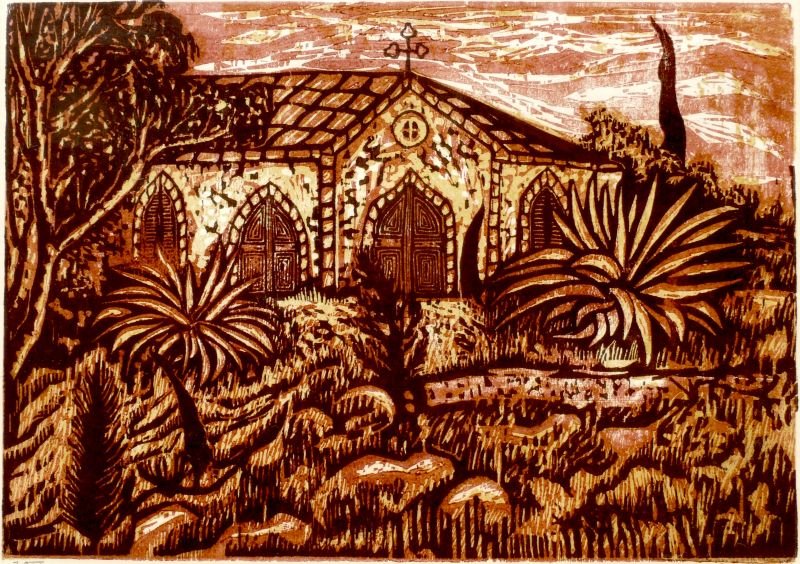
Nicosia welcomes a new exhibition this winter as the Hambis Printmaking Museum presents an important showcase of prints from its collection, offering an overview of the two basic techniques of printmaking – woodcut and etching – in Europe.
With a lengthy and self-explanatory title, ‘The Evolution of Printmaking in Europe from the 16th Century to the Present Day through Works from the Hambis Printmaking Museum Collection’, the exhibition chronicles printmaking history.
Running until April 18, the showcase features works selected based on the variety of periods in which they were created – from the 16th century to the present day – as well as the variety of themes. Emphasis is placed on presenting the different methods of the two techniques.
Taking place as part of Cyprus’ presidency of the council of the EU, the aim of the exhibition is to highlight the creativity and inventiveness of printmakers in relation to painting. With the aim of highlighting the primary and essential role of printmaking in the dissemination of images across all social spectra, the exhibition presents both independent works and book illustrations.
It also offers an overview of European artistic movements, with works by the great names in painting and printmaking, while also presenting the many exchanges in the art world between European countries.
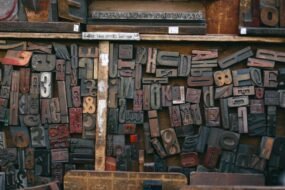
Printmaking appeared in the Western world in the early 15th century and contributed significantly to the dissemination of texts and images. Woodcut, the original form of printmaking, was based on engraved wooden blocks that could be easily printed along with the typographic elements. In this technique, only the raised, unengraved parts of the wood retain the ink and are imprinted on the paper, a process called relief. The ability to reproduce works gave artists the opportunity to disseminate their designs to a wider audience.
From the 15th century onwards, woodcut began to compete with etchings. Engraving on metal plates, mainly copper, allowed for greater precision and detail, as metal is more durable and uniform than wood. In copperplate printmaking, ink is retained in the engraved lines, while the smooth areas are cleaned, a process called intaglio.
Although printmaking made great strides, it never gained the prestige of painting, as it struggles to fully render the nuances of light and colour. However, many important artists were also printmakers, creating original works of high artistic value that brought art closer to the general public.
The Evolution of Printmaking in Europe from the 16th Century to the Present Day through Works from the Hambis Printmaking Museum Collection
Exhibition showcases the two main printmaking techniques; woodcut and etching. Hambis Printmaking Museum, Nicosia. Until April 18. Wednesday-Saturday: 10am-1pm and 3pm-5pm. https://printmaking.cy/