

At-home beauty devices have moved from novelty to mainstream practice. Treatments that once required clinic appointments, specialist supervision, and significant budgets are increasingly being adapted for domestic use. At-home body sculpting devices are now part of that evolution.

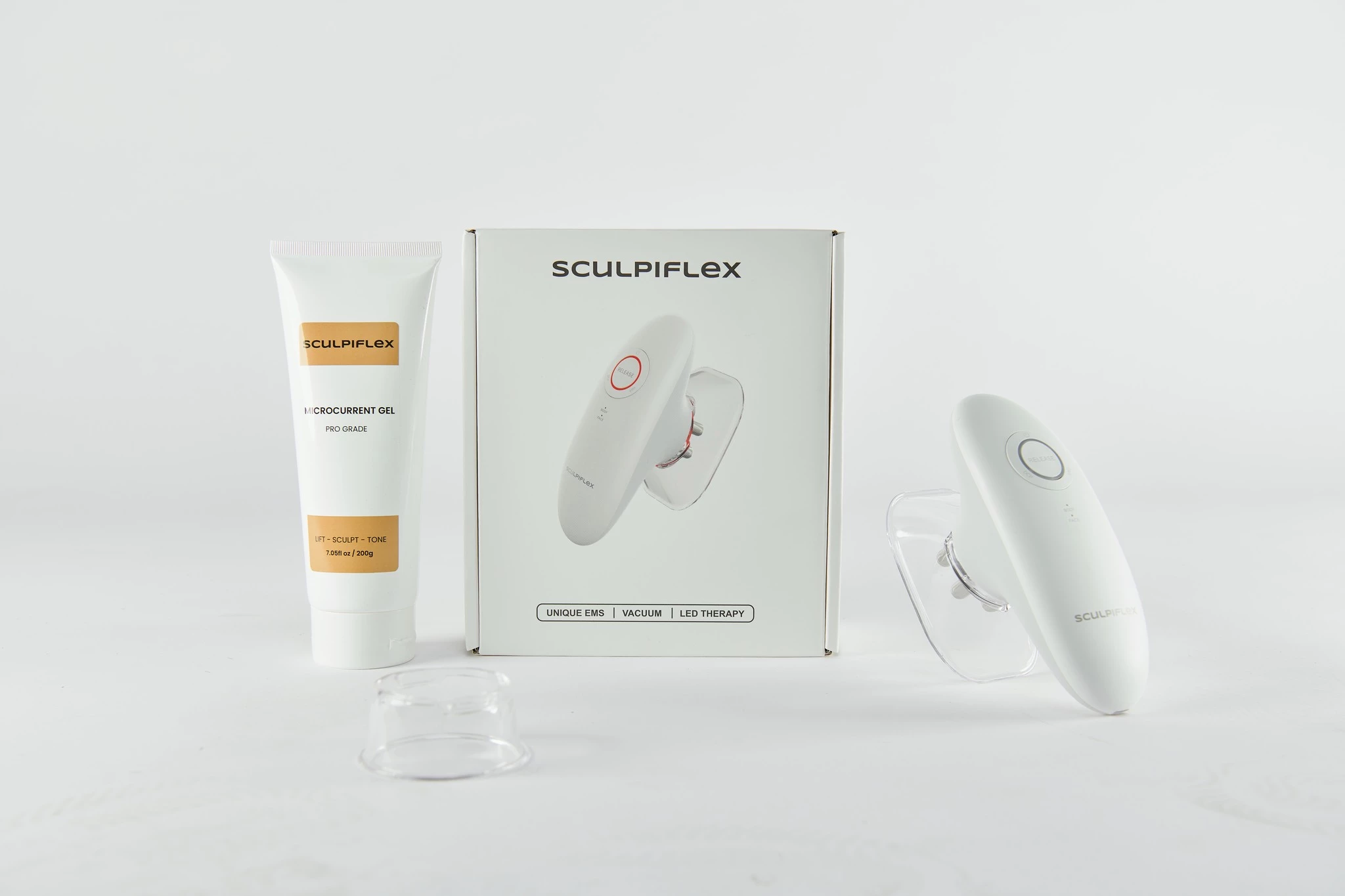
One system entering this space is Sculpiflex, a device that combines microcurrent stimulation, dynamic cupping, and red light therapy into a single ergonomic tool designed for regular home use. The premise is straightforward: translate professional body sculpting techniques into a format that fits everyday routines. Yet, the shift from clinic to home raises a central question. Can non-invasive body sculpting at home approximate the results of professional treatment?
How Microcurrent, Cupping, and Red Light Therapy Work
The technologies incorporated into Sculpiflex are well established. Microcurrent has long been used in aesthetic medicine to stimulate muscles and improve tone. In clinical settings, trained practitioners determine intensity and suitability for each individual. Cupping techniques are commonly associated with circulation and lymphatic stimulation and are often integrated into targeted body treatments. Red light therapy is frequently discussed for its role in supporting skin health and improving overall texture, and it is widely used in dermatology and aesthetic clinics.

By combining microcurrent, cupping, and red light therapy into a single device, the system presents these modalities as complementary elements within a single at-home routine.
From Clinic Appointment to Daily Routine
Devices like Sculpiflex reposition body sculpting from an occasional clinical procedure to a repeatable home practice. Sessions are designed to be short and manageable, making it easier to integrate them into mornings, evenings, or travel schedules. The device is intended for areas such as the abdomen, thighs, and arms, aiming to support firmness, tone, and skin texture with consistent use.
This framing reflects a broader industry emphasis on maintenance. Increasingly, aesthetic care is presented not as a one-time intervention but as an ongoing process. In the context of at-home body contouring, consistency matters more than intensity. Visible changes, if any, depend on regular use, correct technique, and realistic expectations. Technology alone does not guarantee a dramatic transformation.

The rise of non-invasive body sculpting at home also signals a rebalancing of where beauty technologies live. Tools once limited to professional environments are now marketed for personal use. Rather than replacing specialists, these devices occupy a middle ground. They allow us to supplement professional care with structured home routines, offering flexibility and a greater sense of control.
Personalized Routines and Professional Input
To support this shift, Sculpiflex includes a structured step-by-step guide developed with input from skincare specialists. The goal is to provide clients with clear parameters for safe and consistent use, reducing reliance on guesswork. The routines outline recommended session lengths and frequencies while allowing adjustments in intensity and focus based on comfort and individual goals.
This balance between structure and flexibility reflects a common approach in at-home aesthetic technology: the device offers direction, but the responsibility for consistency and safe use remains personal.
Kits, Subscriptions, and Continuity
The Sculpiflex system is offered in tiered kits that include conductive gels essential for microcurrent use. Users can select packages offering 1, 2, or 3 gels per month, with subscription options for automatic refills. The model is designed to support continuity. Automatic refills aim to minimize interruptions and simplify long-term use.
Context Matters
As with any technology adapted from clinical practice, perspective remains essential. In professional settings, microcurrent, cupping, and red light therapy are handled by trained practitioners who assess contraindications, calibrate intensity, and evaluate progress over time.
At-home devices operate within pre-set safety parameters designed for general usability. For many individuals, they function best as part of a broader aesthetic strategy — maintaining results between appointments or supporting long-term consistency. They provide convenience and autonomy, but they do not replace individualized assessment or professional oversight when more complex concerns are involved.
Understood in this light, at-home body sculpting is not a departure from professional care but part of a broader progression in how we approach aesthetics. It reflects a more engaged relationship with one’s body — one that values expertise while embracing personal agency. The future of aesthetic maintenance may not be either clinic or home, but a thoughtful balance between the two.
Читайте також