
[ad_1]
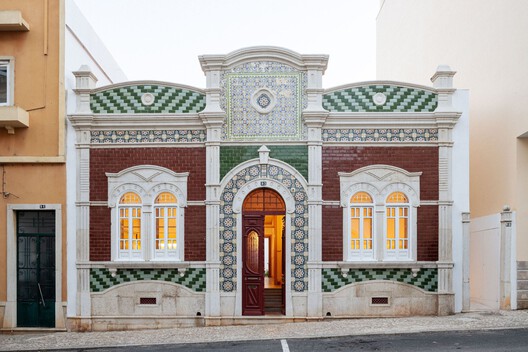
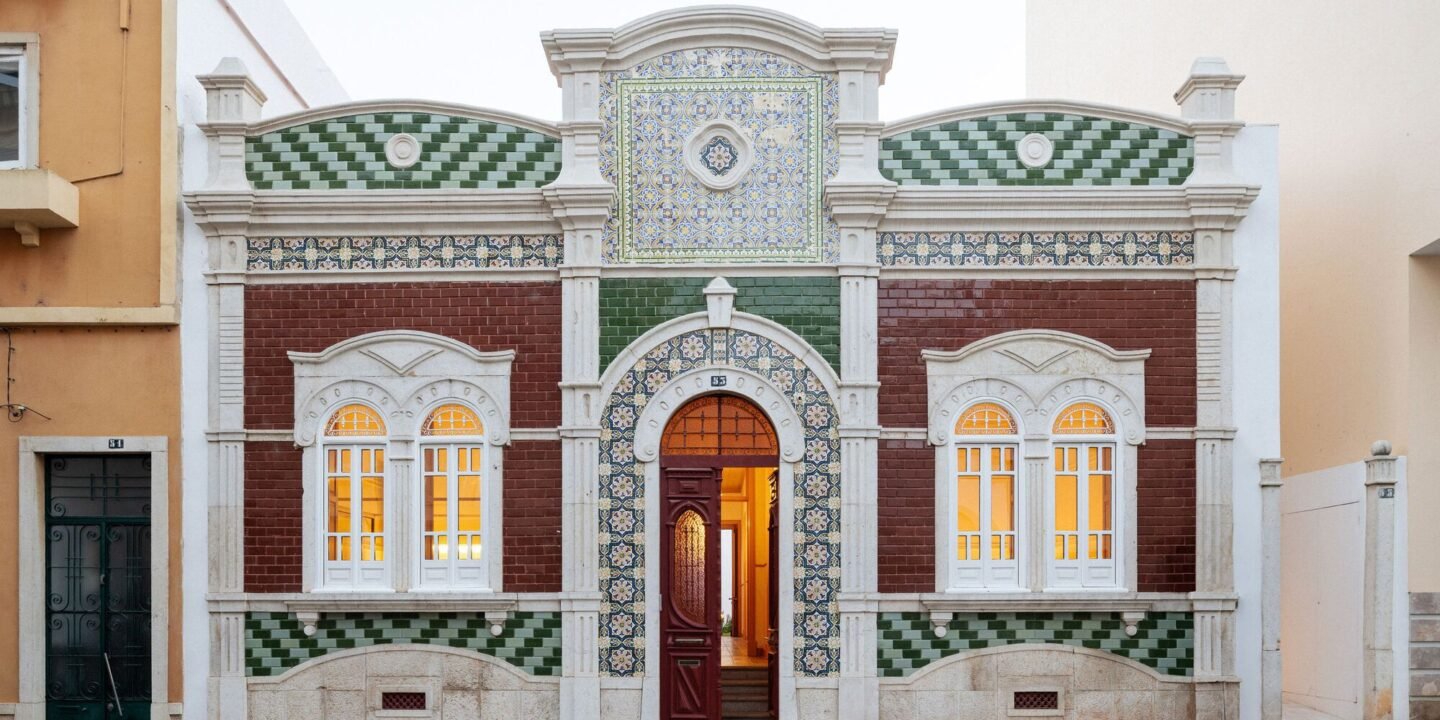
At the turn of the 20th century, parallel, yet connected movements around the world ushered in a new style and architectural era. From the Arts and Crafts in England, Art Nouveau, then Art Deco in France, or the Jugendstil in Germany/Austria, these design and artistic developments spread around the world and took on different forms depending on their context. The basis remained similar, though, with a focus on artisanal value and craftsmanship; the use of wood, glass, and various metals; the integration of organic forms into the exterior facade and interior structure; and the refined incorporation of ornamentation as an architectural element, often as vegetation or geometric patterns.
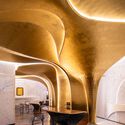

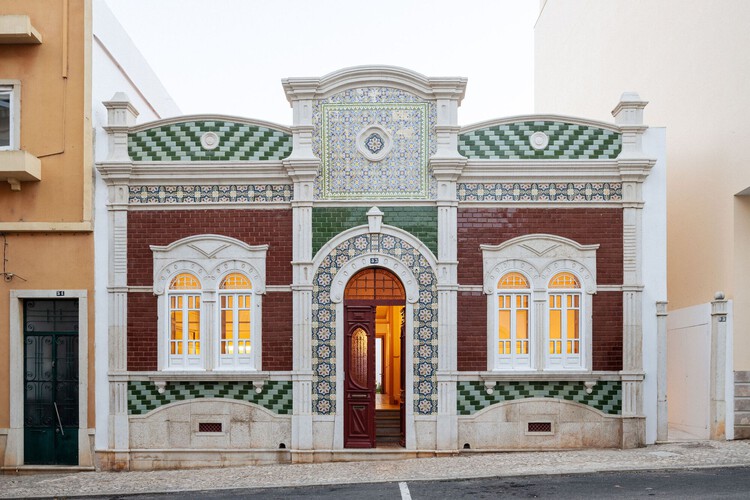
While the above-mentioned styles eventually made way to other movements that flourished in the 20th century, they’ve regularly resurfaced in more contemporary interpretations, particularly in commercial and hospitality settings. Art Nouveau’s elegant ornamentation and attention to detail can be seen in many hotels and restaurants, offering a dose of opulence and visual engagement to visitors, but with new additions. Some might be adaptive reuse or renovation works of original projects, in which the architects take care to highlight the unique historic building details. In other cases, furniture and lighting fixtures are either collected as antiques or built to resemble the Art Nouveau and Deco styles.

[ad_2]
Source link