
[ad_1]
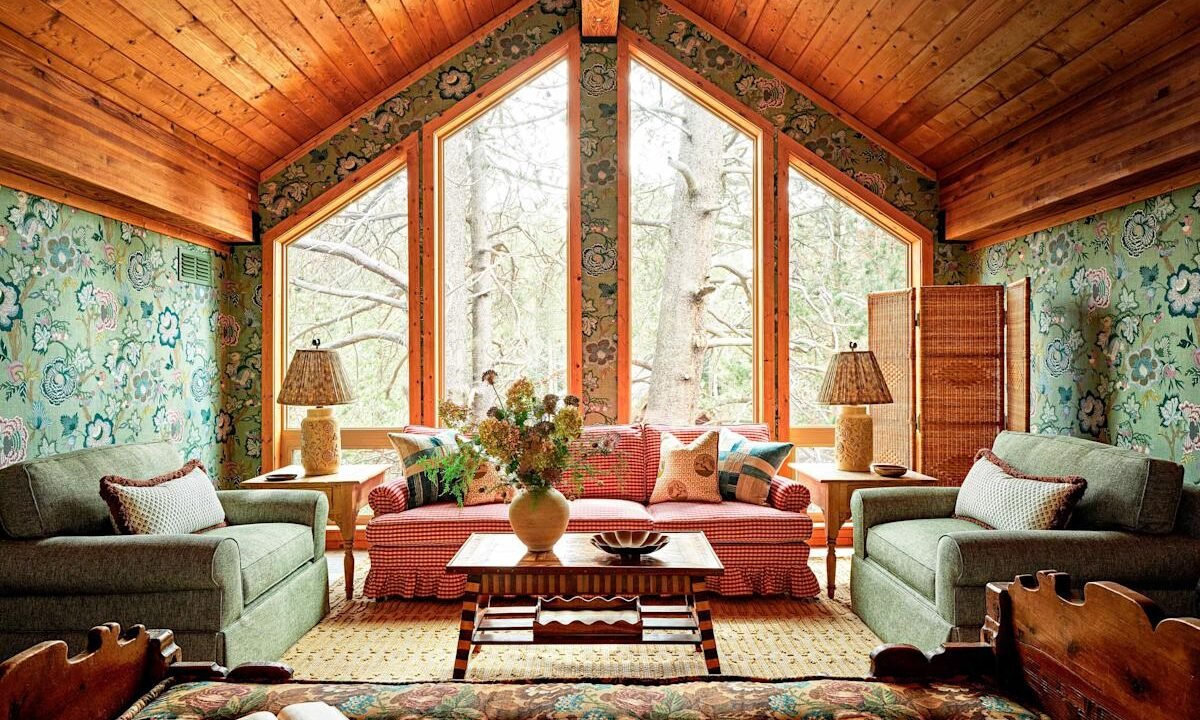
The Arts and Crafts movement began just a few decades after the end of the Industrial Revolution, and it was characterized by a renaissance of quality craftsmanship and the use of natural materials. Today, you’ll find original traces of this era in beautiful wood built-ins, turned spindles, floral wallpaper, and well-made furniture that showcases simple lines.
Industry professionals are noticing that people are once again seeking out these features, and Auctionet design specialist Andreas Siesing is one of them. If the original Arts and Crafts movement was a protest against the mass production of factory-made items, he believes its modern revival is a response to the mass production of AI-generated content.
“I believe it is precisely this unadulterated craftsmanship that is being sought today,” he says. “There is a clear longing for something beyond the pared-down aesthetics that have dominated for so long. Especially now, in the age of AI, there is a renewed desire for what can be described as authentic and genuine.”
Advertisement
Advertisement
Read on to learn more about the modern take on this historic design movement and practical tips for infusing more of its warmth and authenticity into your home.
Meet the Experts
-
Andreas Siesing is a design specialist with the auction platform Auctionet, which includes more than 80 auction houses.
-
Nicole Spurlock is a designer based in Amarillo, TX, who specializes in interiors with an old-world flair.
-
Marc Jambert is the cofounder and studio principal of MAREDI Design. This boutique design studio has locations in both Chicago and the Loire Valley, France.
The History of the Arts and Crafts Movement
The arts and crafts movement occurred roughly between the late 1860s and the early 1920s, and put simply, was a protest against industrialization. Society once again began to value items and decorative details made by human hands rather than those mass-produced by machines.
Part of the movement included a return to natural materials, like wood and stone. But rather than the showy designs of the Victorian era, this style emphasized clean lines and solid construction.
According to Siesing, the design pendulum began to swing back in favor of mass production about six decades later. “Although emerging modernism—with artists increasingly working in industry—gradually took precedence, certain craft practitioners rooted in the Arts and Crafts tradition retained their relevance well into the 1920s,” he explains.

Credit: Josh Grubbs
The Modern Revival
According to Siesing, Auctionet and its 80 auction houses have been noticing a surge in demand for Arts and Crafts-style pieces. Along with the similar Art Nouveau movement, it’s the most sought-after style on their site by considerable margins.
Advertisement
Advertisement
Designer Marc Jambert of MAREDI Design has also noticed clients leaning more into the historic Arts and Crafts movement, but with a modern twist. “We find that the current gravitation to the Arts and Crafts movement is not entirely with the goal to reproduce the original aesthetic of the time, but really with the intention to reinterpret these elements,” he says. “There is a sense of wanting more practical solutions and looking for less fragility.”

Credit: Stacy Zarin Goldberg
Design Tips for a Modern Arts and Craft Movement
There are subtle ways to incorporate the Arts and Crafts movement into your home without committing to a full-on period-style. There are obvious parallels between the original and modern takes on the design movement, and here’s how to apply the core principles in a contemporary way.
Combine Natural and Handmade with Industry-Standard Materials
Fully rejecting all mass-produced building materials isn’t a realistic goal in today’s world. But according to designer Nicole Spurlock, thoughtfully mixing handcrafted and repurposed finds with new industry-standard building materials makes all the difference.
She notes that the same goes for opting for natural materials when you can. “There isn’t a way around building codes and energy efficiency demands,” says Spurlock. “So I don’t foresee the modern movement being a rejection of all machine or mass-produced materials. However, when budgets allow, we are seeing a rejection of certain materials such as quartz, MDF, and various plastics. Much like the public’s awareness of ‘fast fashion’ and that cheaper isn’t always better, consumers are embracing materials of the earth applied by hand.”
Balance Cozy and Dark with Open and Airy
If modern interiors tend to lean too open, basic, and bright, Arts and Crafts interiors can easily feel too dark, cluttered, and closed off. Jambert says the key to nailing the modern take on the movement is to seek a balance between the two.
Advertisement
Advertisement
“Generally speaking, the Arts and Crafts movement created a slightly more moody aesthetic and perhaps implied smaller, boxier spaces,” he says. “The original spaces of the time were quite layered, maybe even too much, compared to modern times. Today’s clients want handcrafted details reminiscent of the period, but they also desire more natural light, lighter shades of wood, and larger spaces with an optimized floor plan to move around.”
Preserve Original Character or Add It In
If you live in a historic home built during the Arts and Crafts era, both Jambert and Spurlock agree that you should preserve and decorate around original features such as wood trim and stained glass. But if your home lacks these features, you can add them in through architectural details, finishes, and furniture. This could look like commissioning a set of wood-built-ins or applying period-appropriate wallpaper.
Jambert says hunting for handmade furniture from the Arts and Crafts era is especially worth the effort. Look for solid-wood pieces with clean lines and signs of thoughtful construction, such as dovetail joinery. “One easy way to create an ode to the Arts and Crafts movement is certainly incorporating handcrafted carpentry and millwork,” Jambert says. “There is nothing as beautiful as these types of pieces that look like they have always belonged in a home.”
Read the original article on Better Homes & Gardens
[ad_2]
Source link