[ad_1]
History Thriller about Art, Good and Evil
In mid-March 2026, at the annual TEFAF Maastricht art fair of the best fine art on the market, a very meaningful acquisition of the great work by the fantastically talented pupil of Rembrandt was made by the superb The Leiden Collection.
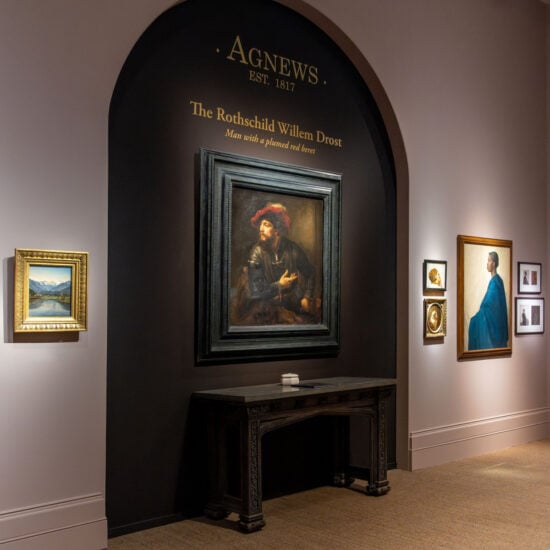
As it happens in art, behind one painting , in a far-reaching panorama of history, people, choices and deeds, a dizzy historical thriller had been happening before, during and after the Second World War.
Part I
Historical Art Thriller: 1936 – 2026
Linz First-Hand
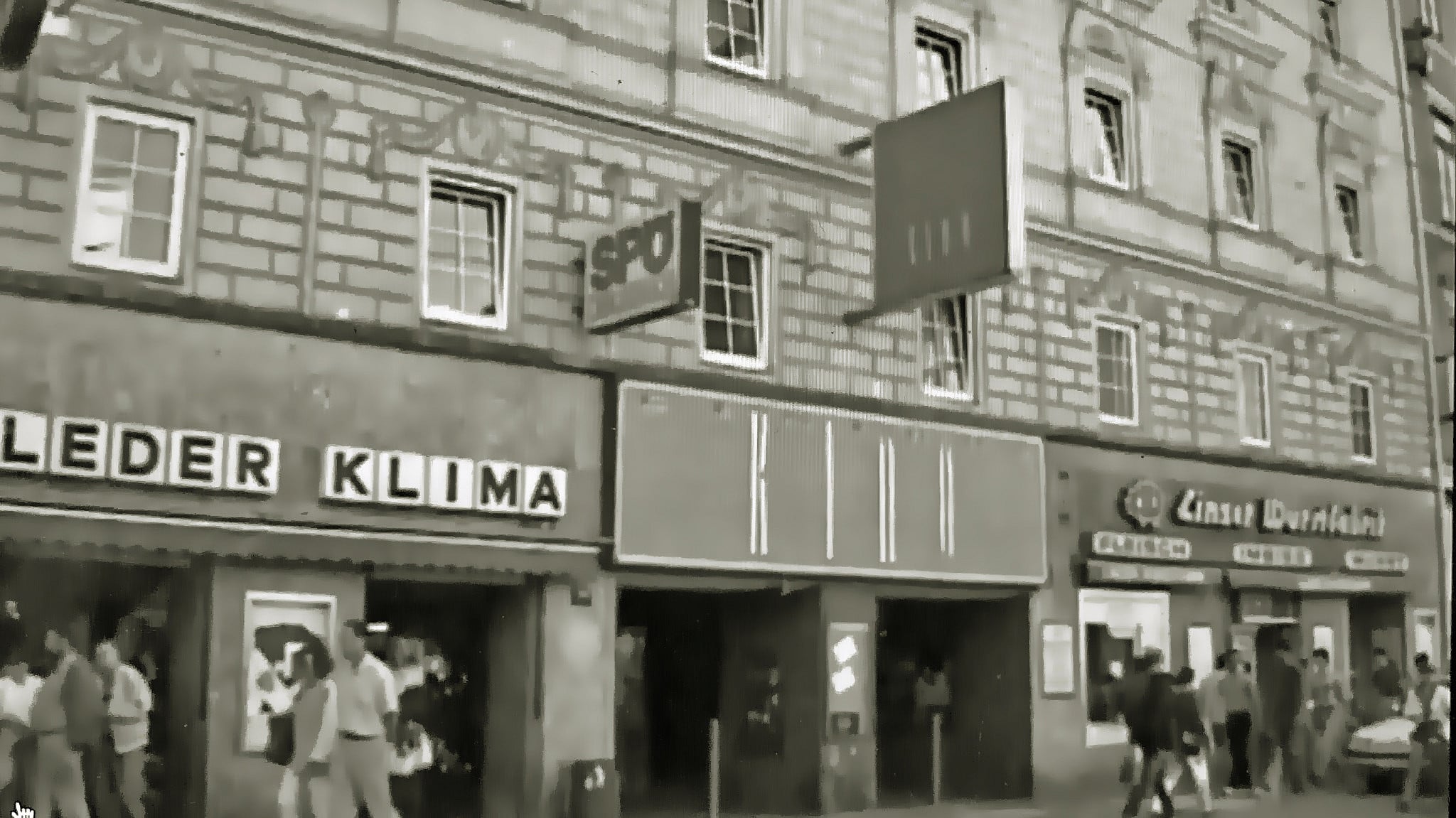
I got acquainted with Linz a long time ago, over 30 years or so. Not with Linz as a capital of Upper Austria, with its enchanting Danube views and famous Bruckner Music Hall, but as a Hitler-place, both literally and metaphorically.
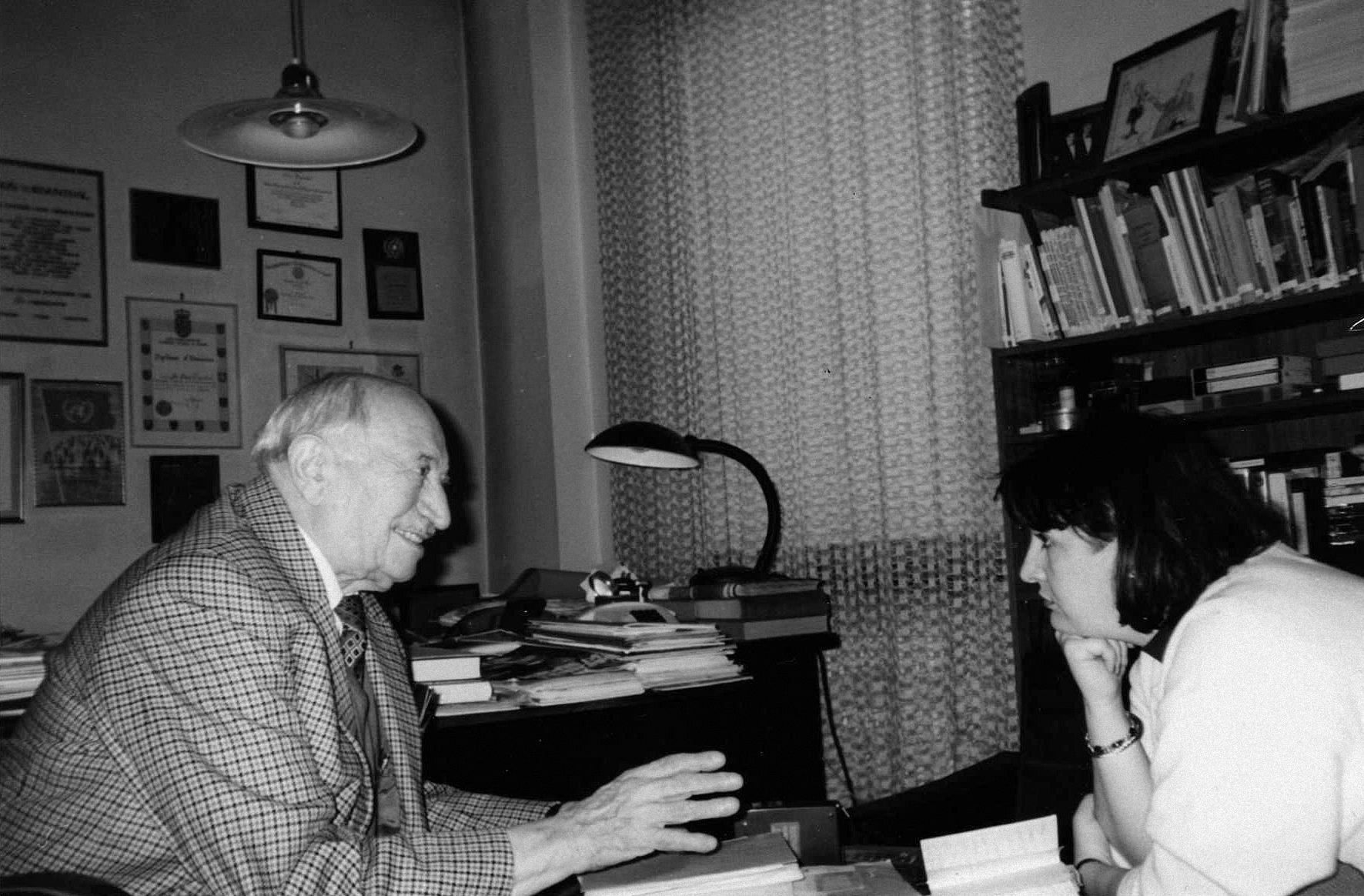
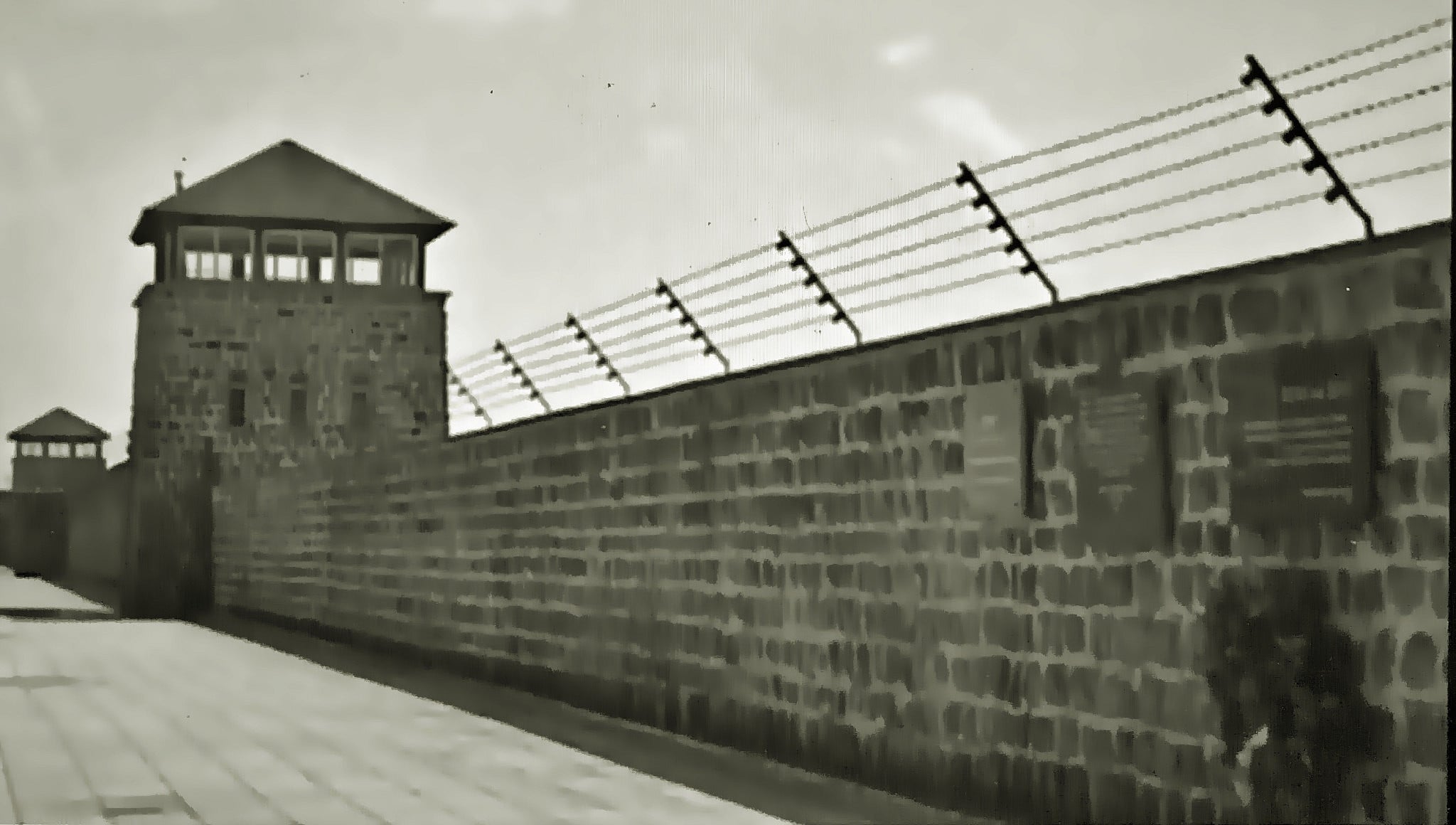
My dear friend and senior colleague Simon Wiesenthal had told and shown me many things about Linz, practically at every meeting which had been happening for many years quite regularly and often. From Simon’s perspective, as from the perspective of any of the survivors of Mauthausen, which were a half of the prisoners of that infamous ‘extermination camp by labour’ as it was designated by the Nazis, Linz was an ever-present menace.
To see it for myself, I went to Linz many times, researched and filmed there. Every time, the impression was surreal, born by the contrast between an idyllic landscape and the terrible history.
Half a century after the end of the Second World War, Simon Wiesenthal was still emotional when he spoke about the places connected and being important for both Eichmann and Hitler.
“It Was All for the Hitler’s Museum in Linz”
Many times in our conversations Simon Wiesenthal came to that Hitler’s obsession with the idea for the Fuhrermuseum, that he planned to build in Linz namely.
There is no surprise in this for those who knew Wiesenthal well. He was a diploma-architect who drew well and did it a lot. It was his prism to see the world before WWII. When the disaster struck, and Simon went through ten concentration and extermination camps, it was his ability to draw that saved him.
Exactly as it happened with Primo Levy who did survive thanks to the portion of a soup which has been brought to him by the person who was able to do it in the camp during the period of a half of a year, Wiesenthal also survived thanks to the extra portion of a soup that he received for his drawings made in the camp on the Nazis’ request.
Immediately after the liberation of Mauthausen Simon also made the other kind of drawings, which are a screaming first-hand real-time testimony of the very nature of the Nazism in a perception of the victim who is also an artist.
Many people have been surprised over the years that after the end of the war, Wiesenthal did not re-start his architect practice. He just could not get himself involved in the art world and profession as if nothing ever happened, he told me. I understood him completely.
But he always was very keen on art, and always approached it professionally. He also did follow the screaming crimes of the Nazi looted art at the time when very rare people and institutions did. He was always fighting that Hitler’s concept of the giant museum in Linz. “It was a massive robbery of the entire Europe. Do you understand?” – Simon exclaimed. It was, indeed. Both in planning and in actions by the Nazis.
Art as a Hostage
The Second World War, and the path of the world preceding it was a massive momentum resulting with tectonic changes in all spheres of life, from geography to psychology.
AI or not, or with AI that will use it as its corroborate, nothing beats real-time documents, photo or film, for understanding human behavior and to analyze what is behind it. Until the world had not seen unbearable footage from the extermination camps, all stories about the nightmare of the Shoah were perceived as stories with more or less credibility. Such is a mechanism of human psychological self-defense in our perception. But when the world saw the chilling footage from the extermination and other camps, it learned momentarily what the Holocaust was about.
The same is with human behavioral imprints documented in photos and films episodes of WWII regarding personalities. In the case of Hitler, historians have a super-rich first-source material on that provided by his self-imposed cult, enthusiastically supported by his clique. Going through this historical evidence, one gets amazed on Hitler’s fixation with his Fuhrermuseum in Linz, against all odds, not only in the beginning of his idea in 1936 but also in 1945, days before his demise and crushing losing the war.
Interestingly enough, the worse that situation was, the more Hitler seemed to be attached to his beloved project of the museum and the huge memorial complex that he planned obsessively for Linz.
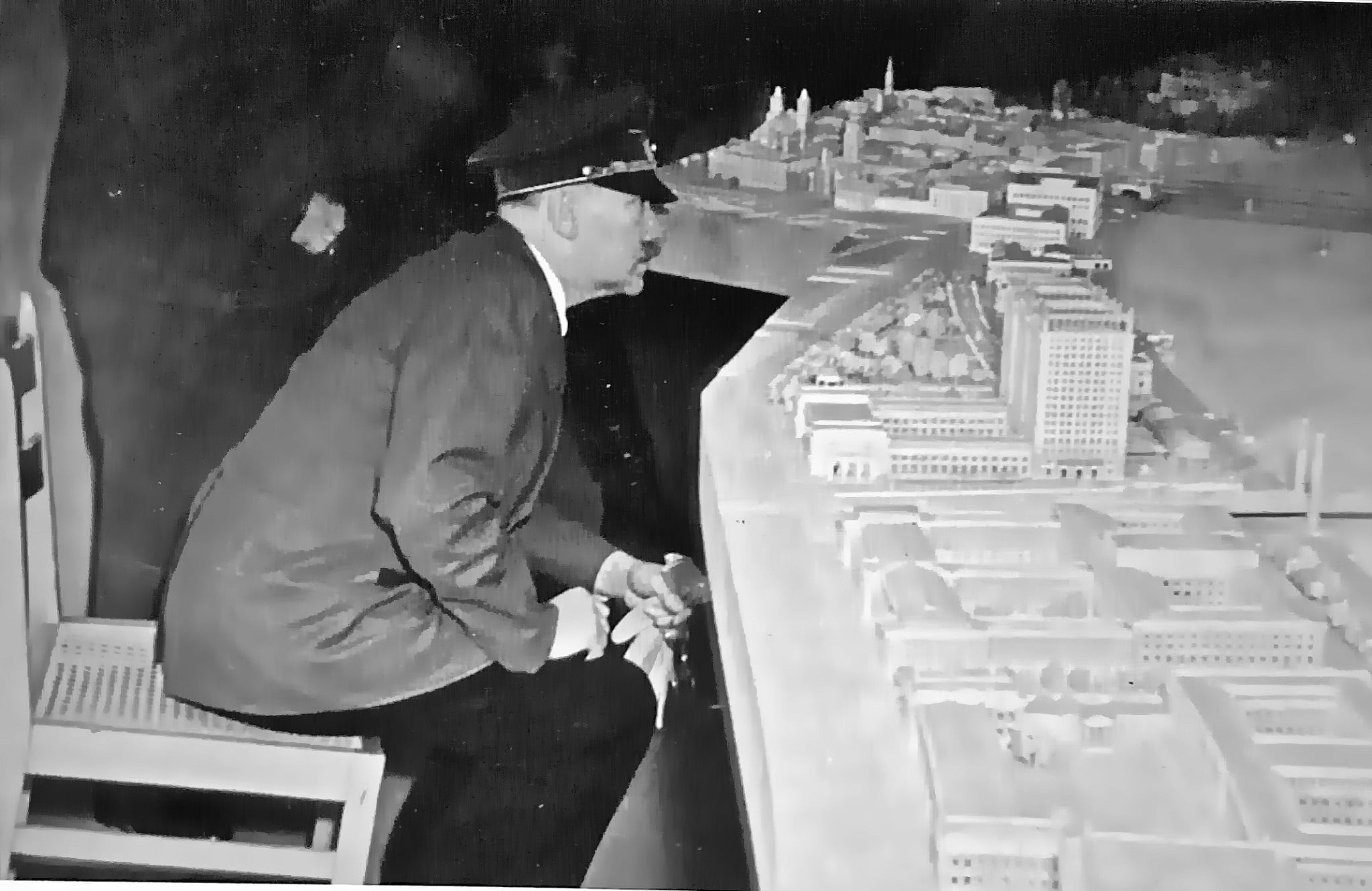
That corporal and miserably untalented wanna-be artist aimed to prove all his life. That was his modus vivendi. His case in clinical psychology shows clearly that absence of talent can become a drive to the most hideous crimes.
Among the other Nazis who, following their boss’ interest for art, to show their belonging, but also to use the opportunities , was notorious art-thief Göring, and some others. Göring was a bit more complicated character than his boss, an abnormal mixture of some intellect with most vulgar behavioral threads. In the case of art, he was just an endlessly greedy and arrogant thief who set up the system of pan-European active art-robbery process that was systematically going on for years.
It was that thief who forcibly grabbed Willem Dorst’s painting from the Rothschilds in Paris, mistakenly taking it for Rembrandt. And it was in that status that a gorgeous painting had been hidden at the massive hideout of the Nazi looted art in the Alt Aussee salt mine in Austria.
The Nazis who had become a professional art looters, got an idea to use such premises as salt mines as the storages of the looted treasures of world culture, calculating on remote positioning of the mines, a complicated routes inside them where it was easy to hide the crates, and a very stable microclimate which was an important factor.
What is interesting is that the Nazis started to move the looted art to the salt mines and other safe and remote places from February 1944, understanding and even knowing that they were losing the war. According to many documented testimonies, they did hope to conclude a separate peace agreement with the USA and UK, in which case the looted art might also become a useful tool, in their calculations. That’s why such highly demanding operations of moving the looted art to logistically difficult places as Austrian salt mines were a priority by the Third Reich bosses. In this far-reaching process, art became a hostage.
Beauty and the Nazis
On May 8th, 1945, on the very day that would stay in our memory for good as the day of the end of the Second World War, a group from the special unit of the US Army known as The Monuments Men entered the Alt Aussee salt mine in Austria. The world knows about The Monuments Men largely because of the Hollywood blockbuster of 2014. Before that, the story of that truly special army unit was not in the focus of a wide public interest. Perhaps, the reason for that was a genuine incompatibility in people’s mind of matters of culture in the midst and after the colossal war.
In fact, the history of The Monuments Men is unique and important. Nowadays, largely thanks to many years of efforts of The Monuments Men and Women Foundation and its founder Robert M. Edsel this amazing part of the Second World War and its legacy has become known reasonably well. There are also several art historians, both American and European, who have been working on the fascinating topic intensely.
In my own work and research, I went through an unbelievable journey of one of the thousands looted artworks by the Nazis, a small Tiepolo that had once belonged to the famous Jewish French art dealer Paul Rosenberg, and which went missing for 50 years before resurfacing in Finland. During my investigative project, I went across all the names that were active in the stealing and hiding of the great Dorst work that they forcibly confiscated from the Rothschilds at the same time and place, in Paris, in the summer of 1940.
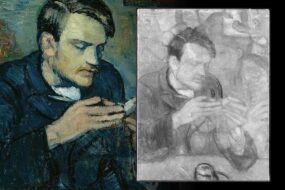
In the case of Willem Drost’s Man in the Red Plumed Beret, the work has been picked up by Göring personally. As it was believed to be Rembrandt, it was a special pick-up for the Fuhrermuseum.
As it is known, the depositary of the Nazi looted art stored in Alt Aussee mine alone listed 6 547 treasures of world art, including Michelangelo, van Eyck, Vermeer and Rembrandt.
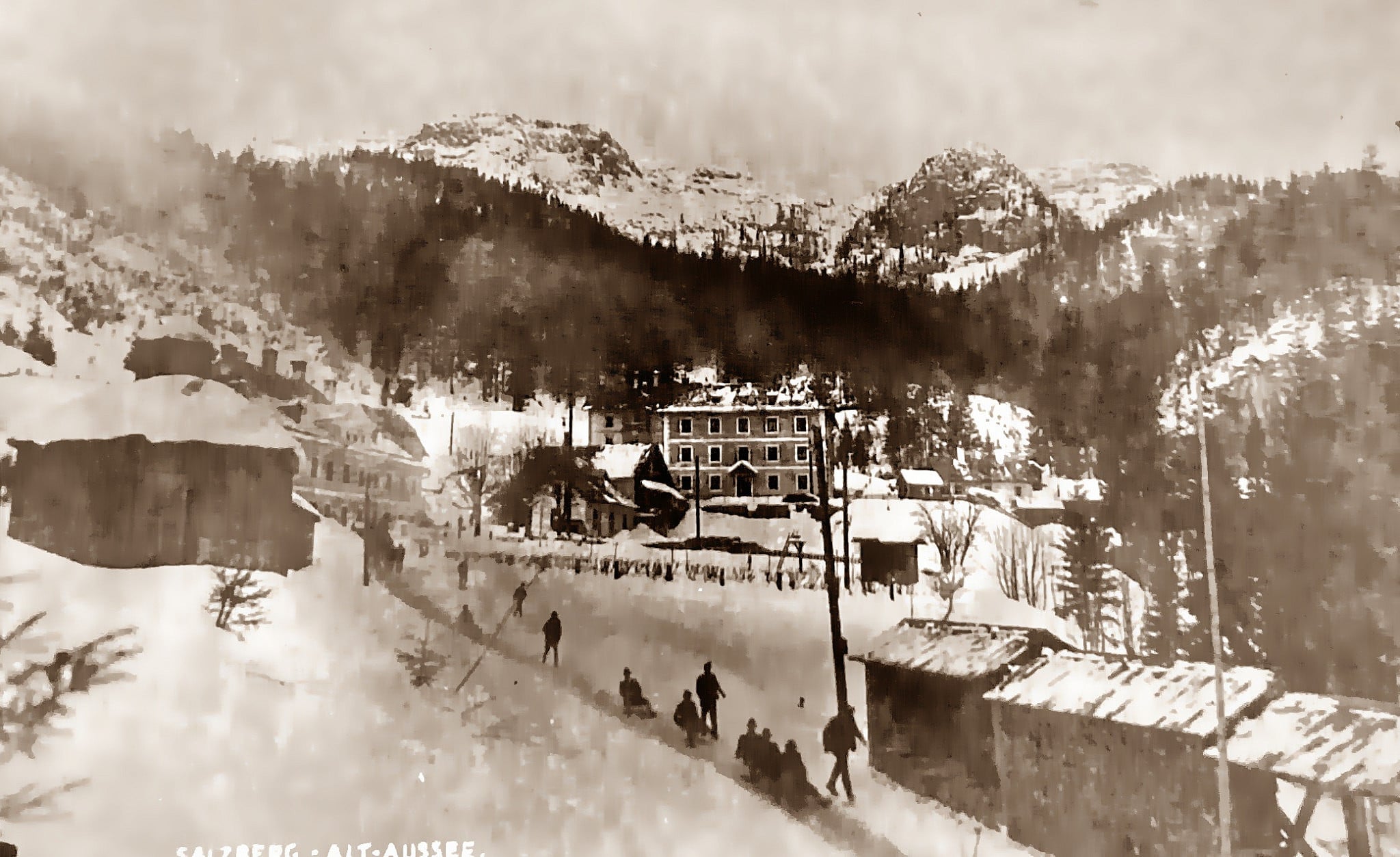
That essential part of world culture was about to be blown up by the mad decree of the Alt Aussee mine crazy Nazi Gauleiter. The disaster was prevented at the last minute, by divertive blows at the harmless places. Several people, led by the Austrian engineer Max Eder, did avert the disaster.
Discovery at the Alt Aussee Salt Mine
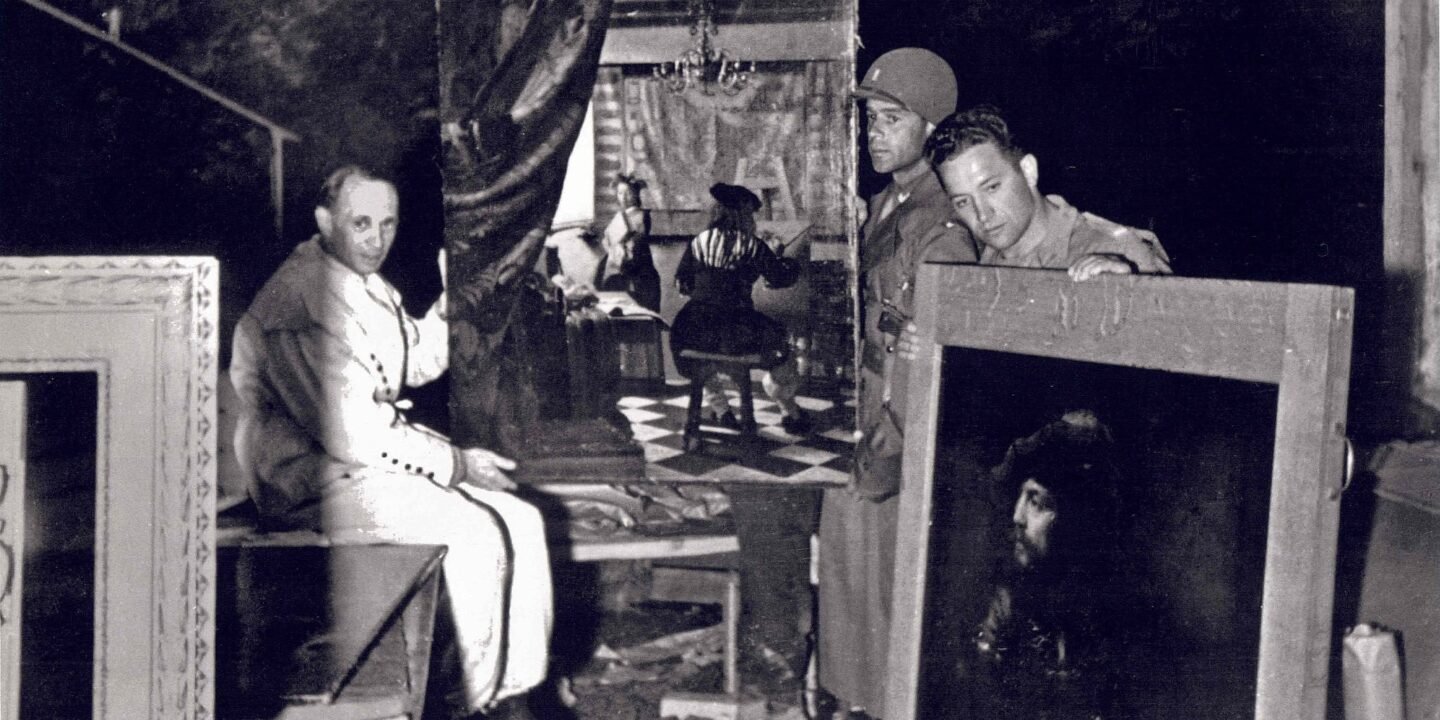
Working their way through the Alt Aussee mine’s labyrinths, a bit over a week of a non-stop art recovery mission, on May 16th, 1945, the members of The Monuments Men unit discovered a superb treasures, The Art of Painting by Vermeer and the Man with a Plumed Red Beret which was at the time believed to be the work of Rembrandt. As a matter of fact, that understanding continued to be the case for quite a long time after the war.
In the historic photo, next to the engineer Max Eder, the Vermeer’s and Dorst paintings are carefully recovered by two members of The Monuments Men.
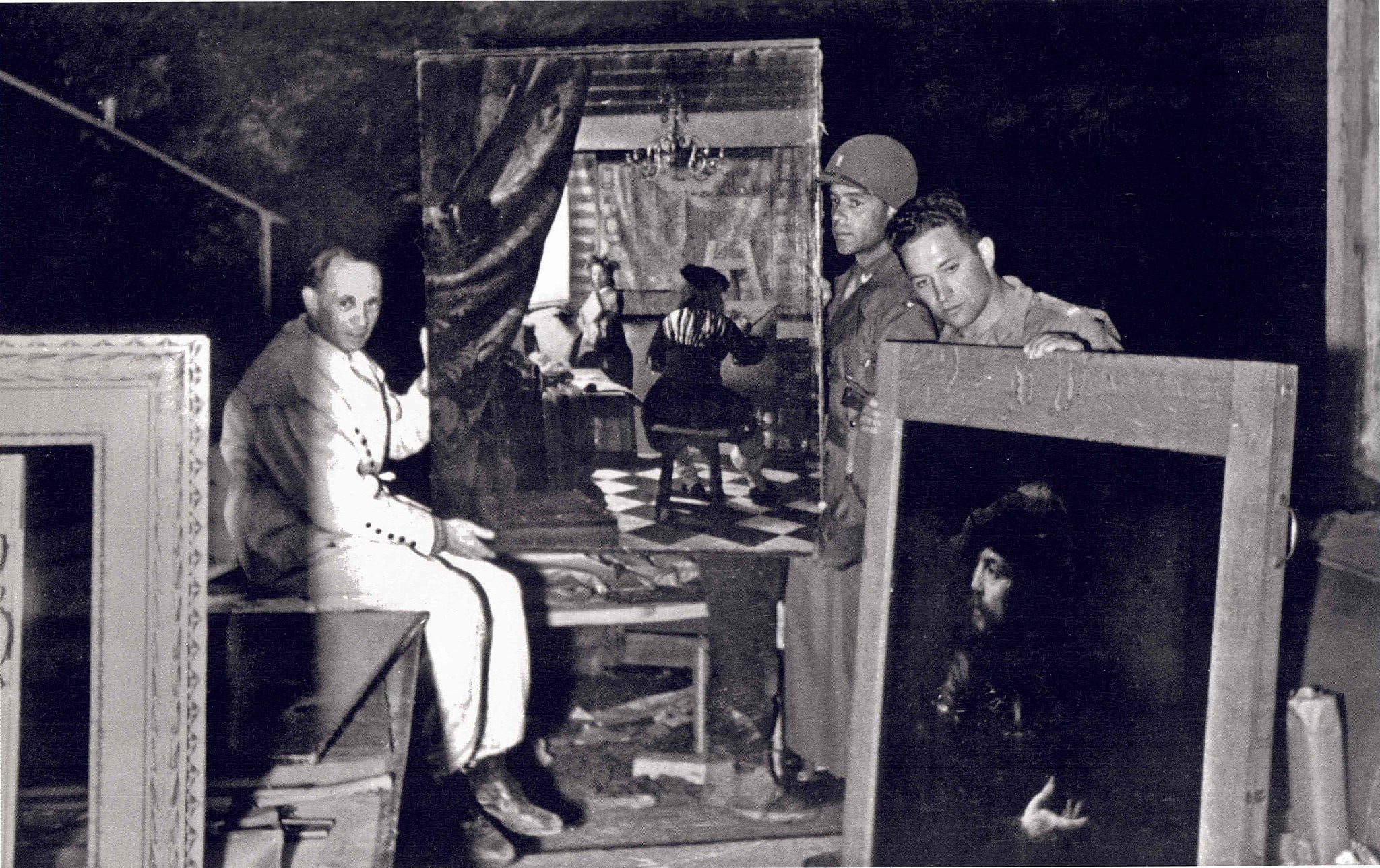
I examined the photo together with Dr Anna Bottinelli, the art historian and the President of the Monuments Men and Women Foundation. Dr Bottinelli has told me that those two US soldiers in the historic photograph were 2nd Lt. Frederick Shrady, the one who is supporting Vermeer, and 1st Lt. Stephen Kovalyak who looks at Drost’s work.
As it happened, Frederick Shrady was a notable artist since before WWII. He came to live and work in Paris in the beginning of the 1930s, where mentor was Andre Derain himself. After the war, Shrady became a well-known sculptor, especially in religious art.
Stephen Kovalyak did come from a family of Czech origin, and was highly appreciated by his very valuable service while in The Monument Men unit. He was chosen by his commanders to be engaged in the most important of their missions.
History always speaks via concrete people and their concrete choices and deeds, never via abstractions.
After discovering and rescuing the Dorst painting alongside The Art of Painting by Vermeer, the work has been transported to the special point, known as the Munich Collecting Point for re-discovered Nazi looted art. The works were the part of the first special transport from the Alt Aussee salt mine, given the importance of it. Very soon the painting was returned to the Rothschild family in Paris, already in September 1945, which was super-quick given the circumstances of the post-war chaos.
The great work was with the Rothschild family for 50 more years, until it was sold at Sotheby’s in 1997 to another important art collector, baron Edmond Safra’s family. This is from their collection Dr. Thomas S. Kaplan acquired the work for his unique The Leiden Collection at the Maastricht TEFAF Art Fair in the middle of March 2026.
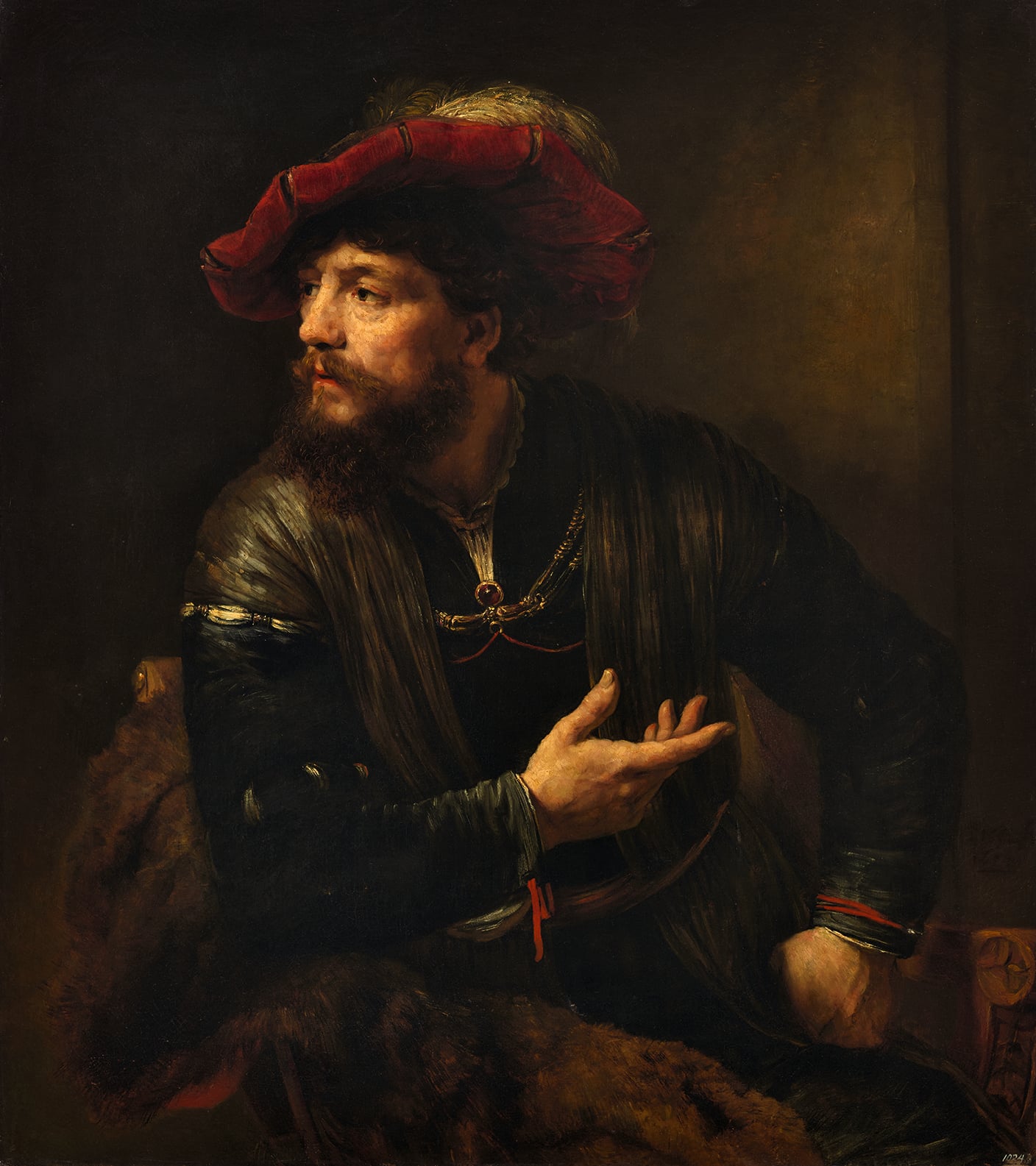
My exclusive conversation with Dr Kaplan and the senior art adviser of The Leiden Collection Dr Arthur K. Wheelock Jr. about this extremely rare and historical acquisition comes as the Part II of this essay.
March – May 2026
[ad_2]
Source link