
The essence of Christmas lies in a relationship with the Christ Child.
After the Thanksgiving rush subsides, as the cold air settles outside and the fire glows within the hearth, I observe a shift from Thanksgiving’s abundance to Advent’s simplicity. This transition presents a challenge for many American Catholics, as the desire to begin the Christmas season often contrasts with the Church’s invitation to a quieter and more reflective period.
In a society shaped by instant gratification, the significance of Advent’s waiting is often overlooked. Intentional preparation and expectant hope are central to the season, offering a distinct perspective within the liturgical year that fosters both wonder and anticipation.
As the Church calendar begins anew, we are invited to create space in our hearts and homes; space, the key word, suggesting an absence. The journey of simplicity that the Church invites the faithful to undertake is one marked by longing. The expectation of Advent is distinct from the worldly anticipation of Christmas, as Catholics’ longing is not for something but for someone.
The essence of Christmas lies in a relationship with the Christ Child. Advent serves as a meaningful period of preparation, like the anticipation experienced before marriage or during pregnancy. These periods of waiting and longing for significant individuals in our lives help prepare our hearts to be more receptive to new relationships.
Without active participation in Advent, the rich spirituality inherent in this liturgical season is often diminished within our homes. I have consistently encouraged the sharing of Advent traditions rather than hastening into the Christmas season, not out of scrupulosity but from a commitment to observance. The tendency to bypass Advent frequently stems from nostalgia, which, although not inherently negative, is ultimately fleeting.
On Dec. 26, societal attention rapidly shifts to the next commercial holiday, prompting many Catholic households to follow suit. By intentionally observing this period of waiting, we extend the celebration of Christmas by aligning our domestic churches with the practices of the Mother Church. This approach enhances the joy of the season and grounds it in authentic relationship. We move from consumption to contemplation, transforming nostalgia into beholding.

Although modern society has largely set aside Advent traditions, the culture within our homes fortunately remains adaptable and open to new practices.
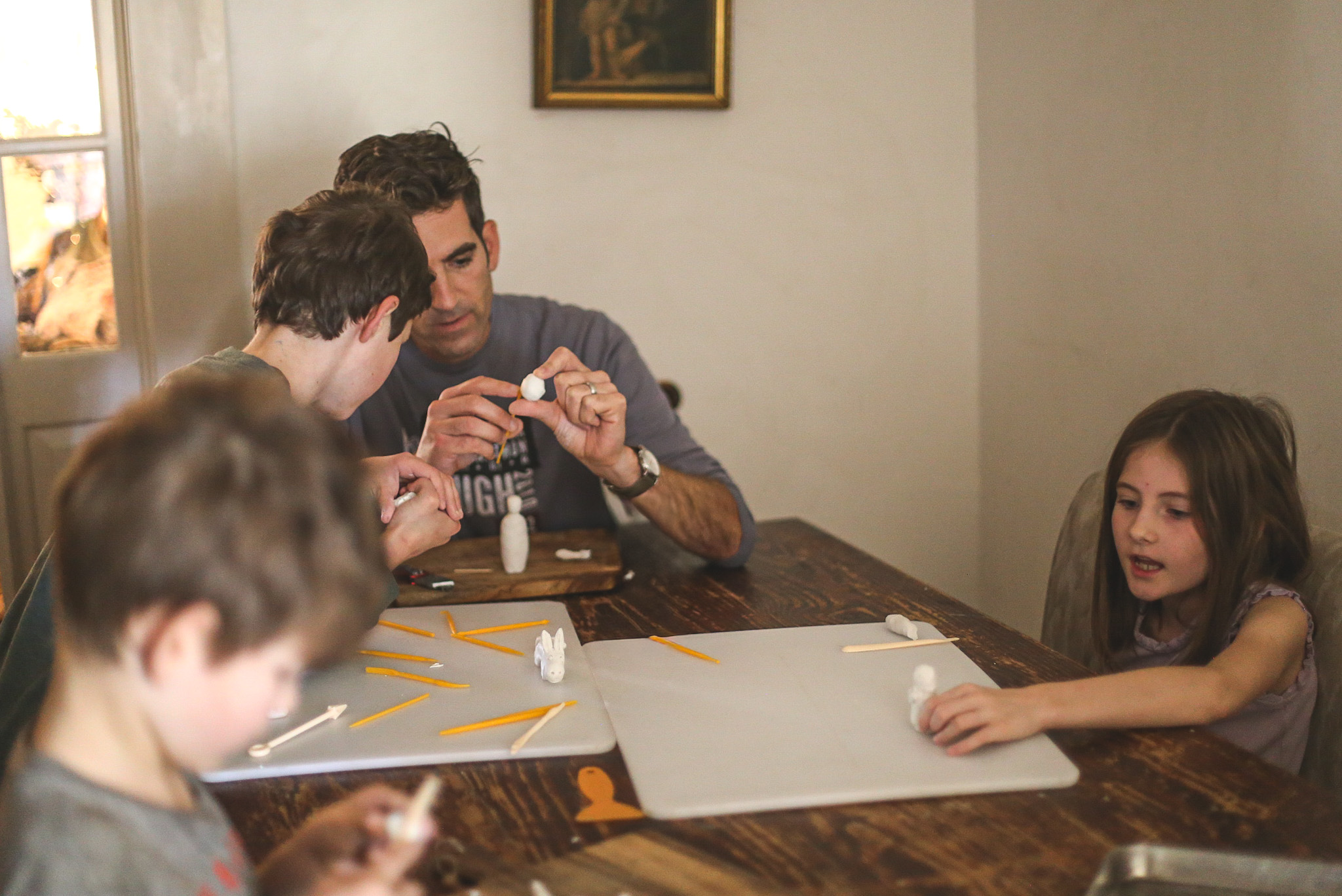
One meaningful tradition that bridges Advent and Christmas is molding a Nativity scene using oven-baked clay and displaying it at the center of the table. This activity can be undertaken individually, as a family, or with friends.
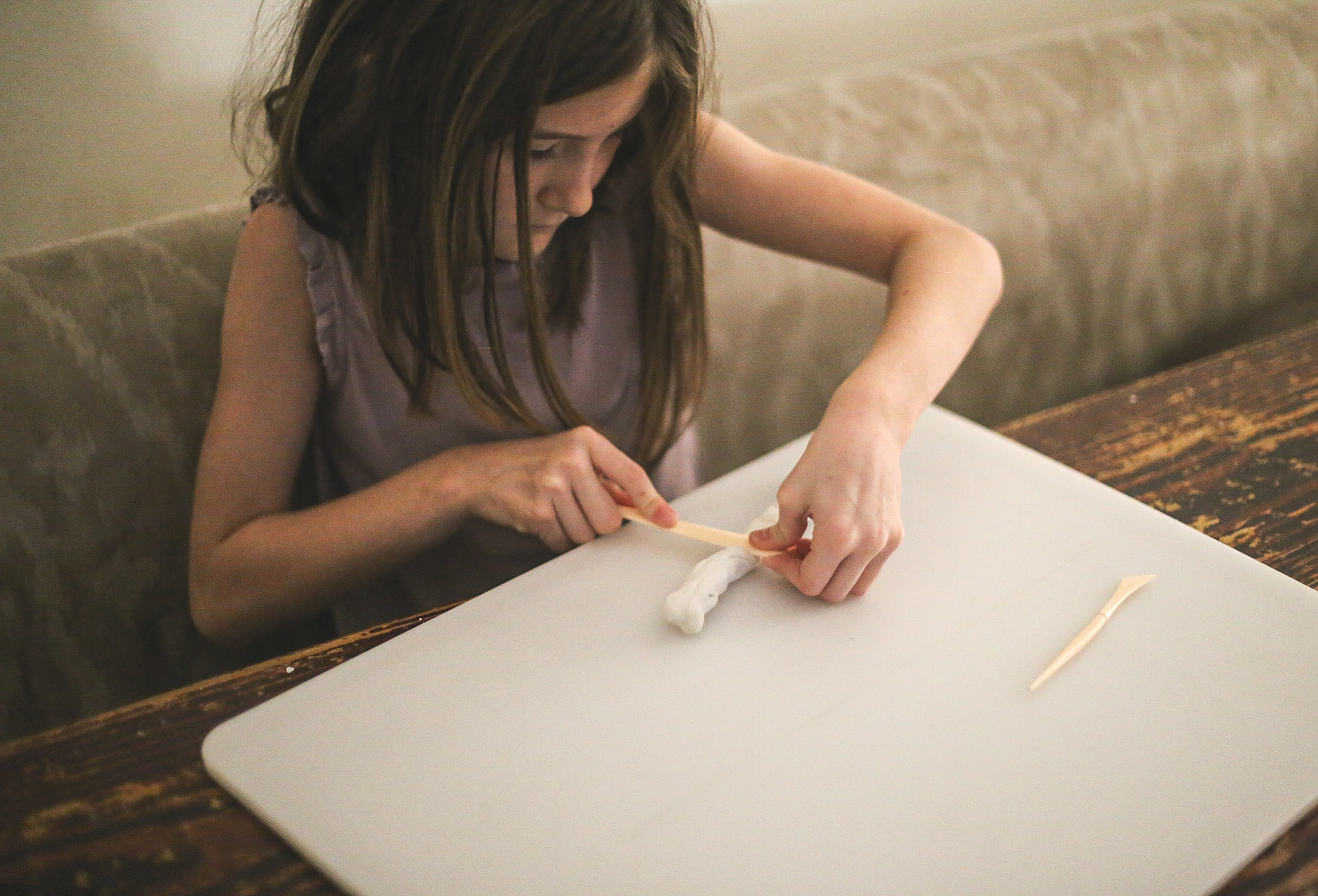
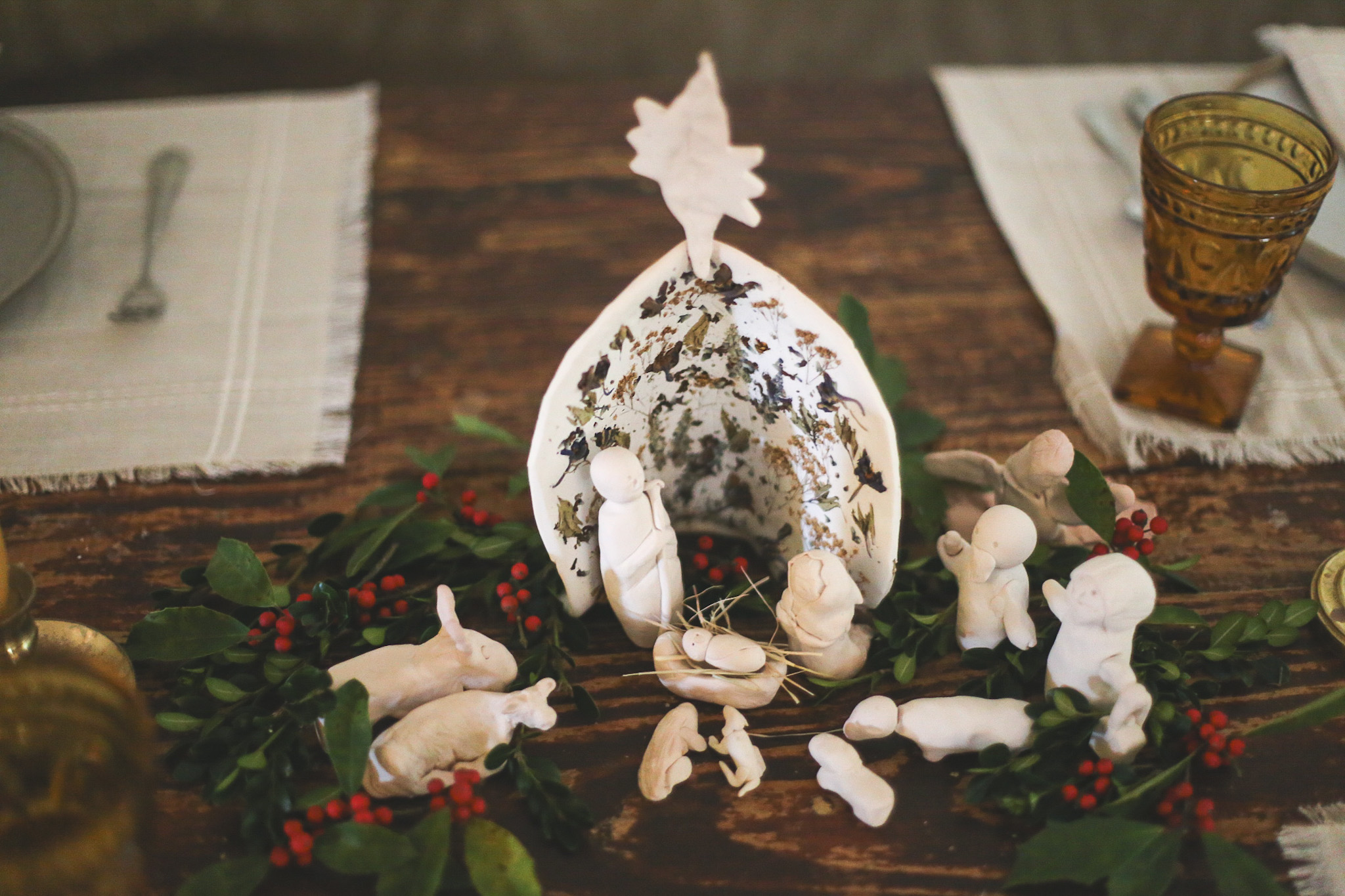
Two pounds of polymer clay provided ample material for my family to create a complete Nativity scene, including a manger holding the Christ Child, the Blessed Virgin Mary and St. Joseph and a backdrop with an angel, animals, and shepherds. The project can be as elaborate or as simple as desired, and additional figures may be added over time. To enhance the crèche’s visual appeal, I used a rolling pin to press dried flowers into the backdrop.
After briefly baking the clay to strengthen it and applying a clear finish to secure the pressed flowers, we appreciated both our craftsmanship and our shared participation in the representation of the Incarnation. The distinct styles of each Nativity figure reflected the diversity within our family, with each member’s personality contributing depth to our home culture.

At its core, this activity embodies creative participation in Advent through both prayer and craftsmanship. By creating a Nativity, we engage and cooperate in God’s creative work in a way that purchasing a pre-made set cannot replicate. While there is a temptation to yield to consumerist impulses and quickly decorate every space, dedicating time to crafting the Nativity fosters a more balanced approach. It deepens our appreciation for the creative genius and capabilities of God the Father, who formed humanity from the earth. The slower pace of creation also mirrors the contemplative spirit of the season.
Throughout Advent, a prominent Nativity scene serves as a continual reminder of the Church’s participation in attentive waiting and shapes the household posture. As the final weeks of December usher in the Christmas season, everything cultivated in expectant waiting is expressed through loving ornamentation and the addition of the Christ Child.

It is often overlooked that the Christmas season properly begins on Dec. 25. By using the crèche, the faithful can observe Advent as a time of preparation, carrying through the Christmas season. Adding figures such as shepherds and animals between Christmas and Epiphany can deepen and prolong our observance and participation. Magi can be introduced during the Christmas Octave and gradually moved toward the crèche, arriving on Epiphany.
The crèche reminds us that, like the shepherds and Magi, we are pilgrims journeying in search of the Christ Child during Advent. We rejoice in God’s faithfulness to his promises through his birth at Christmas and ready our hearts to share the joy of his coming.