
[ad_1]
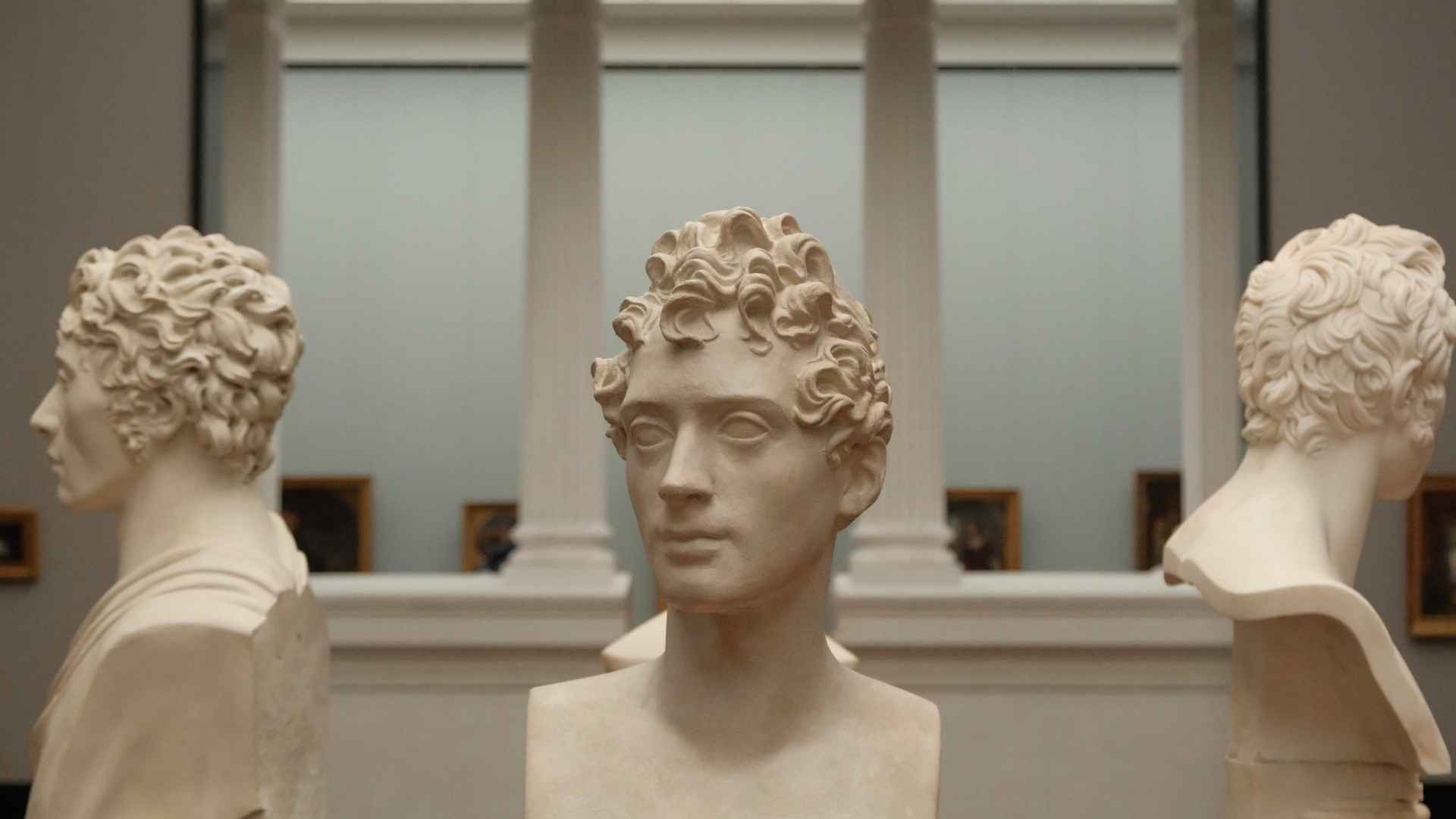
If you walked into a sculptor’s studio five hundred years ago, you wouldn’t just see the master artist. You’d see a group of apprentices. Their job was to do the “donkey work.” They would spend weeks hammering away at a massive block of marble just to get it down to the basic shape. Only then would the master step in to carve the eyes, the hands, and the delicate folds of a robe. Today, that process is coming back, but the apprentices are made of steel and sensors. We call them “cobots,” or collaborative robots. They aren’t replacing artists; they are doing the heavy lifting so the artist can focus on the soul of the work.
From Digital Dreams to Robotic Precision
It starts with a digital model. An artist creates a 3D design on a computer, often pushing the limits of what they think stone can actually do. They might design a statue with thin, flowing ribbons of granite or a shape that seems to defy gravity. Once the design is ready, the robot takes over for the first phase.
Equipped with a high-speed diamond drill or a water jet, the robot carves away the bulk of the stone. It’s loud, messy, and incredibly precise. A robot doesn’t get tired, and it doesn’t make a “wrong” swing of the hammer that ruins a multi-ton block of marble. It can get within a few millimeters of the final design in a fraction of the time it would take a human.
The Human Touch in a Machine Age
While a robot is great at bulk removal, it lacks the “eye” for texture. Once the rough shape is complete, the artist takes over with traditional chisels and sandpaper to bring the stone to life.
But here’s the thing: this isn’t just about saving time. Using robots allows creators to try things that were once impossible. In the past, if you carved stone too thin, the vibrations from your hammer might crack the whole piece. Because robots are so steady and use different cutting methods, they can create lace-like patterns in solid stone.
A New Era of Craftsmanship
It’s a perfect example of how the “World of Creation” works. By learning to use these digital tools, artists are picking up a new kind of craftsmanship. They have to understand 3D geometry, robotic paths, and the physical limits of materials like marble and basalt. It’s a mix of ancient geology and futuristic engineering.
In the end, it’s still about the artist’s vision. The robot is just a very advanced chisel. But by letting the machine handle the rough parts, we are seeing a new era of sculpture that is more complex and daring than anything the Renaissance masters could have dreamed of. It turns out that the future of art isn’t about choosing between humans or machines, it’s about how well they work together.
[ad_2]
Source link