[ad_1]
Visakhapatnam: In the quiet surroundings of Pedagadi near Vepagunta in Visakhapatnam, mornings at Sankalpa Art Village begin differently. Instead of the noise of traffic and screens, there is the soft hum of sewing machines, the earthy scent of natural dyes and artisans patiently shaping wood into colourful toys by hand.
More than a creative production centre
Founded in 2013 by A Chalapathi Rao and A Parvathi, Sankalpa Art Village has become much more than a creative production centre.
Over the years, it has evolved into a warm eco-cultural space where sustainability, heritage and rural traditions are woven into everyday life.
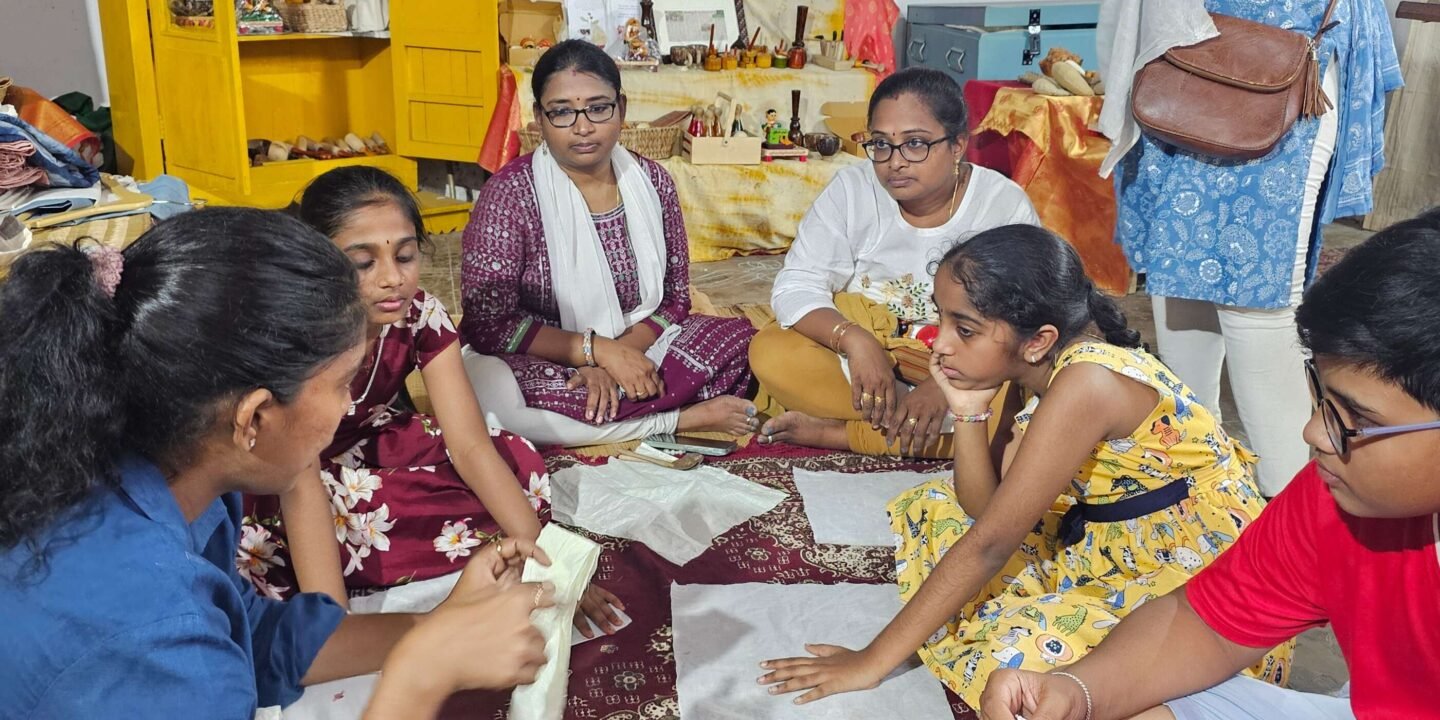
This summer, the village has turned into a lively destination for families and children looking to experience something beyond malls and gadgets. Under the guidance of Creative Design Head Jameelya Akula and her team, visitors are taking part in hands-on workshops on natural dye making, tie-and-dye techniques, and traditional block printing.
Children laugh as their hands turn shades of indigo, yellow and red, while artisans patiently teach them the magic hidden in every fold and knot of cloth.
Like visiting grandma’s home
Stepping into the village feels almost like visiting a grandmother’s home from another era.
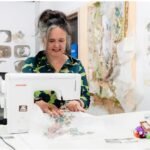
Brass containers filled with food essentials line the shelves, bringing back memories of simpler living. In one corner, women carefully stitch sustainable garments using breathable fabrics suited for Vizag’s humid weather. In another, craftsmen shape wooden toys and décor pieces using traditional lacquer-turning techniques, creating colourful animal figurines, miniature kitchen sets and handcrafted gifts without the use of harmful chemicals.
Fun with tie-and-dye
The village is especially known for its naturally dyed textiles, featuring handloom fabrics, khadi weaves, organic clothing and freshly woven sarees crafted using traditional methods. Its children’s collection—made with soft cotton and chemical-free natural dyes—has become particularly popular among parents looking for sustainable alternatives.
The heart of the summer experience lies in the tie-and-dye workshops. Children are encouraged to draw shapes, fold fabrics, tie knots and dip the cloth into vibrant natural colours before waiting excitedly for the final reveal.
“One of the aunties helped me fold and tie the cloth properly. Watching the design appear after dyeing was so much fun. This is going to be a beautiful summer memory for my cousins and me,” said Adhitri, who visited the Art Village with her cousins from Hyderabad.
“The most exciting moment comes at the end—the threads are untied to reveal beautiful and surprising designs hidden within the fabric,” said Aganya from Hyderabad.
Know your toy colour
Adding to its charm are the beautifully handcrafted wooden toys and décor items made using traditional lacquer-turning techniques. From colourful animal figurines to miniature kitchen sets, every piece is created without harmful chemicals, preserving both artistry and safety.
Healthy foods
Sankalpa also keeps age-old food traditions alive through its stone-ground organic products. Oils extracted using a traditional bullock-driven press, herbal teas, Ubtan and naturally prepared ingredients reflect the founders’ commitment to sustainable living and healthy practices.
Bull-driven cold-pressed oil making (often called Chekku, Ghani, or Marachekku) is one ancient method people will enjoy. It involves yoked bulls walking in circles to rotate a heavy wooden or stone pestle within a mortar, slowly crushing oilseeds without generating friction heat to preserve 100 per cent of their nutrients, aroma and flavour.
Sustainable clothing
One of the most special aspects of the village is its focus on creating sustainable clothing perfectly suited to Vizag’s weather. From soft, breathable outfits for children to elegant tie-and-dye sarees loved by women, every piece is designed with comfort, tradition, and sustainability in mind.
More than just clothing, it offers people an opportunity to embrace a conscious and eco-friendly lifestyle rooted in natural fabrics and timeless craftsmanship.
“The experience goes beyond crafts. Visitors are introduced to elements of rural life through traditional cooking methods, stone-ground food preparation, and even interactions with local livestock and farming practices,” said Creative Design Head, Jameelya Akula.
In an age dominated by fast fashion and machine-made products, Sankalpa Art Village stands as a refreshing reminder that sustainability and tradition can still thrive together — one handcrafted creation at a time.
[ad_2]
Source link