
[ad_1]
Born in the small town of Zundert in the province of North Brabant, the Netherlands, Van Gogh grew up around nature. In his later years, he lived in other areas, such as Nuenen and Etten-Leur, surrounded by fields and gardens. The years spent here instilled in him a deep love of the land that lay the foundation for his art. Not only was he fascinated by nature itself, but also the people who worked closely with it. Continue reading to find out more about Van Gogh’s “Head of a Peasant.”
Before Van Gogh’s “Head of a Peasant”: The Borinage
Before becoming an artist, Van Gogh had decided to follow in his father’s footsteps and join the church. His father, Theodorus van Gogh, was a Protestant minister working in North Brabant. Van Gogh was a religious man and wished to dedicate his life to the service of God, which led him to work as a preacher in the mining village of Borinage in Belgium. This experience was transformative for him and guided him toward art and service to those in need, as he befriended miners living in extreme poverty and helped them whenever he could. He would share his own food and clothing with the families. However, failing at his work as a preacher, the church did not renew his contract, so Van Gogh left the Borinage in 1880.
In 1882, he wrote a letter to his brother Theo from The Hague recalling his experiences during the time he spent in the village: “Once I nursed a poor burnt miner for six weeks or 2 months—I shared my food with an old man a whole winter long . . . But to this day I don’t believe that this was foolish or bad, I see it as so natural and self-evident that I can’t understand how people can be so indifferent to each other normally.” Van Gogh’s attentiveness to people leading difficult lives stemmed from his religious inclinations. He carried this dedication into his life as an artist, particularly as a peasant painter.
Life in North Brabant
After the stay in Borinage, Van Gogh had to leave the church, which led him to move back in with his parents in Nuenen. He had already decided to become an artist and had set up his studio at the back of his parents’ house. This was not easy because Van Gogh’s relationship with his parents became strained after he was rejected from the church. His decision to become an artist heightened the tension, as earning a living in this profession was difficult, which his parents found disappointing. However, Van Gogh was determined to follow this path, even if it meant living in poverty. He relied on his brother Theo, an art dealer in Paris, for financial support throughout his life as an artist.
Nuenen provided an ideal setting for Van Gogh to develop his practice as a peasant painter. He wrote in April 1885, “After all, I desire nothing other than to live deep in the country and to paint peasant life.” He also wrote: “I’ve become so absorbed in peasant life by continually seeing it at all hours of the day that I really hardly ever think of anything else.” Due to the rural environment of Brabant, there was no shortage of subject matter to sketch or paint, and Van Gogh took advantage of this.
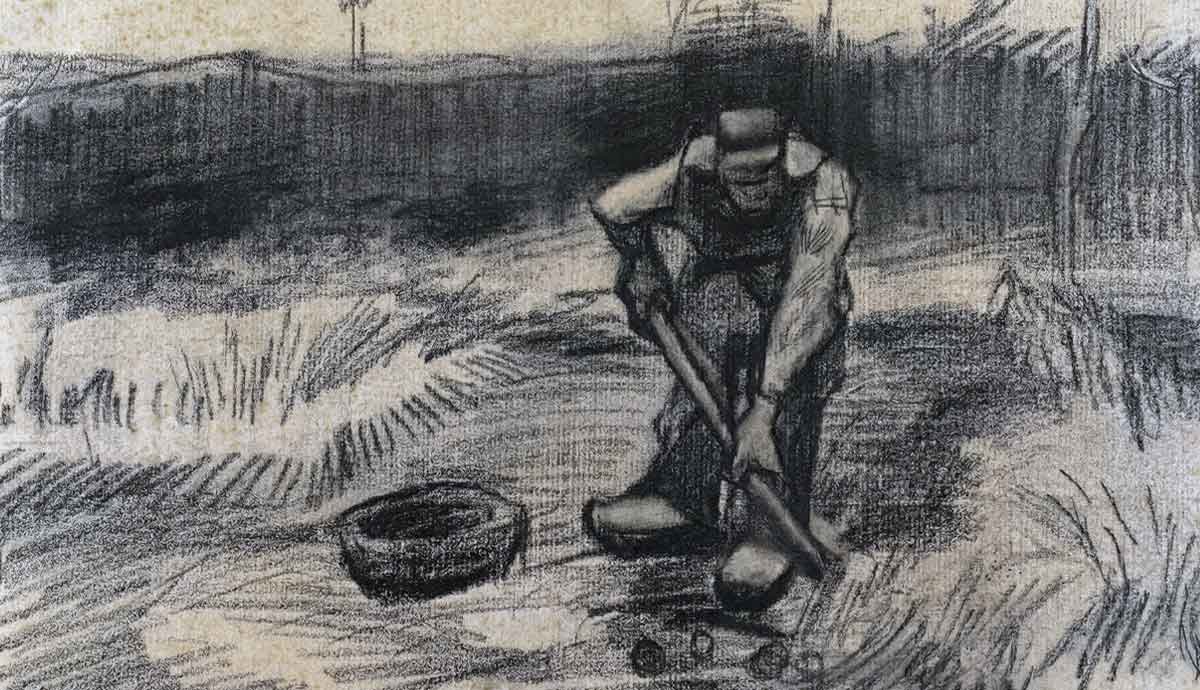
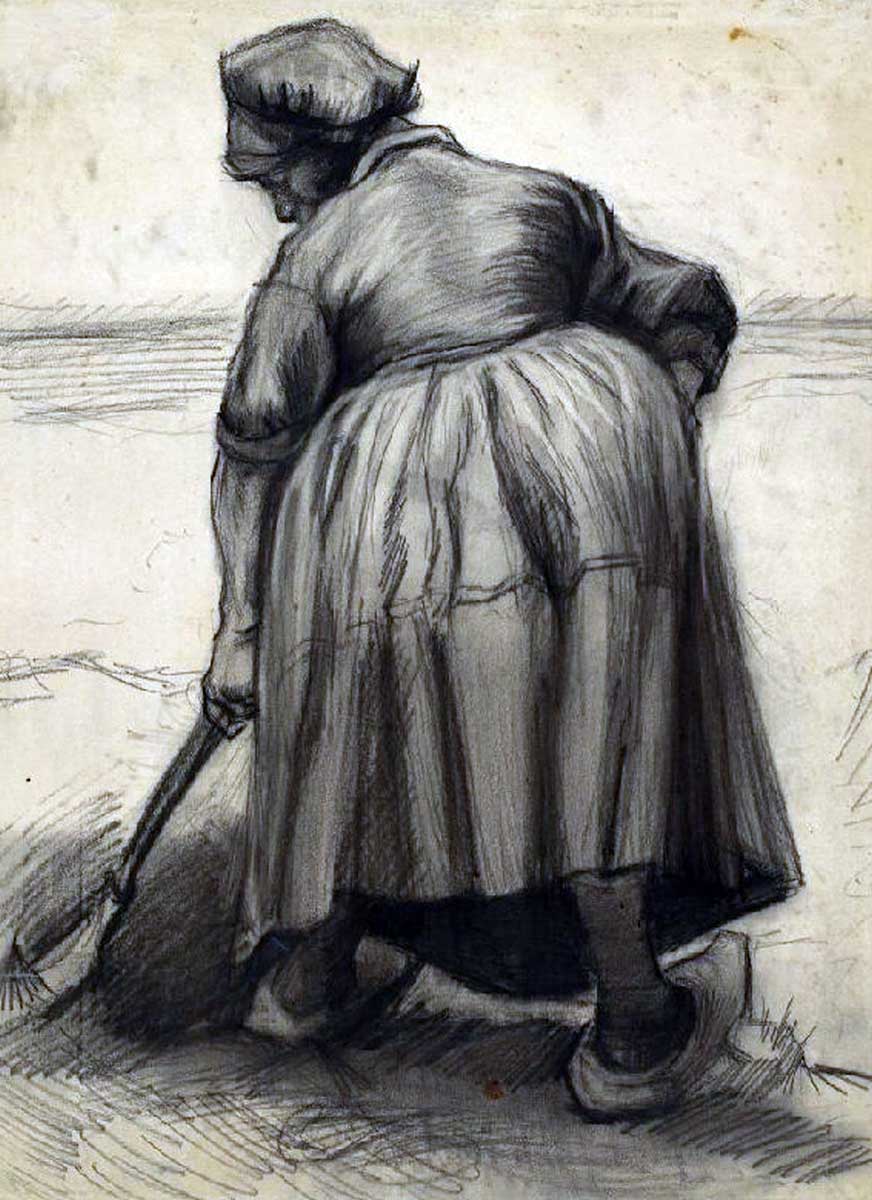
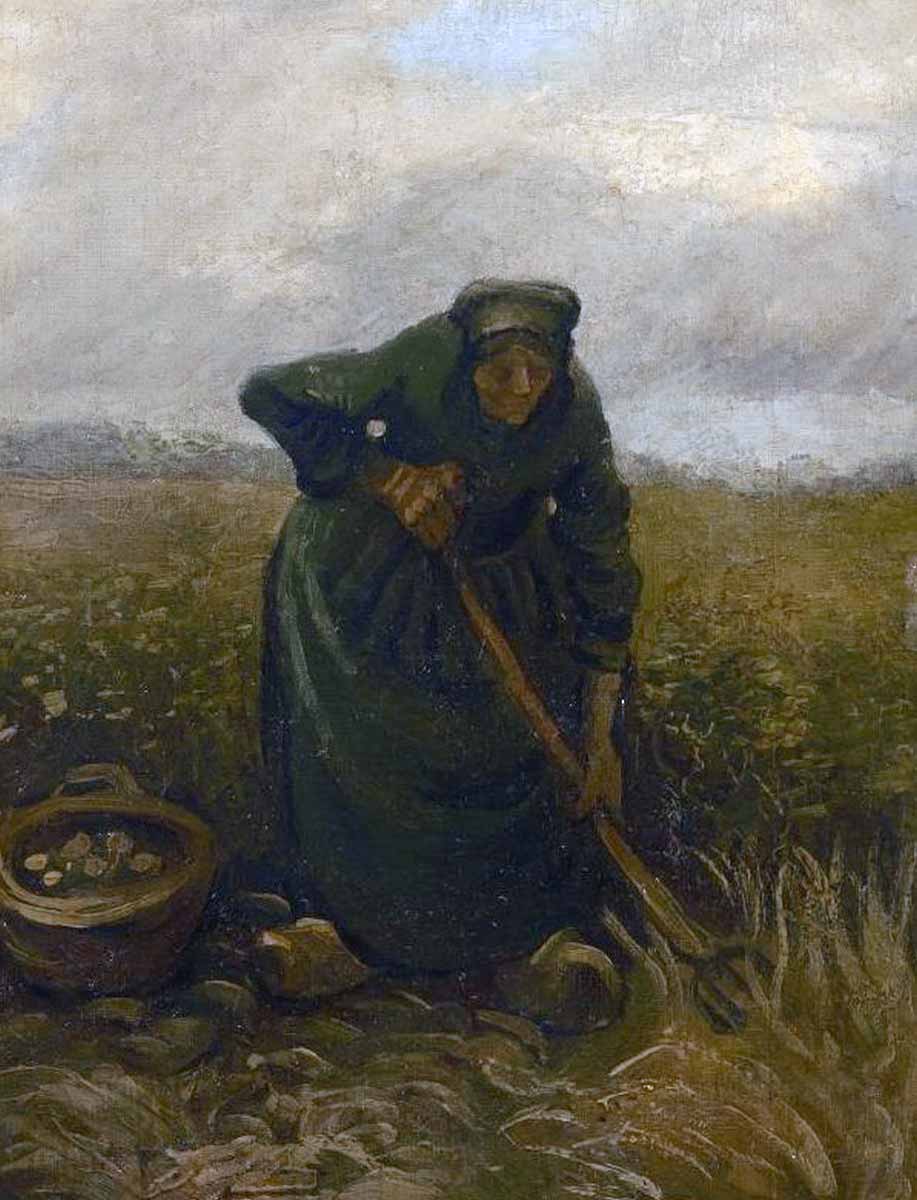
He would go out in search of working peasants to draw or paint them, such as Peasant Woman Digging and Woman Lifting Potatoes. Apart from peasants, he also befriended several weavers in the region who worked on looms inside their small houses. Van Gogh sketched and painted numerous works depicting the weaver at work, capturing the complicated structure of the loom impressively. Together, peasants and weavers form the majority of his works from Nuenen, as he also hinted in a letter from January 1884 to Theo, “I don’t think there’s been a day since I’ve been here when I haven’t sat working with the weavers or peasants from morning till night.”
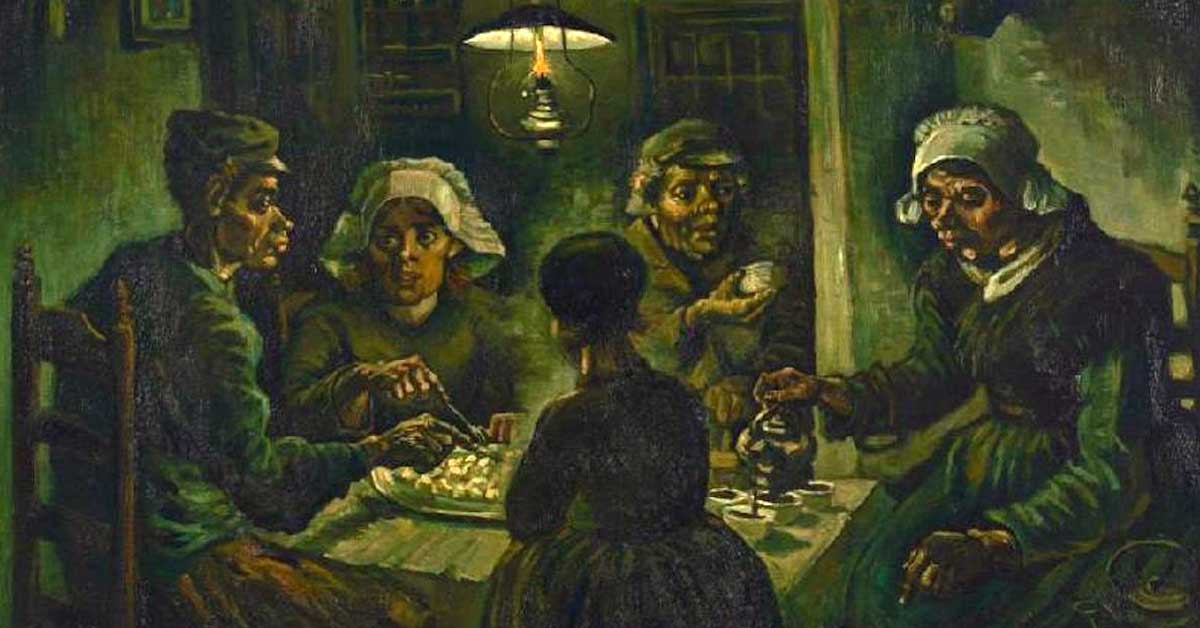
By the time he was in Nuenen, the artist not only aspired to paint the reality of peasant life, but also hoped to develop himself as a figure painter. Painting peasants working in the fields enabled him to capture the proportions of the human body as well as the complexities of their movements. In 1885, Van Gogh painted his first large-scale painting depicting a family of peasants sitting around a small table with steaming potatoes and coffee, titled The Potato Eaters. He considered this work a personal success. Today, The Potato Eaters is in the permanent collection of the Van Gogh Museum in Amsterdam and is considered one of Van Gogh’s first masterpieces.
Head of a Peasant (Woman)
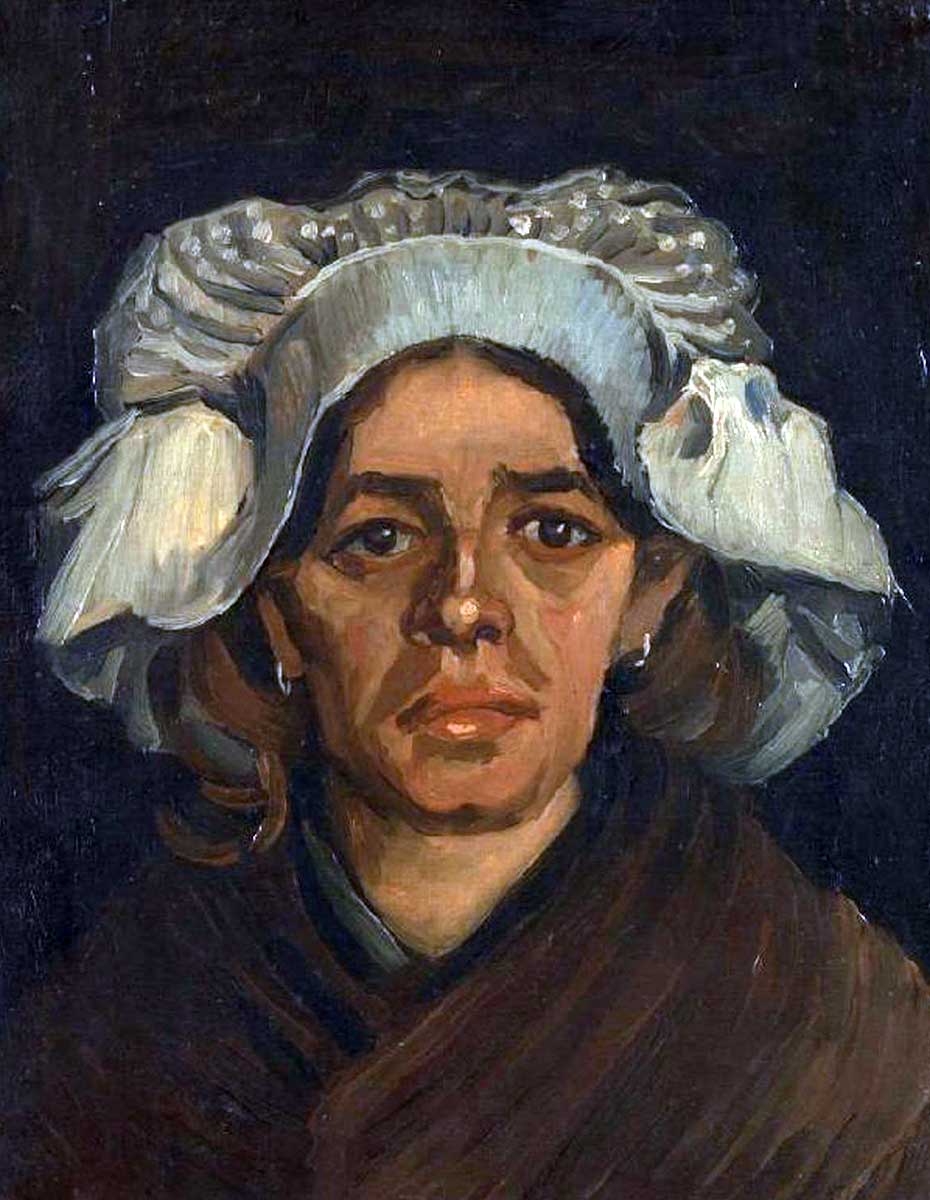
To prepare himself to undertake the project of painting The Potato Eaters, Van Gogh made numerous studies of the peasant family. These included sketches of the scene depicted in the painting and portraits of individual family members. These paintings, which also allowed Van Gogh to improve his skills in portraiture, depict the subject in front of a dark background in plain clothing.
The portrait titled Head of a Peasant Woman (Gordina de Groot) was described by Van Gogh as “simply a peasant woman who came back from planting potatoes, still covered in dust from the field.” The painting has a rustic character that does not idealize the woman; instead, it focuses on the reality of her life as someone who performs difficult physical labor and lives in poverty.
Van Gogh held strong opinions about such depictions, as he wrote in a letter, “For my part, I’m convinced that in the long run it produces better results to paint them in their coarseness than to introduce conventional sweetness.” He went on to describe the beauty of a peasant woman over a lady, as well as the importance of honest representations over depicting a ‘perfect’ version of peasant life: “If a peasant painting smells of bacon, smoke, potato steam—fine . . . But a peasant painting mustn’t become perfumed.” The artist expressed his intention to paint 50 peasant heads in Nuenen in multiple letters. In total, 47 such paintings survive today, affirming the artist’s dedication to the subject. However, these portraits were not intended to capture individual identities but to represent types.
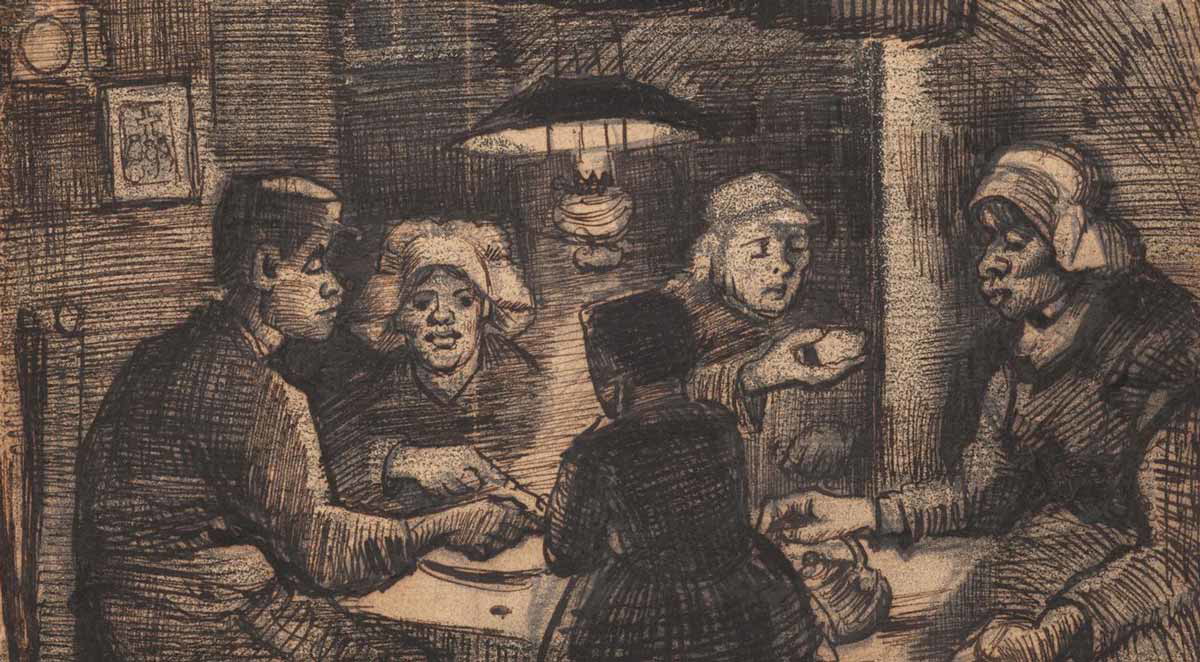
Van Gogh did not discuss his subjects as individuals in his letters, but always referred to them as ‘peasants’ because he wanted to capture their very character as people who work on the earth: “They remind one of the earth, sometimes appear to have been modelled out of it.” This characterization of the peasants may be why none of the people in the portraits are known, except Gordina de Groot.
Artistically, the peasant portraits from Nuenen were a crucial step in Van Gogh’s development as a figure painter. This was a challenging skill to master, and the artist even enrolled at the Royal Academy of Fine Arts in Antwerp, Belgium, to deepen their technical knowledge of figure painting. Drawing heads of peasants was particularly helpful for him as he could exaggerate their facial features to signal the effect of their daily physical labor in the fields. He described them as belonging to “the old Brabant stock through and through.” In Head of a Woman (Gordina de Groot), the lines on the peasant woman’s face, as well as the angles, are highlighted by playing with shadows along with using a muted, somber color palette dominated by shades of browns and greens.
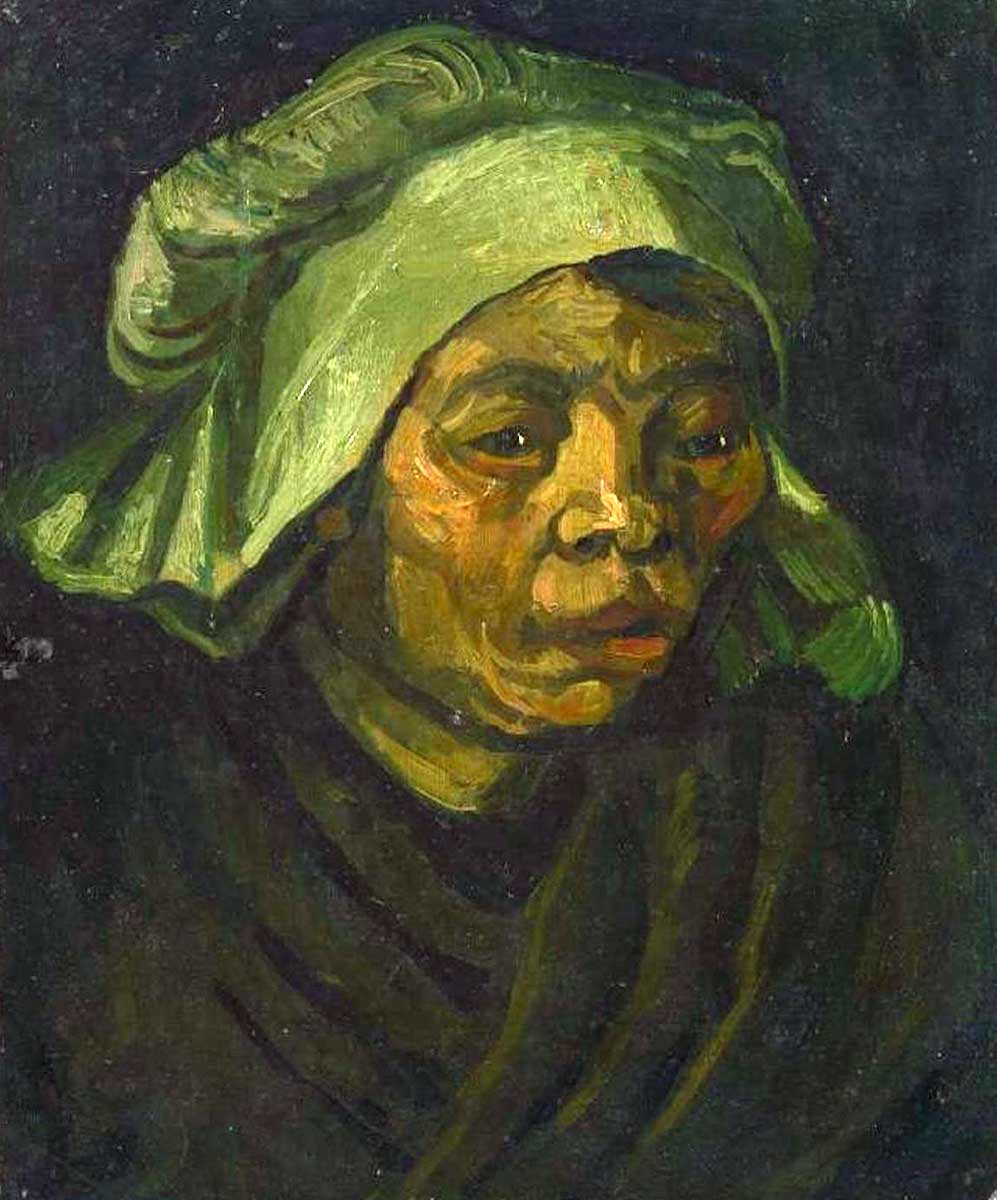
Further, the artist considered the white headdresses worn by Brabant women in the 19th century both a challenge to paint, but he also found them visually interesting because they created a beautiful contrast to the dark background: “It’s precisely the chiaroscuro—the white and the part of the face in shadow, that has such a fine tone.” Van Gogh had already started experimenting with color theory while painting these heads. The white headdresses of the peasant women are not painted white; they contain shades of dark green, appearing white only due to the contrast with the dark background. This play of colors is particularly visible in two other paintings titled Head of a Woman, one depicting an older member of the De Groot family and another depicting a woman seated in front of a window.
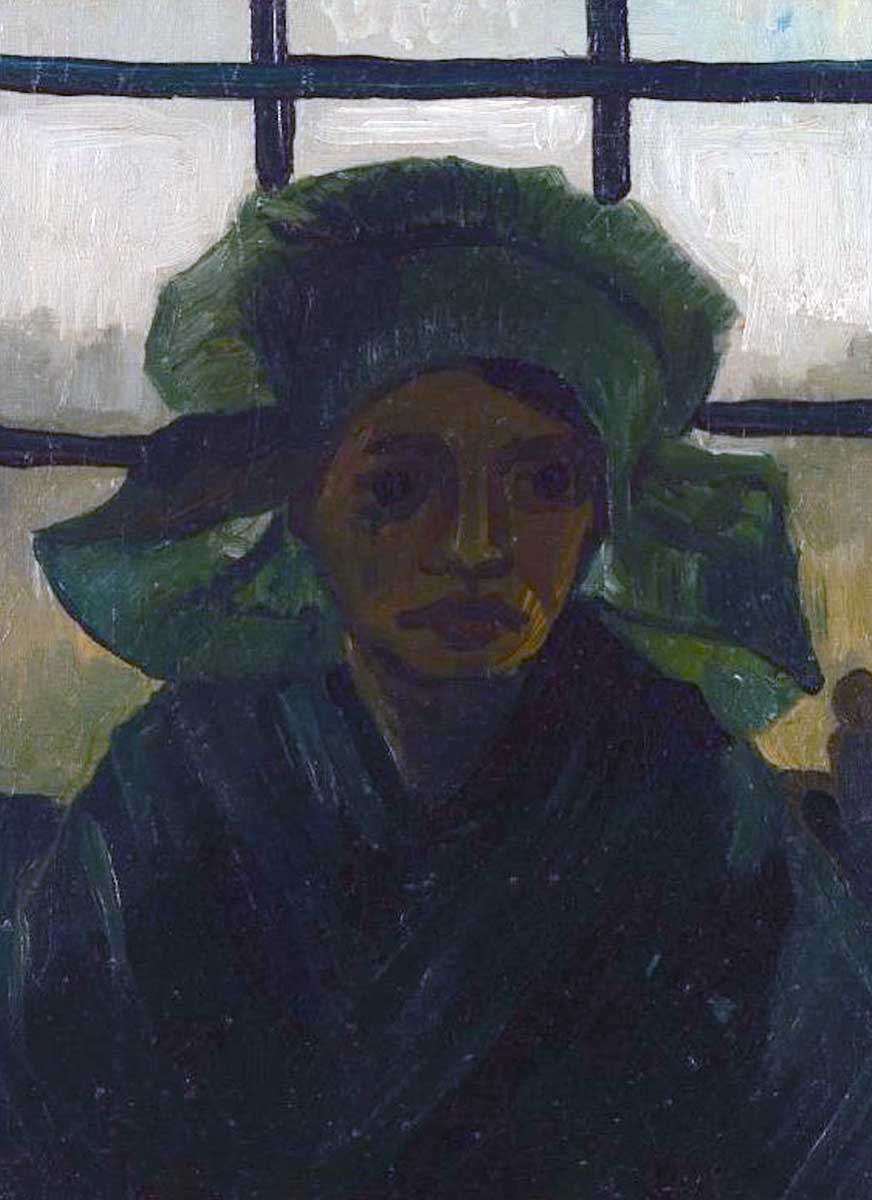
Both portraits are darker than that of Gordina de Groot, which shows how skillfully Van Gogh employed color theory in the work. The woman seated in front of a window is especially complex as the artist managed to depict her facial features and the white headdress in front of a lighter background. He employed a color resembling “dark green soap” that he had used to describe an interior scene he had witnessed in a cottage in Nuenen. Not only did the dark color palette of these portraits serve to emphasize the connection between the land and the peasants, but it was also the only palette he was familiar with through his exposure to the art of the Old Masters.
Impressionism had established its position in Paris, but its impact was not as well known beyond the city. Van Gogh was familiar with the emergence of new ideas in painting, but had not witnessed these ideas in motion until he left for Paris in 1886. Nevertheless, his choice of earth tones adds symbolic value to the peasant paintings.
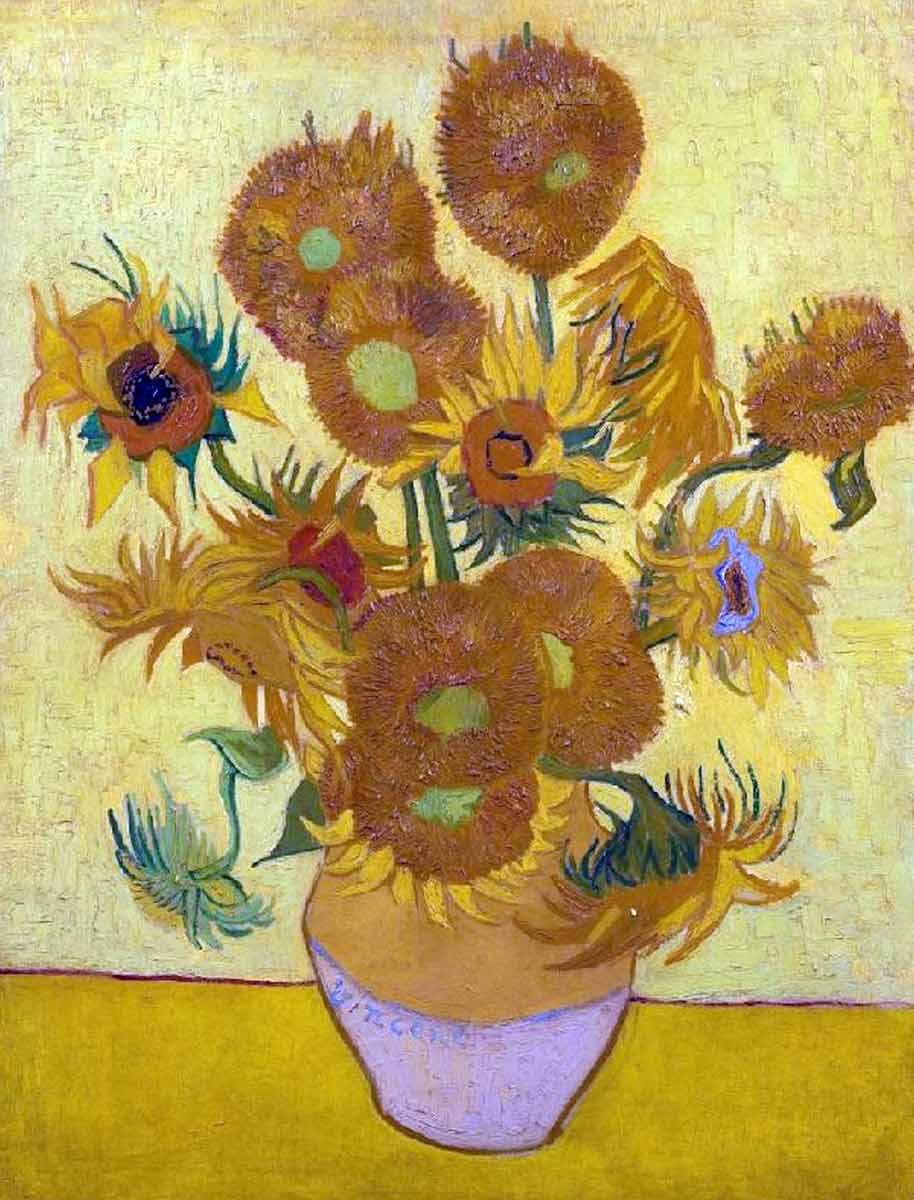
This practice of instilling symbolism through color is also evident in works from later in his career, such as the Sunflowers, which use vibrant shades of yellow to symbolize the sun. This intentional choice of subjects and their colors is what makes Van Gogh’s art stand out today. His paintings are highly recognizable because they do not depict perfection but rather a strong character, captured through color and line that embody the essence of the subject.
Van Gogh’s Goodbye to the Netherlands
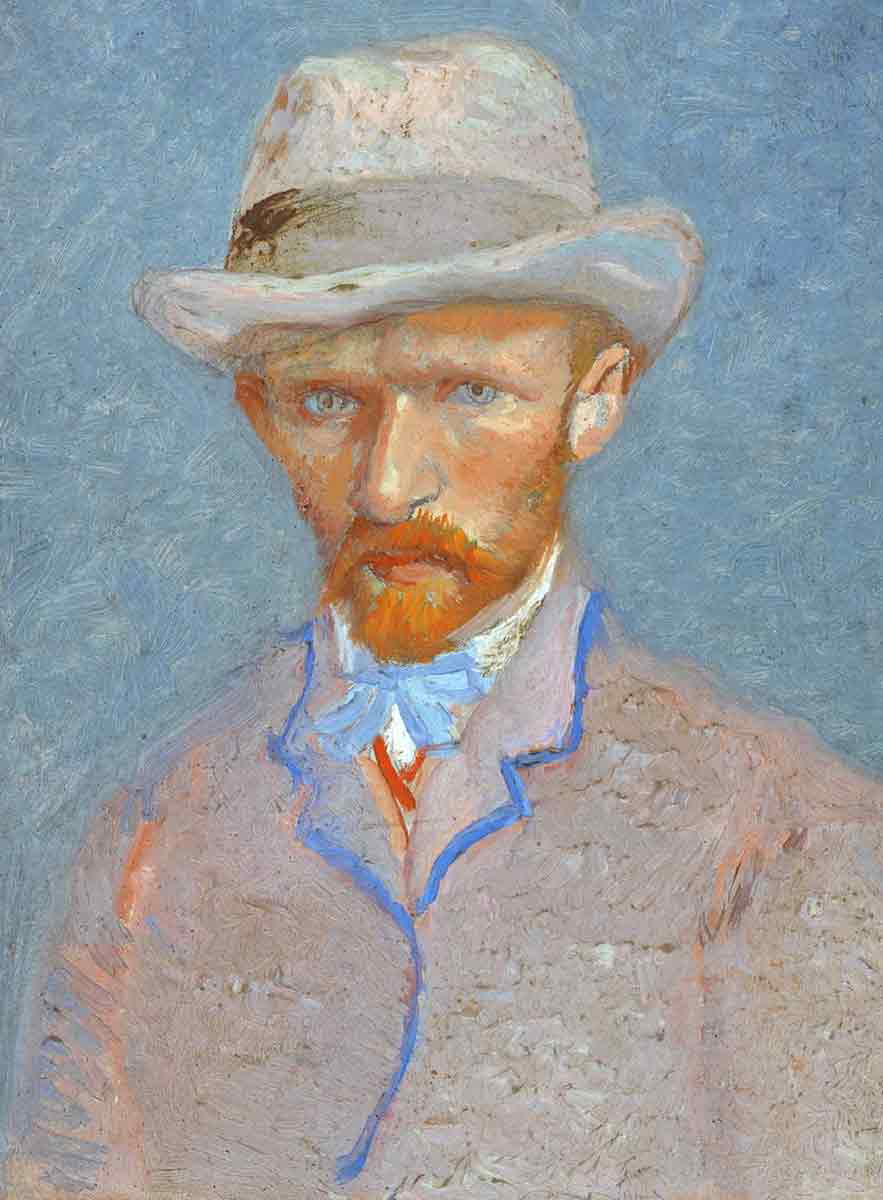
After spending nearly two years in Nuenen, Van Gogh moved to Antwerp, never to return to the Netherlands again. He hoped to sell his work, experience the city’s rich culture, and enroll in the art academy to study figure painting. In a few short months, he moved to Paris to live with his brother. This period revolutionized his art and transformed his palette from the dark, earthy tones of Brabant to the luminous colors of the Impressionists. Despite this experience of vibrant urban culture, the artist longed for the rural life he had left behind in Brabant.
He wrote to Theo in 1885, “I so often think that the peasants are a world in themselves, so much better in many respects than the civilized world.” Eventually, Van Gogh’s longing for the countryside led him to the south of France and later to Auver-sur-Oise, where he was surrounded by the simplicity and honesty of peasant life once again.
[ad_2]
Source link