[ad_1]
Conclusion
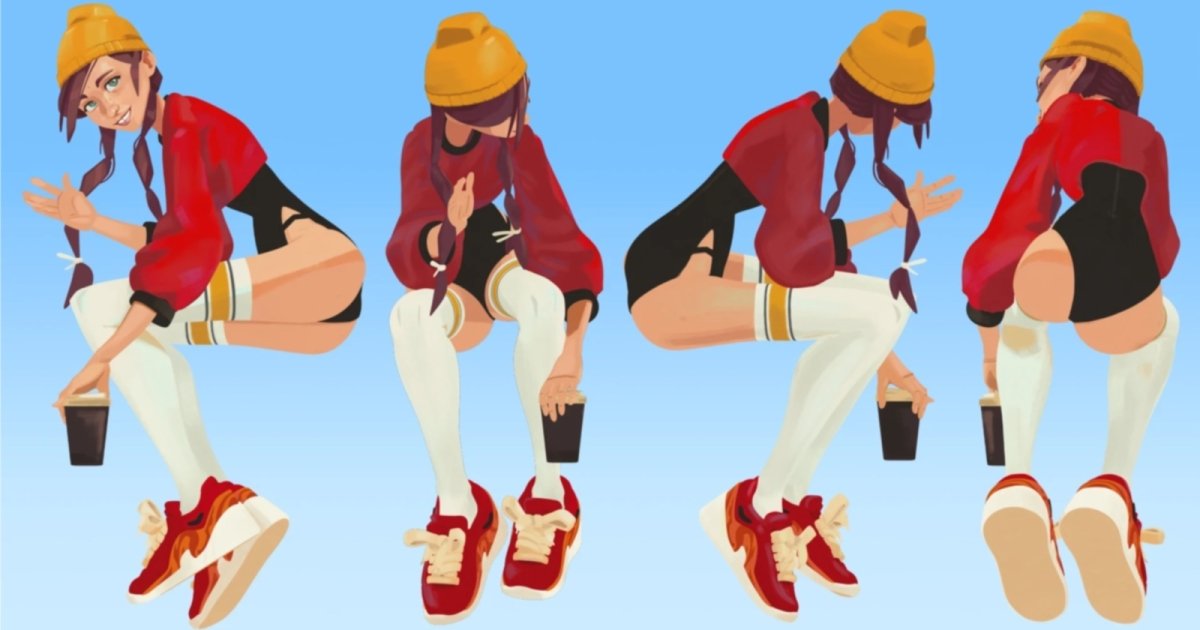
Coming from the experience of sculpting characters in T-Pose only for video game character production, this was a fun exercise in sculpting an asymmetrical pose and practicing my brushwork. I encourage any artist wanting to evolve their skills to practice with smaller projects based on simpler concepts if you want to improve efficiently.
It’s a common trap to become bogged down by a long-term project with a complex character design if you allow project scope to creep. A healthier alternative would be to conduct short study projects alongside your big project so you can apply what you learned from your studies. They can range from speedsculpts to studies on anatomy, cloth folds, facial expressions, or even learn how to rig/animate!
With so many character art projects featuring only static renders, I think giving your 3D character a simple animation that speaks to their personality boosts their appeal tenfold. Saying that, the experimental method I used for animating a decimated character was tedious, but it was enough to work for a short project like this.
However, if you wanted to do more complex animations with your character (or just avoid Blender slowdown altogether), I would highly recommend that you don’t do this and stick with creating a low-poly version for a smoother animation experience.
One final note: if you’re adapting a concept but there’s a section that doesn’t look or feel correct, don’t be afraid to deviate! As long as it’s within sound reason. Just make sure you have a visual reference for guidance on how to resolve those design issues.
Thank you so much for reading! If you want to follow me or just peruse my other work, feel free to find me on ArtStation, BlueSky, or LinkedIn.
[ad_2]
Source link