[ad_1]

Activewear has shifted from niche workout clothing to an everyday wardrobe essential across the United States. As more people incorporate movement into daily routines, clothing designed for flexibility and comfort continues to evolve. Among the most widely adopted pieces are yoga shorts, which support activities ranging from yoga sessions to gym workouts and casual wear.
However, many consumers still face challenges when selecting the right pair. Shorts that roll down during workouts, fabrics that trap heat, or seams that cause irritation can make exercise less comfortable. In response, designers and textile engineers have introduced new innovations focused on stability, breathable fabrics, and seamless construction. The yoga shorts trends emerging in 2026 reflect this shift toward clothing that blends performance features with everyday versatility.
What Are the Latest Trends in Yoga Shorts for Women?
Modern activewear design increasingly combines performance engineering with fashion-forward aesthetics. In the yoga apparel category, several important trends are shaping how yoga shorts are constructed and worn.
High-Waisted Designs for Stability and Support
High-waist silhouettes have become one of the defining features in modern yoga shorts.
These designs typically extend above the natural waistline and incorporate wider waistbands. The result is a more secure fit during movements such as bends, stretches, and inversions.
Key benefits include:
- Improved garment stability during workouts
- Core coverage and support for comfort and confidence
- Reduced rolling or slipping during movement
High-waist designs also distribute compression more evenly across the midsection, which can help maintain a streamlined fit during yoga flows or gym routines.
Sculpting and Compression Construction
Another growing trend is the use of sculpting fabrics and construction techniques that contour the body while maintaining flexibility.
Many yoga shorts now feature:
- Targeted compression zones
- Contoured seam placement
- Shaping waistbands
Compression garments can help support muscles and may improve comfort during certain forms of exercise. While yoga shorts are not medical compression wear, the use of supportive fabrics helps stabilize the garment and maintain its shape during movement.
Seamless Activewear Technology
Seamless knitting has become increasingly common in performance apparel.
Instead of being assembled from multiple stitched panels, seamless garments are produced through circular knitting machines that create the entire piece in one structure.
Advantages of seamless yoga shorts include:
- Reduced friction and chafing
- Improved stretch distribution
- Smoother fit under clothing layers
This technology also allows manufacturers to integrate ventilation patterns and compression zones directly into the fabric structure.
What Are the Best Yoga Shorts for Running and Gym?
While yoga shorts are traditionally associated with yoga practice, many people use them for other activities such as gym training or running.
However, different workouts require different features.
Key Features for Running or Gym Use
When selecting yoga shorts for more dynamic workouts, look for:
- Four-Way Stretch Fabrics
These materials allow movement in multiple directions, which is essential for running strides and strength exercises.
- Moisture-Wicking Properties
Sweat-wicking fabrics move moisture away from the skin to help regulate body temperature. Moisture-management fabrics improve comfort during physical activity.
- Secure Waistbands
High-waist or reinforced waistbands help keep the shorts in place during high-impact movement.
- Pocket Functionality
Storage options allow runners or gym-goers to carry essentials like keys or cards.
|
Style |
Typical Length |
Activity Suitability |
|
Short inseam (3–4 inches) |
Upper thigh |
Yoga, hot weather workouts |
|
Mid-length (5–7 inches) |
Mid-thigh |
Strength training, cycling |
|
Biker style (7–9 inches) |
Lower thigh |
Running, high-movement workouts |
Biker-style yoga shorts have gained particular popularity because the longer inseam reduces fabric movement and offers consistent coverage during dynamic exercises.
How Do I Choose the Right Athletic Shorts for Running?
Choosing the right athletic shorts involves evaluating fabric performance, fit, and practical features. Each of these factors can influence comfort and mobility during exercise.
Fabric Performance
Look for fabrics designed to enhance performance.
Important qualities include:
- Breathability
- Lightweight construction
- Quick-drying capability
Moisture-wicking synthetic fabrics such as polyester blends are widely used in activewear due to their durability and sweat management properties.
Fit and Mobility
Fit affects both comfort and performance.
Consumers should consider:
- Stretch capacity
- Waistband support
- Seam placement
A poorly placed seam can cause irritation during repetitive movement. Seamless or flatlock seams help minimize friction.
Functional Features
Many modern athletic shorts incorporate practical elements, including:
- Side pockets
- Hidden waistband pockets
- Adjustable waistbands
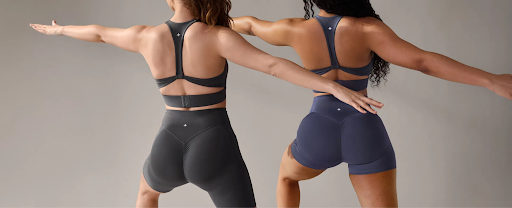
For example, some activewear collections showcase designs that combine high-waisted support with integrated pockets, illustrating how functionality and comfort are increasingly combined in contemporary yoga shorts.
What Are the Yoga Shorts for Summer Wear?
Warm weather workouts require clothing that can keep the body cool while maintaining flexibility. For this reason, summer-oriented yoga shorts emphasize breathable fabrics and lightweight construction.
Lightweight Materials
Thin performance fabrics reduce heat retention and allow more air circulation.
Common features include:
- Soft-touch textures
- Cooling fabric finishes
- Lightweight stretch blends
These materials help reduce the heavy or sticky feeling that can occur during intense summer workouts.
Ventilation and Breathability
To improve airflow, some designs incorporate:
- Mesh panels
- Perforated fabric zones
- Knit ventilation patterns
Ventilation is especially useful in high-heat zones, such as the inner thigh or waistband.
Shorter Inseam Options
Shorter yoga shorts are often preferred in summer because they provide greater mobility and reduce heat buildup.
These styles are commonly used for:
- Yoga sessions
- Outdoor workouts
- Casual athleisure outfits
The result is a garment that works for both exercise and everyday wear.
Can You Recommend Stylish and Functional Women’s Gym Shorts?
Consumers increasingly expect activewear to function well during workouts while also fitting seamlessly into everyday outfits. As a result, many modern yoga shorts balance technical performance with contemporary style.
Hybrid 2-in-1 Shorts
One emerging design is the 2-in-1 short, which combines:
- An outer loose layer for airflow
- A fitted inner layer for coverage
This structure offers the freedom of loose shorts while maintaining the support of compression shorts.
Sculpting Silhouettes
Sculpting designs help maintain a flattering and supportive fit.
These often include:
- Contoured waistbands
- Seam shaping patterns
- Stretch fabrics with recovery properties
Because these features follow natural body lines, they can create a streamlined look without sacrificing comfort.
Everyday Athleisure Styling
Yoga shorts have become a central piece in athleisure fashion.
They are often paired with:
- Oversized tees
- Sports bras
- Lightweight jackets
This versatility is one reason the yoga shorts category continues to grow within the broader activewear market, as activewear brands like Lululemon and Gymshark also offer yoga shorts designed for athleisure styling, with Halara presenting similar functional features such as high-waisted designs, stretch fabrics, and pocket details within a generally more accessible price segment of the activewear market.
Conclusion
The evolution of yoga shorts reflects broader changes in how people approach fitness and clothing. In 2026, design trends emphasize comfort, versatility, and thoughtful engineering. Features such as high-waisted silhouettes for stability, sculpting fabrics for gentle support, and seamless construction to reduce friction are shaping how modern yoga shorts are designed and worn.
These innovations address common issues like shorts slipping during exercise or fabrics trapping heat. As a result, yoga shorts have become more adaptable and suitable for a variety of activities including yoga practice, running, gym training, and casual wear. Understanding these trends can help consumers choose athletic apparel that supports both comfort and performance as fabric technology and garment design continue to evolve.
[ad_2]
Source link