
[ad_1]
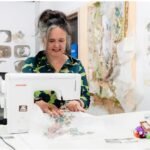
Art has a way of saying what words cannot, and for Dubai-based visual artist Kristel Bechara, every canvas is a conversation. Known for her distinctive visual language and expressive use of colour, Kristel has built a body of work that goes far beyond aesthetics, each piece acting as a personal yet universal conversation. Rooted in a lifelong connection to creativity and shaped by Dubai’s dynamic cultural landscape, her journey reflects both intuition and intention.
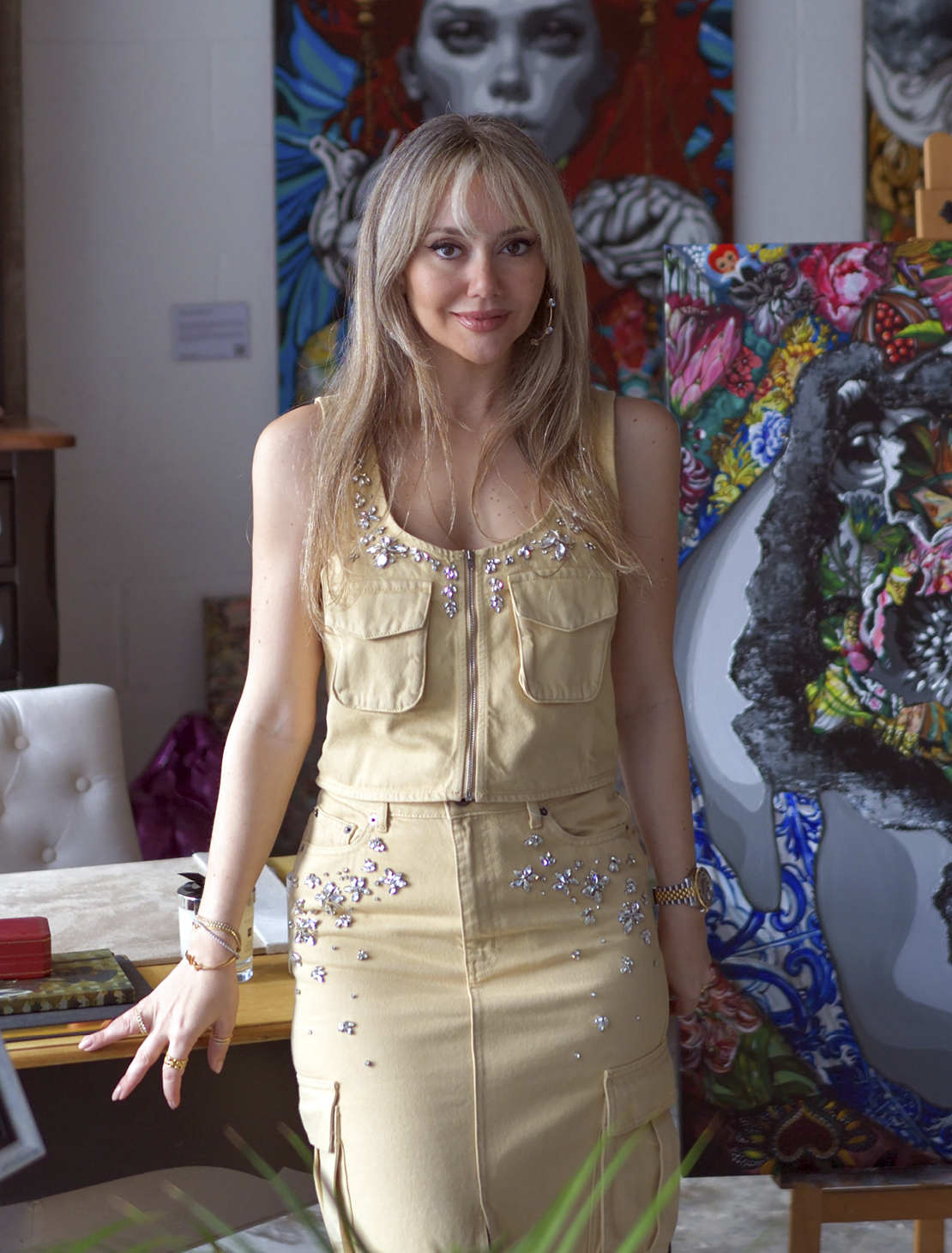
With a distinctive voice that has captured collectors’ attention, Kristel has carved out a space in the art world that is entirely and unmistakably her own. Her work is more than aesthetics; it is emotion, narrative, and identity translated into colour and form. We sat down with Kristel to explore the mind behind the masterpieces and what drives her to keep creating in one of the world’s most dynamic cultural landscapes.
What was the moment where you realized you wanted to follow a career path in the art world?
There was never one single moment. It was always there. I think I was about five years old when I first imagined having my own studio, creating work, showing it, and selling it. That picture was so clear in my mind, even then. My late father was a surrealist artist and sculptor, so I grew up in a home where creativity was part of the air. He never pushed me toward art, but he never had to. He created an environment where curiosity was celebrated, and self-expression felt natural. That kind of encouragement early in life shapes you in ways you don’t fully appreciate until much later. So when people ask about the moment I decided to build this, I almost have to smile, because I’m not sure I ever decided. I think I always knew. Everything else, the design career, the move to Dubai, the years of developing my style, it was all just the long way of getting back to what I dreamed of at five years old.
How does your work reflect the community you’re rooted in, and how has that community shaped your creative or business direction?
Dubai didn’t just provide a backdrop for my career; it shaped the entire way I think about art as a business. I moved here nineteen years ago, and in many ways, I grew up alongside this city. I watched it evolve at a pace that is unlike anywhere else in the world, and there is something deeply infectious about that energy. When you are surrounded by that level of ambition and vision, it becomes impossible not to dream bigger yourself.
When I launched my art career about a decade ago, this city gave me everything I needed to build something real. The opportunities here, from galleries and collectors to brand partnerships and cultural events, created an ecosystem that I genuinely believe I could not have found anywhere else. Dubai has a way of opening doors that other cities keep closed.
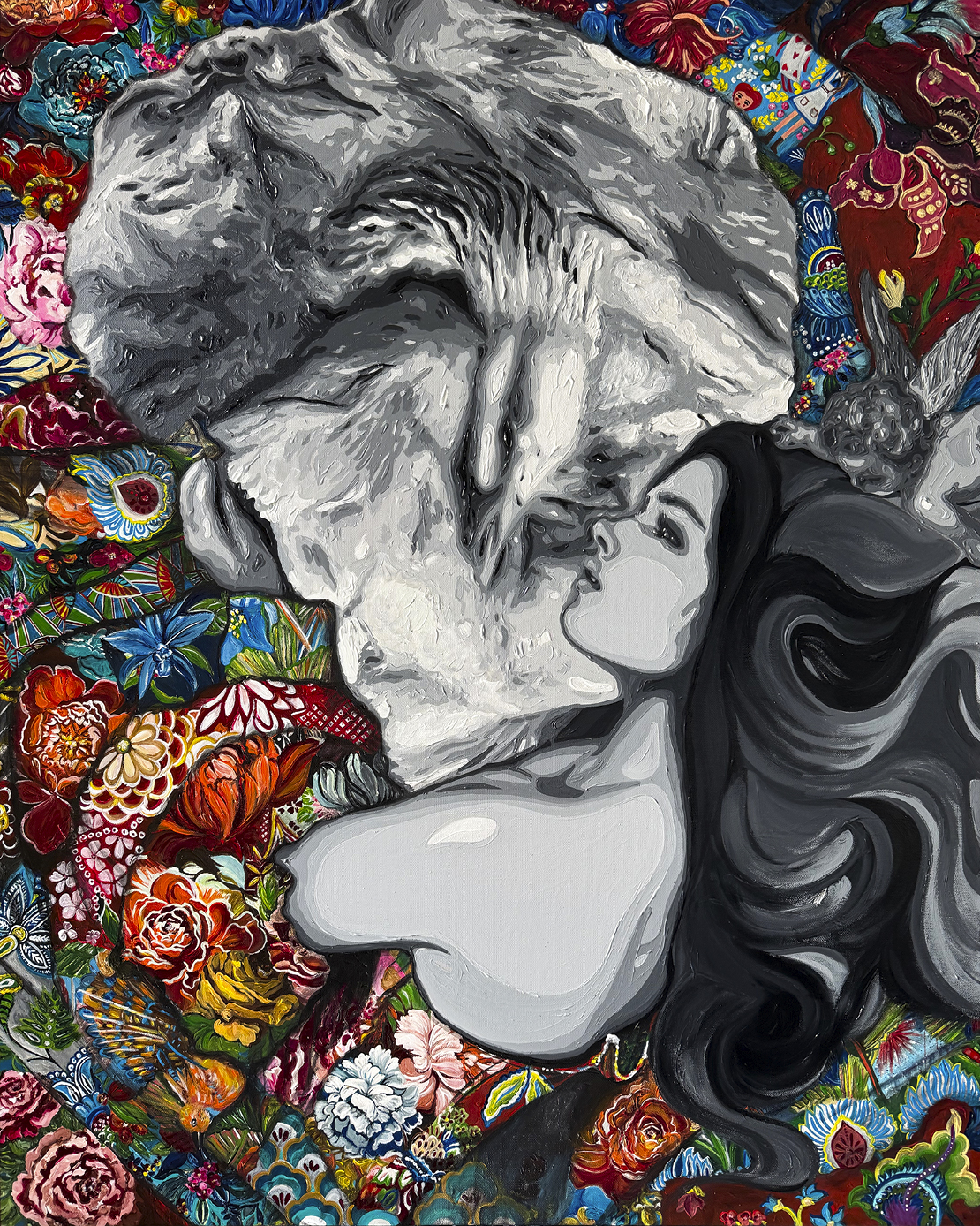
But beyond the infrastructure, what has shaped me most is the people. This is one of the most multicultural communities in the world, and that melting pot of cultures, perspectives, and stories feeds directly into my work.
In a crowded industry, what makes your work stand out?
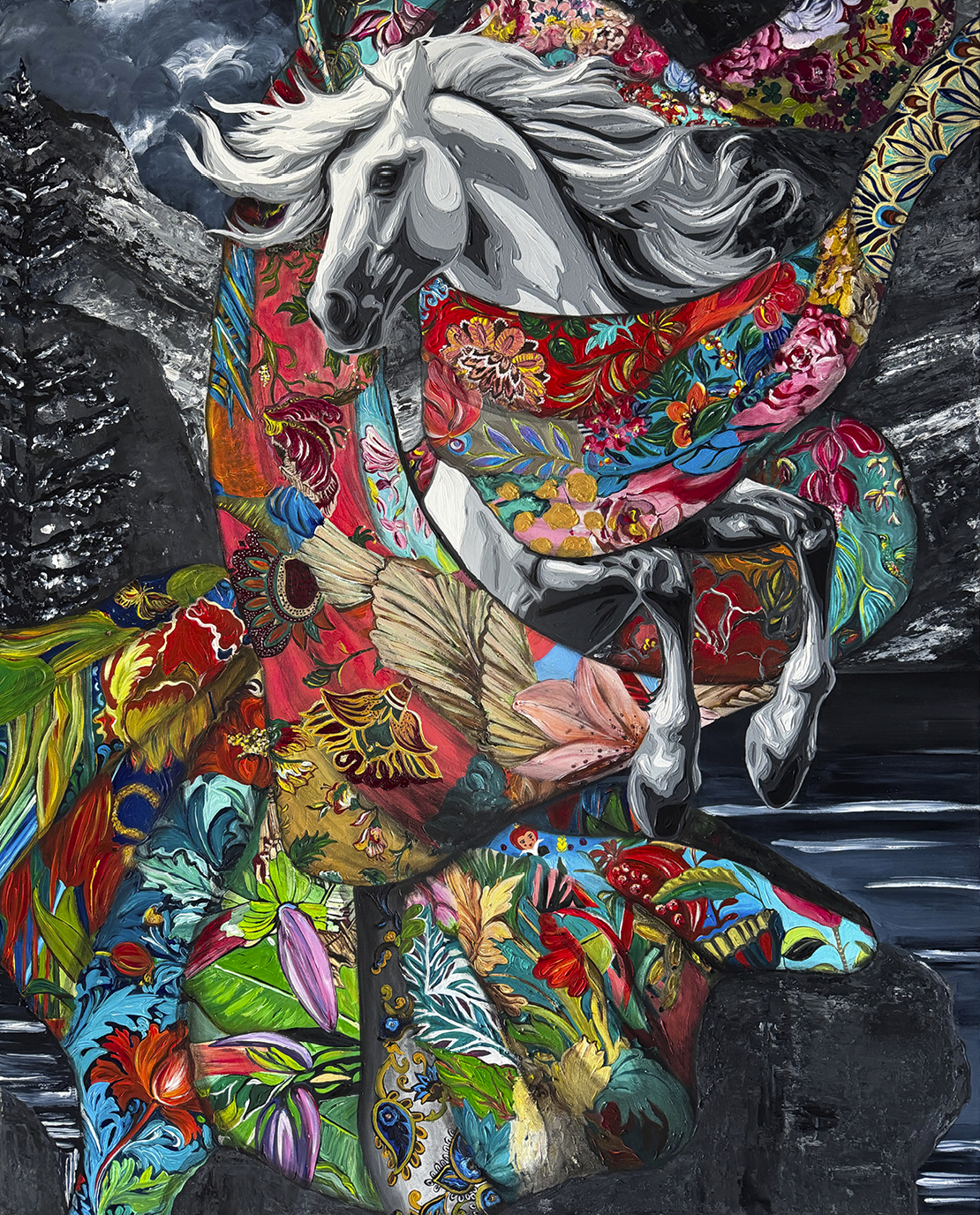
The most obvious answer is my signature style, and yes, it is recognisable. But I think what makes me genuinely different goes deeper than aesthetics. It is about where I choose to look for inspiration. I make a conscious effort not to follow what other artists are doing. I don’t study the market to see what is selling or scroll through what my peers are creating. That kind of awareness, even when it feels passive, has a way of seeping into your work and pulling you toward the familiar. I protect myself from that deliberately.
Instead, I look sideways. Architecture, interior design, fashion, and other disciplines that are adjacent to art but not competing with it. That cross-pollination is where my ideas come from, and I think it shows in the work.
What’s a challenge that tested you, and how did you overcome it?
The challenge that tested me most wasn’t a single moment. It was a period. The years spent searching for a style that was truly mine.
I went through phases of experimenting with different directions, different aesthetics, and different ways of expressing what I felt inside. Some of it was interesting. Some of it was technically competent. But it wasn’t landing. I could feel it, and the audience could feel it too.
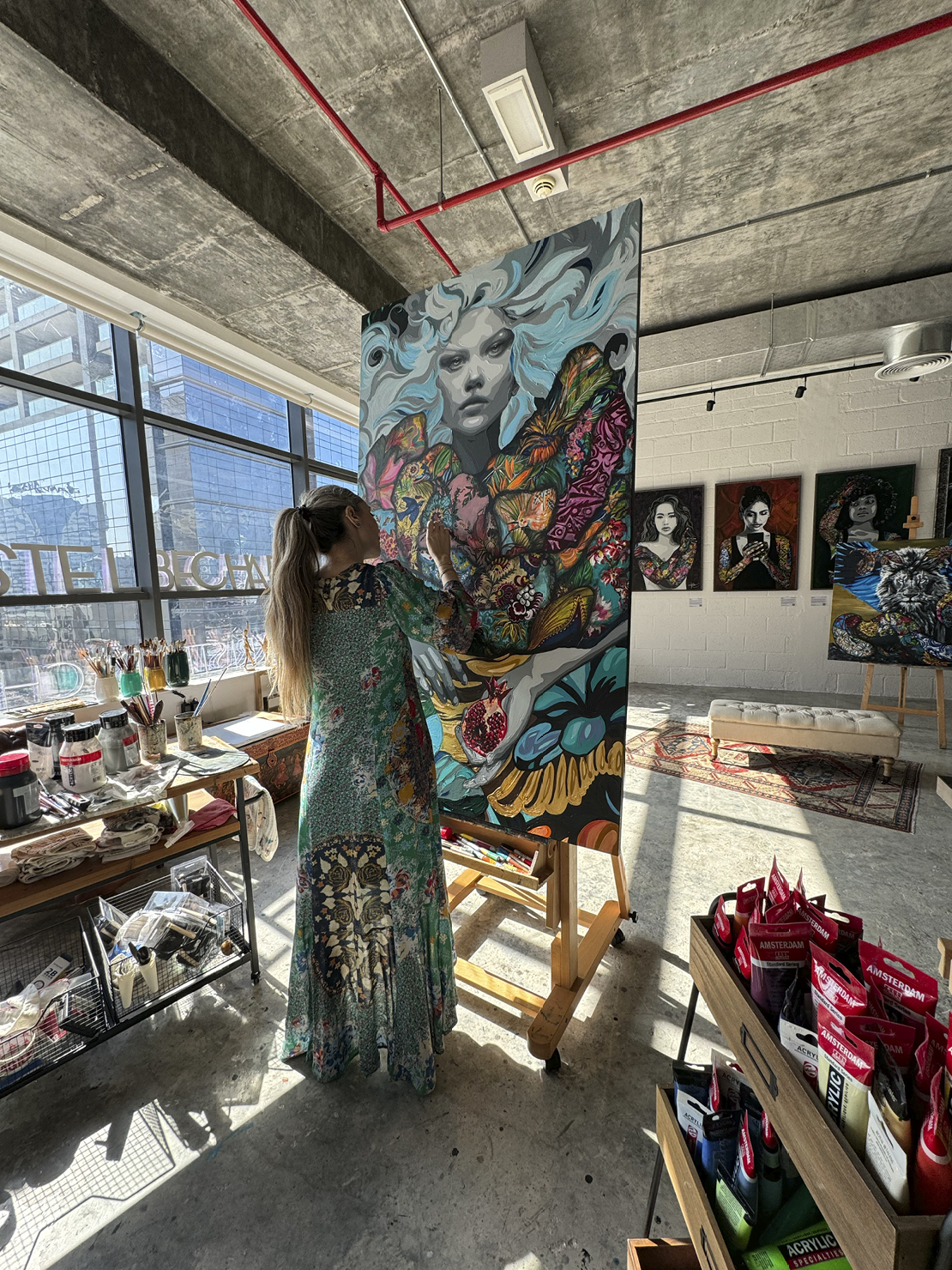
What kept me going was the refusal to settle for work that didn’t feel honest. I knew that if I couldn’t feel it deeply myself, no one else would either. So instead of walking away, I kept asking questions. I kept experimenting. I treated every dead end as information rather than failure.
The breakthrough came when I stopped trying to fit into something and started pulling together everything that was already part of me, my design background, my love of pattern and fabric, my painting, my emotions. When those elements came together, the work finally felt true. And when the work feels true, people feel it too.
How do you balance staying true to your original vision while adapting to what the market or your audience needs?
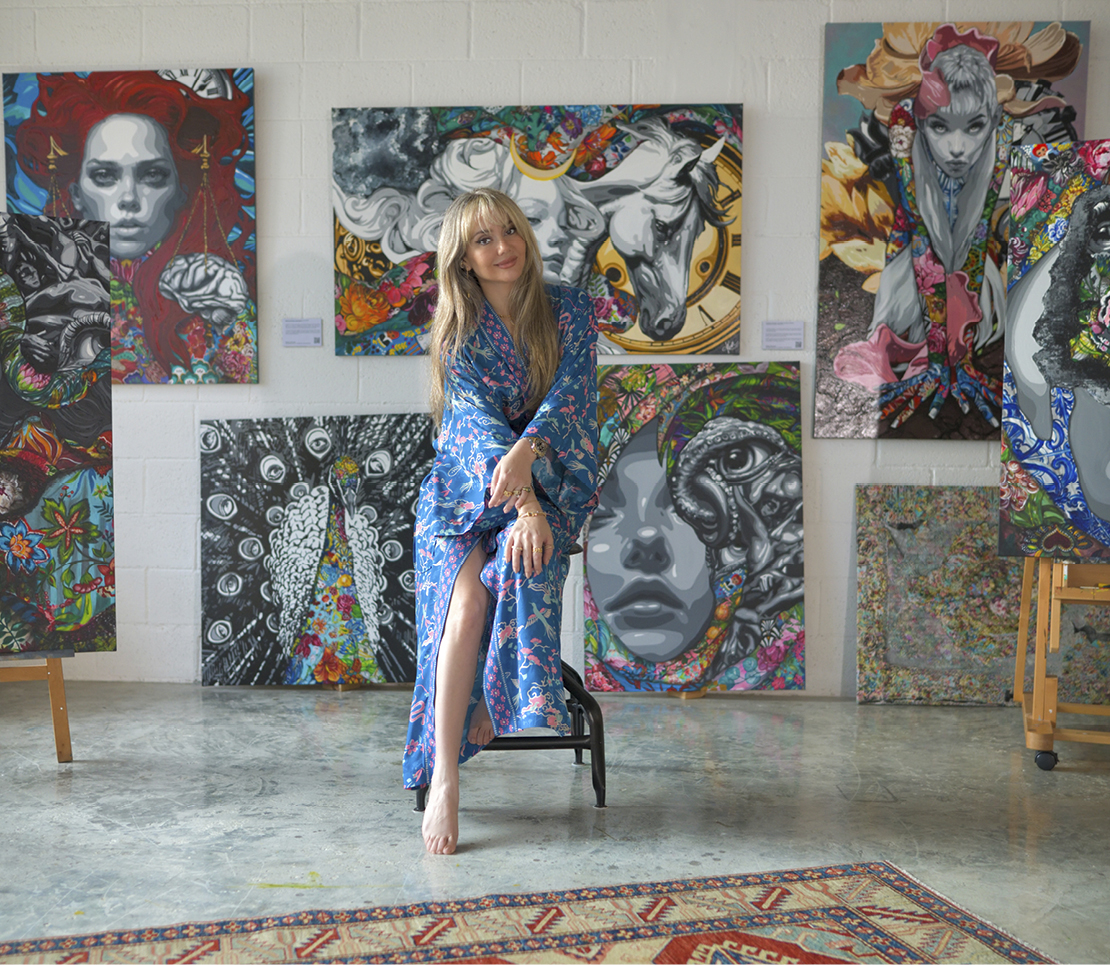
For me, this balance has never really been a source of tension because I made a decision early on that I would never compromise my signature style. Not for a commission, not for a trend, not for anyone. If a brief comes in that doesn’t align with my visual language and my values, I simply won’t take it. That boundary has never felt like a limitation. It has always felt like integrity. What I have learned over time is that staying true to your vision doesn’t mean being rigid. Within my style, there is actually a lot of range. I work across different scales, media, and price points, so there is something for collectors and spaces alike, without ever straying from who I am as an artist. That range means I can meet my audience where they are without meeting them halfway on the things that matter.
What does support for local and independent businesses actually look like in practice? What have you received, and what do you wish existed?
The support I have received has been genuinely meaningful. Dubai has invested in creating spaces and platforms for artists to develop and showcase their work, from studio access to media coverage and cultural events that put local artists in front of the right audiences. The Golden Visa has also been a significant gesture of recognition, giving creatives the stability and long-term security to build real careers here rather than treating this as a temporary base. That kind of infrastructure matters enormously, especially in the early stages when you are still finding your footing. I felt that support, and it made a real difference.
In terms of what I wish existed, I think the conversation is still evolving, and that is actually encouraging. There is growing recognition of the value independent artists bring to a city’s cultural identity, and I would love to see that translate into even deeper collaboration between the creative community and the wider business and institutional landscape. More opportunities for local artists to be visible on an international stage, more pathways for emerging talent to build sustainable careers, and a continued commitment to collecting and championing art that is made here. The foundation is strong. There is just always more we can build on it.
Who in your city or region is doing something you deeply respect, and why?
Rather than singling out one person, what I deeply respect is the collective ambition of what is being built here. The vision behind the Saadiyat Cultural District in Abu Dhabi, with the Louvre already open and the Guggenheim on the horizon, is genuinely extraordinary. The idea that this region is positioning itself as a world-class cultural destination is not just talk. You can see it taking shape in real time. The energy around Art Dubai and Frieze Abu Dhabi has created a platform that puts regional artists in conversation with the global art world in a way that simply didn’t exist here not long ago. That matters enormously for artists like me.
What I respect most is that this isn’t happening by accident. There is real intention behind it, a belief that art and culture are not accessories to a city’s identity but central to it. Being an artist here at this particular moment feels like very good timing, and I don’t take that for granted.
If you could change one structural thing to help entrepreneurs like you thrive, what would it be?
If I could change one thing, it would be creating a dedicated pathway for independent artists to participate directly in major art fairs. Right now, if you want to show at Art Dubai or Frieze Abu Dhabi, you need gallery representation. There is no route in for a solo artist, regardless of how established or recognised they are. That means independent artists either miss out entirely or enter through a gallery, giving up a significant commission in the process.
I understand why fairs are structured that way; galleries provide curation, credibility, and infrastructure. But the art world has changed. There are serious, professional, internationally recognised artists who operate independently by choice, and the system hasn’t fully caught up with that reality. A dedicated section at major fairs for vetted independent artists would level the playing field without compromising the event’s standards. It would also make these fairs more diverse, more interesting, and more representative of the creative landscape today.
What does success look like for you in the next three years, and how do you define it beyond revenue?
Success for me has always been defined by connection rather than metrics. In the next three years, I want to continue growing my collector base internationally, show in new cities, and create work that keeps pushing my own creative boundaries.
But when I zoom out and think about what I am truly building toward, I have a bigger goal that drives everything. I want 10,000 of my artworks to find their homes across the world over the course of my career. That number represents reach and meaning to me more than anything else.
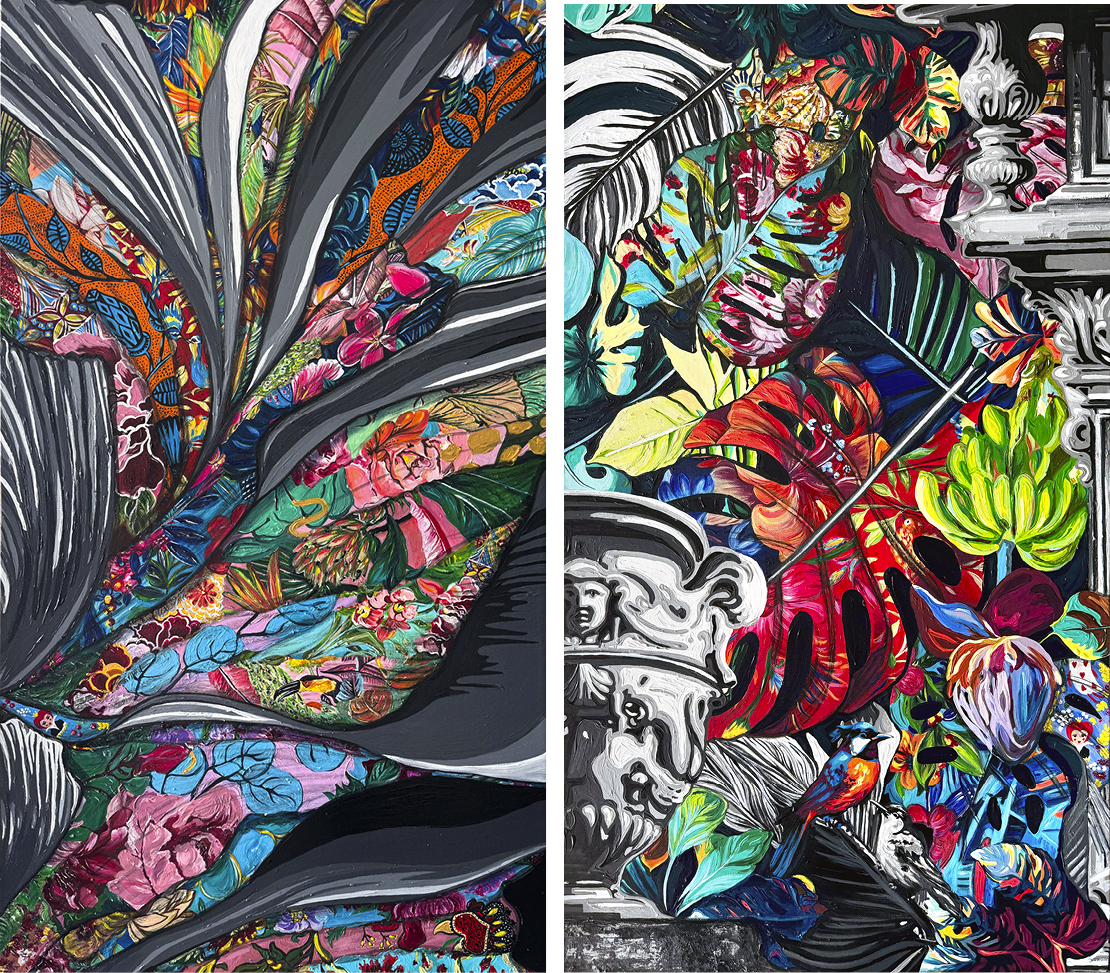
The most rewarding messages I receive are from collectors who tell me that guests stop in front of a piece and ask about it, or that they find themselves drawn to it differently depending on their mood. That kind of presence in someone’s life is what I am building toward. Revenue is a measure of sustainability, but that is what success actually looks like to me.
What would you say to someone sitting on a dream similar to yours, too afraid to start?
Start. That is the only advice that truly matters.
I know how heavy a dream can feel when it’s still just an idea. The fear of failure, of judgment, of not being good enough, can keep you frozen for years. But the truth is, failure is not the opposite of success. It is part of the process. Every artist, every entrepreneur, every creative who has built something real has a catalogue of moments where things didn’t work, where they had to pick themselves up and begin again.
What I would say is this: start before you feel ready, because that moment rarely comes on its own. Stay true to your voice, not what is trending, not what others expect of you. And when things go wrong, and they will, treat it as information rather than a verdict on your worth.
The dream doesn’t disappear because you stumbled. It waits for you to get back up. So get back up, learn what that moment had to teach you, and keep going. The only version of this story where you definitely don’t make it is the one where you never begin.
By Lea Nouhra
[ad_2]
Source link