[ad_1]
Launched in 2014, PhotoSparks is a weekly feature from YourStory, with photographs that celebrate the spirit of creativity and innovation. In the earlier 980 posts, we featured an art festival, cartoon gallery. world music festival, telecom expo, millets fair, climate change expo, wildlife conference, startup festival, Diwali rangoli, and jazz festival.
The India Habitat Centre (IHC) in New Delhi occupies a prominent position in India’s cultural and institutional landscape. Situated on Lodhi Road near the capital’s diplomatic and cultural district, the complex is a carefully conceived urban space where architecture, civic dialogue, environmental thought, and the arts intersect.
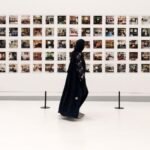
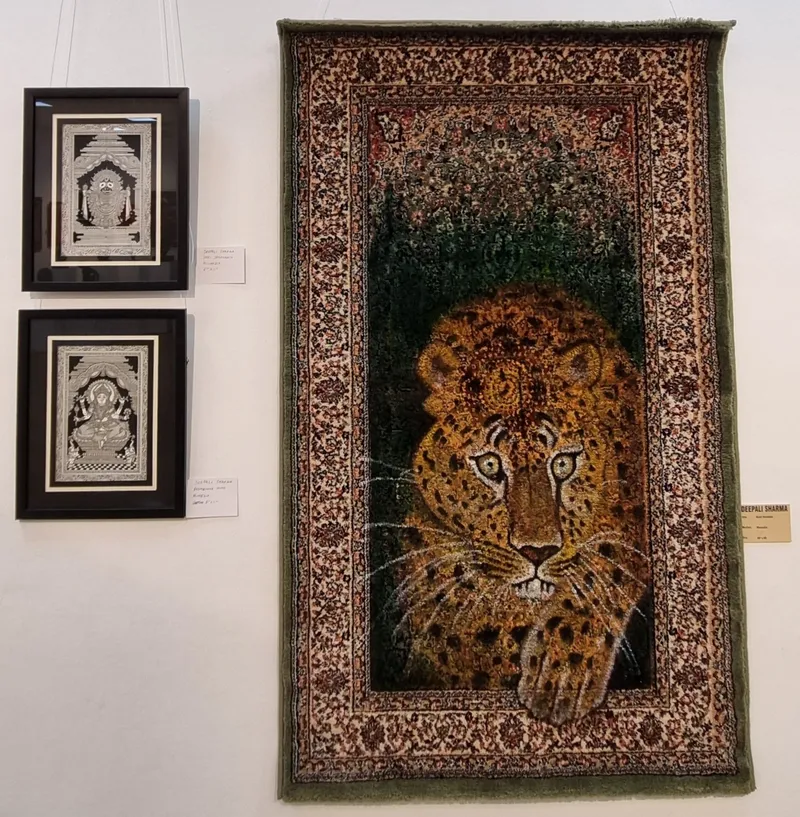
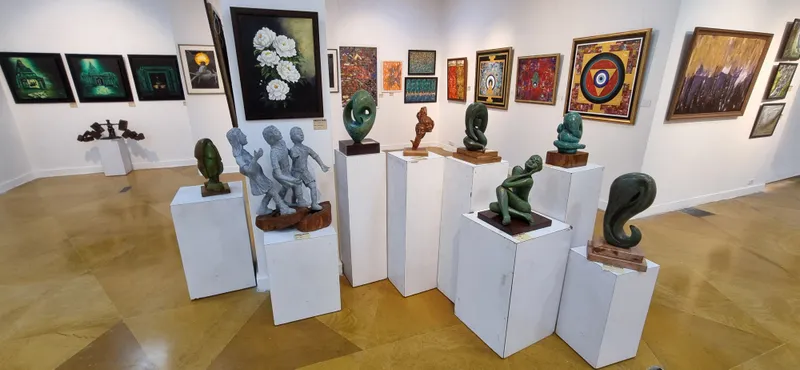
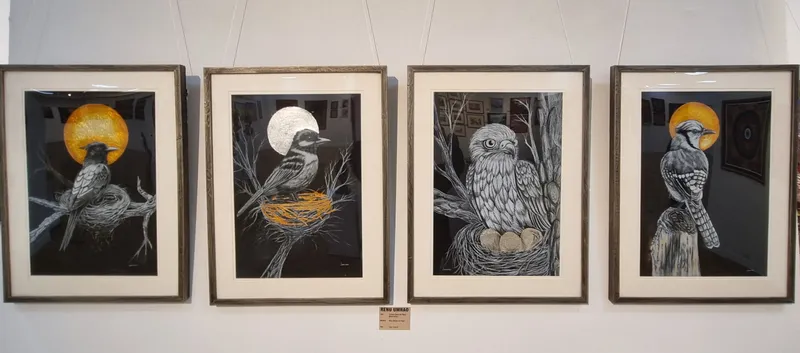
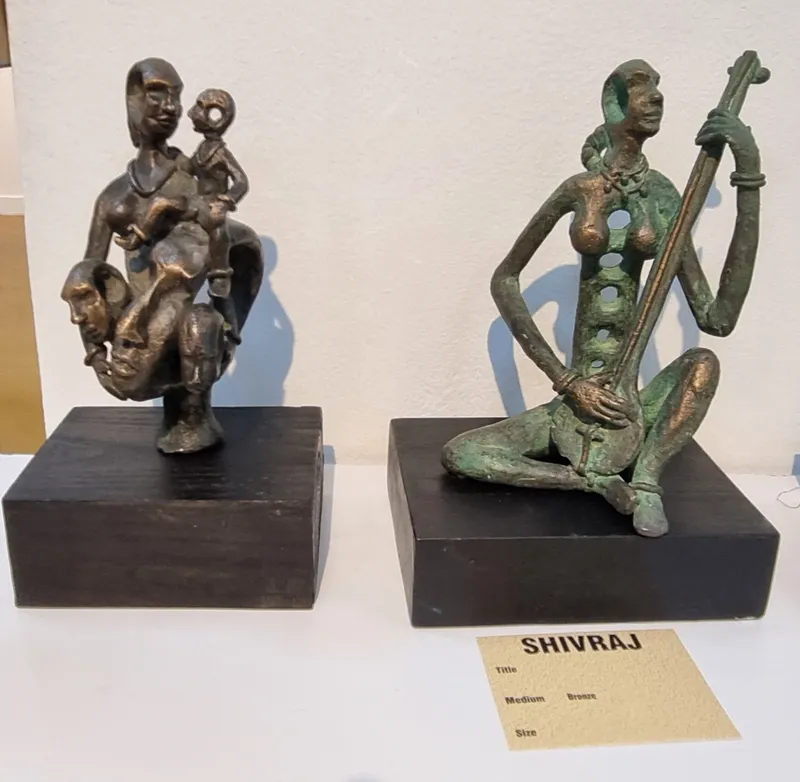
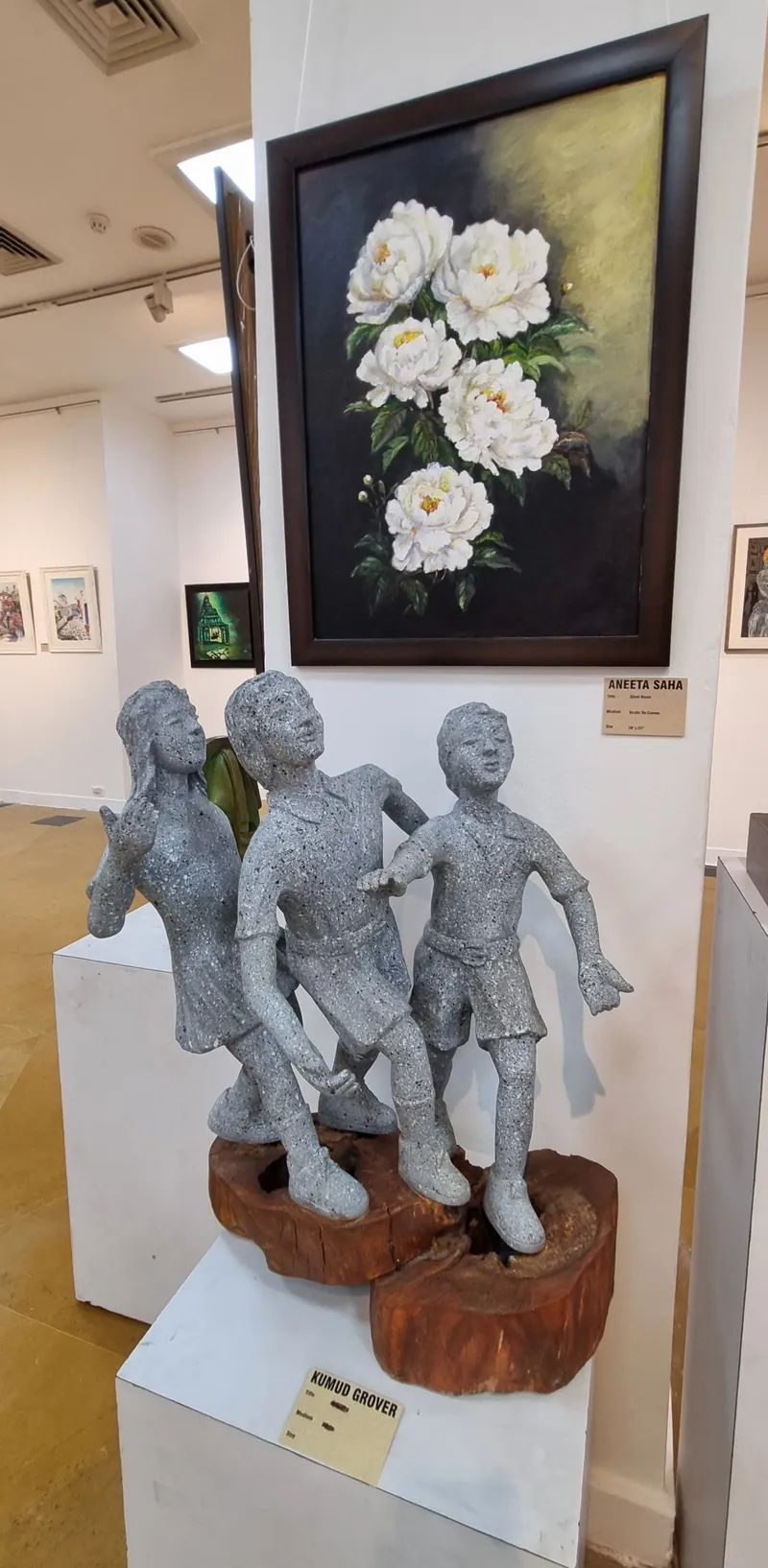
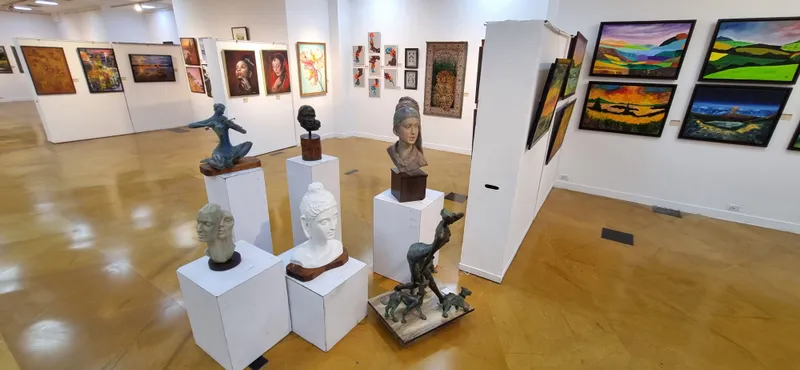
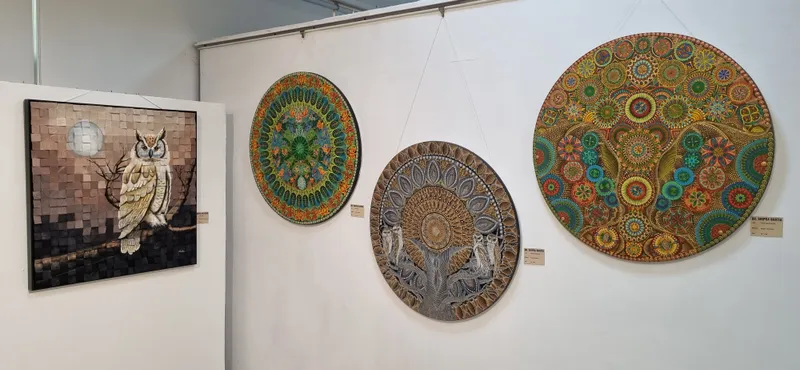
IHC recently featured the artworks of 36 artists in a group exhibition titled Master Strokes 2026. The five-day exhibition was curated by Kishore Labar, who has already put together seven earlier exhibitions under this concept. See our coverage of earlier exhibitions at this popular cultural hub from the last ten years here.
Participating artists in Labar’s exhibition included Anamika Rastogi, Ambika K V, Aneeta Saha, Pranav Kumar Saha, Ayesha Lumba, Bishwaranjan Sinha, Charul Aggarwal, Deeksha Bajaj, Dr Shipra Bhatia, Dr Surabhi Mohanty, and Deepali Sharma.
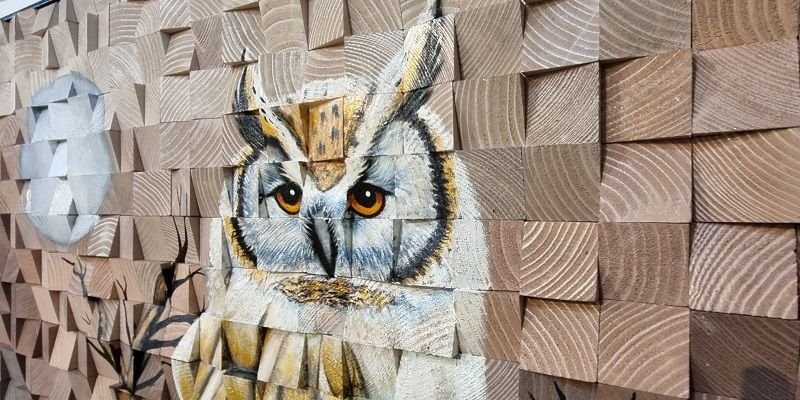
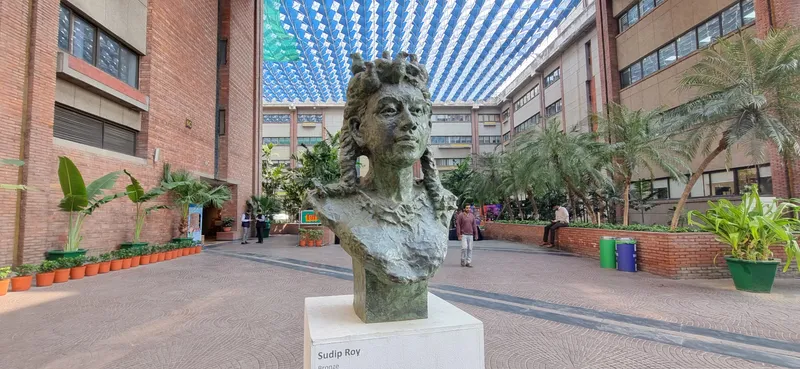
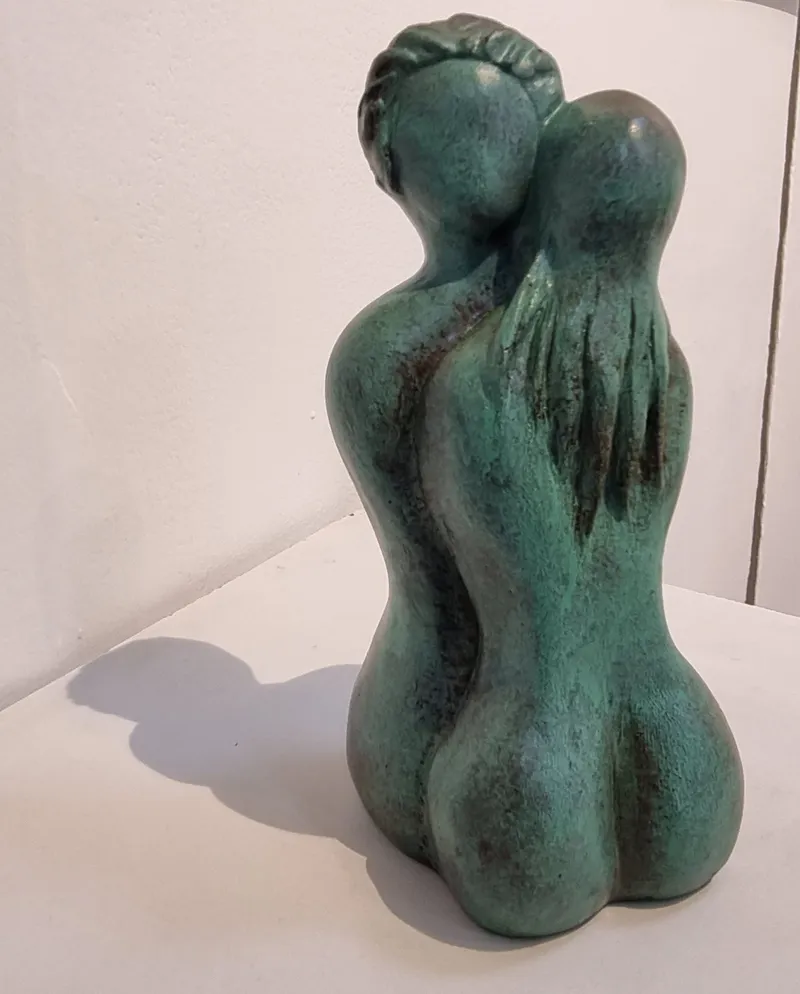
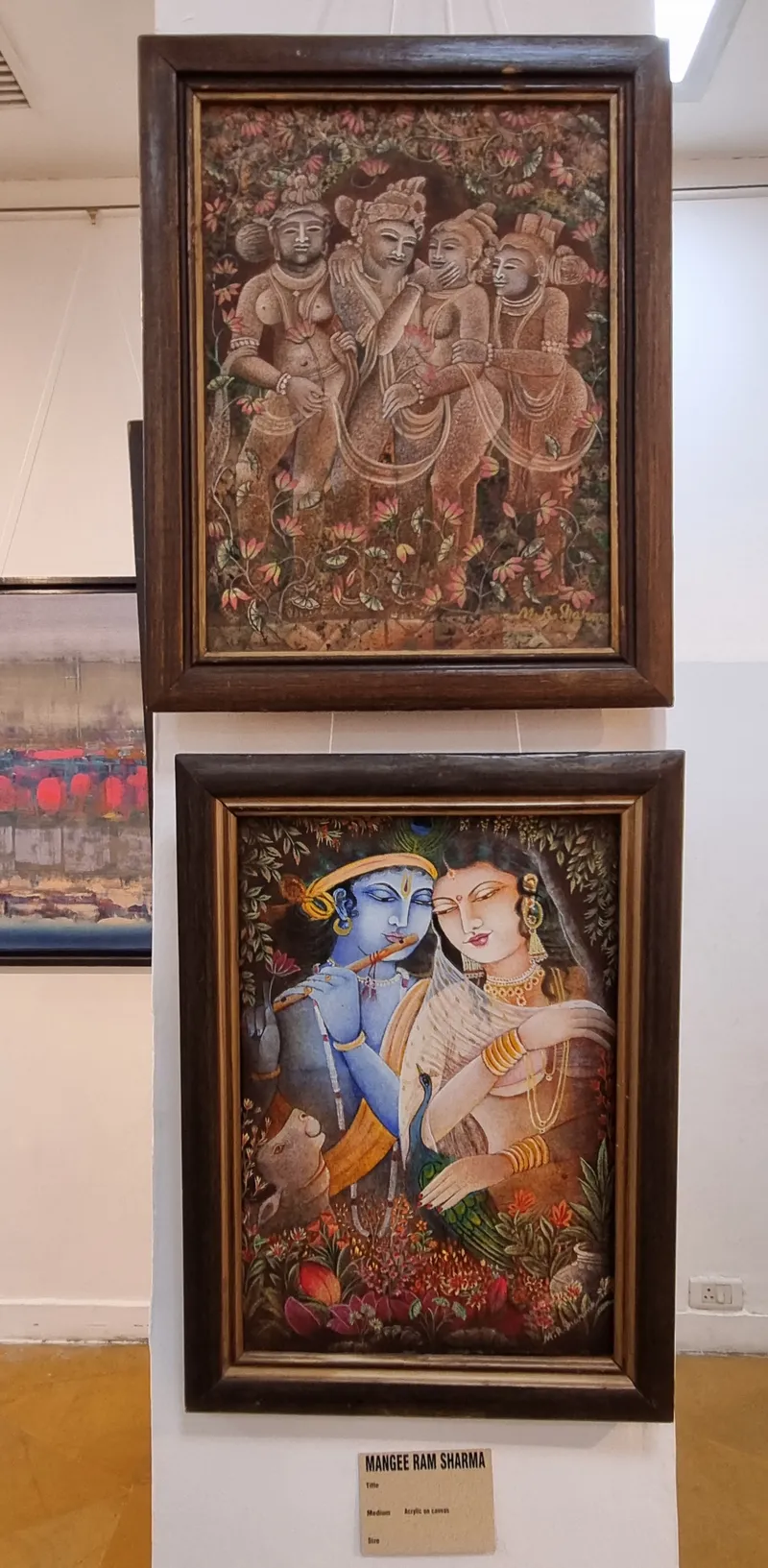
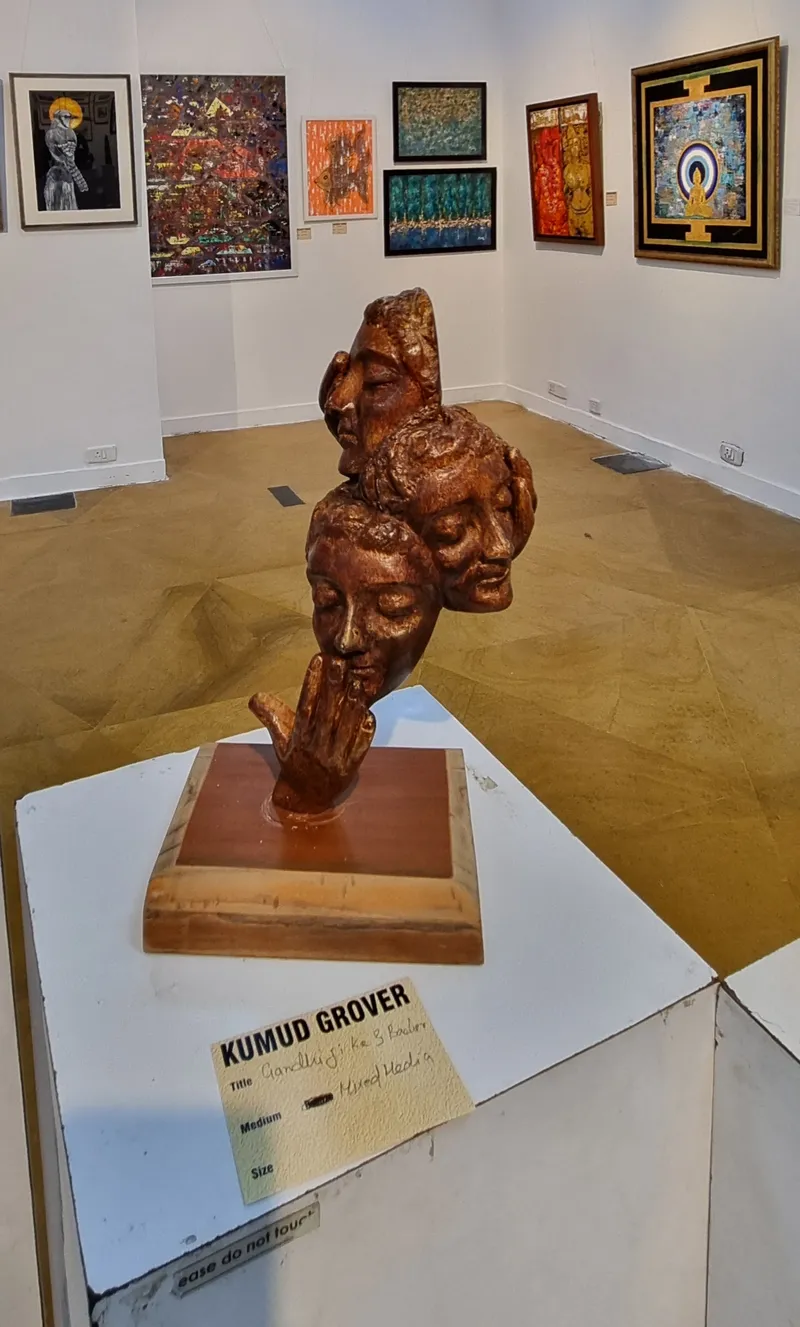
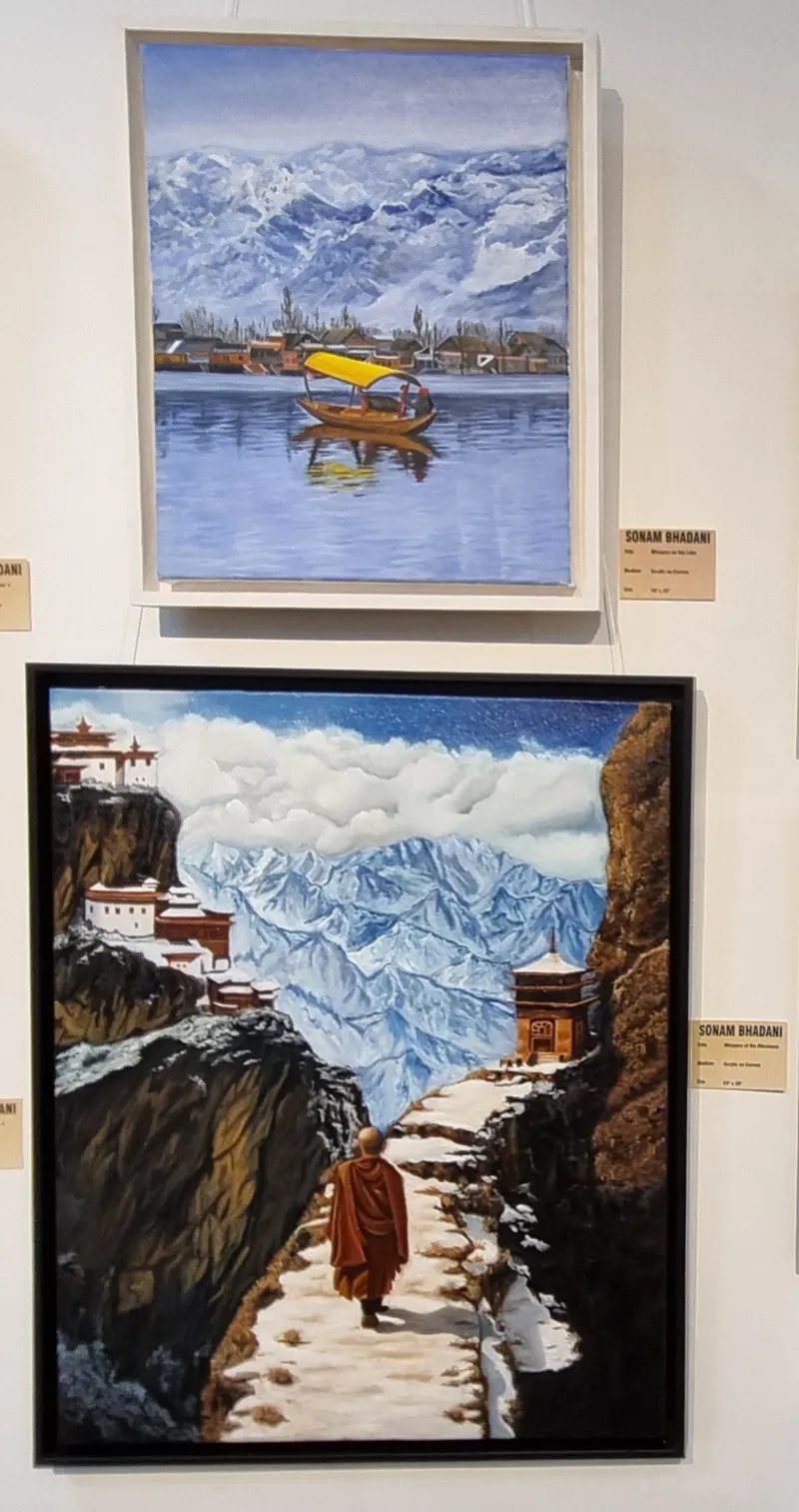
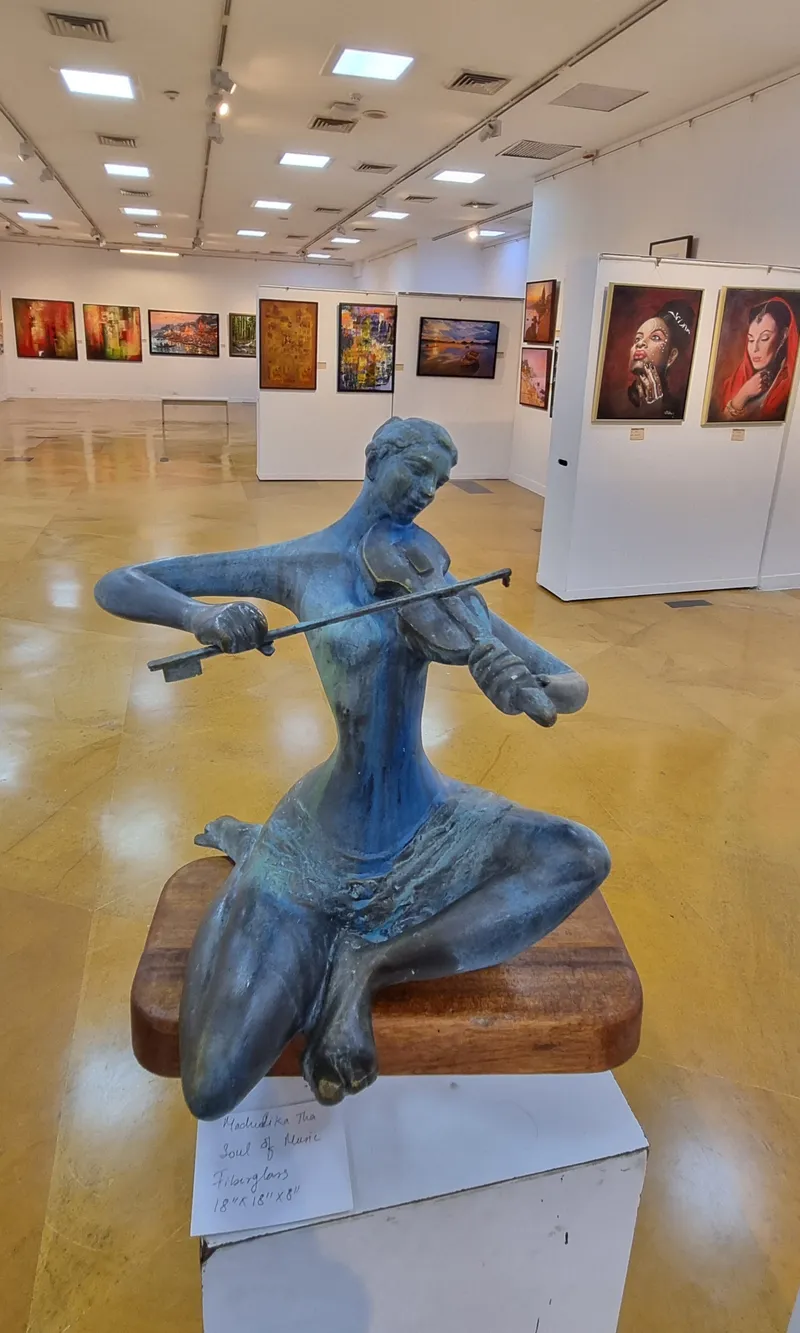
As shown in this photo essay, the artists represent a diverse range of styles, media, themes, and genres. The indoor exhibitions at IHC dovetail beautifully with the outdoor installations at this picturesque venue.
Since its establishment in the early 1990s, IHC has evolved into an active venue for exhibitions, performances, lectures, film screenings, and multidisciplinary artistic exchange. It was conceived by the Housing and Urban Development Corporation (HUDCO), and shaped by American architect Joseph Allen Stein.
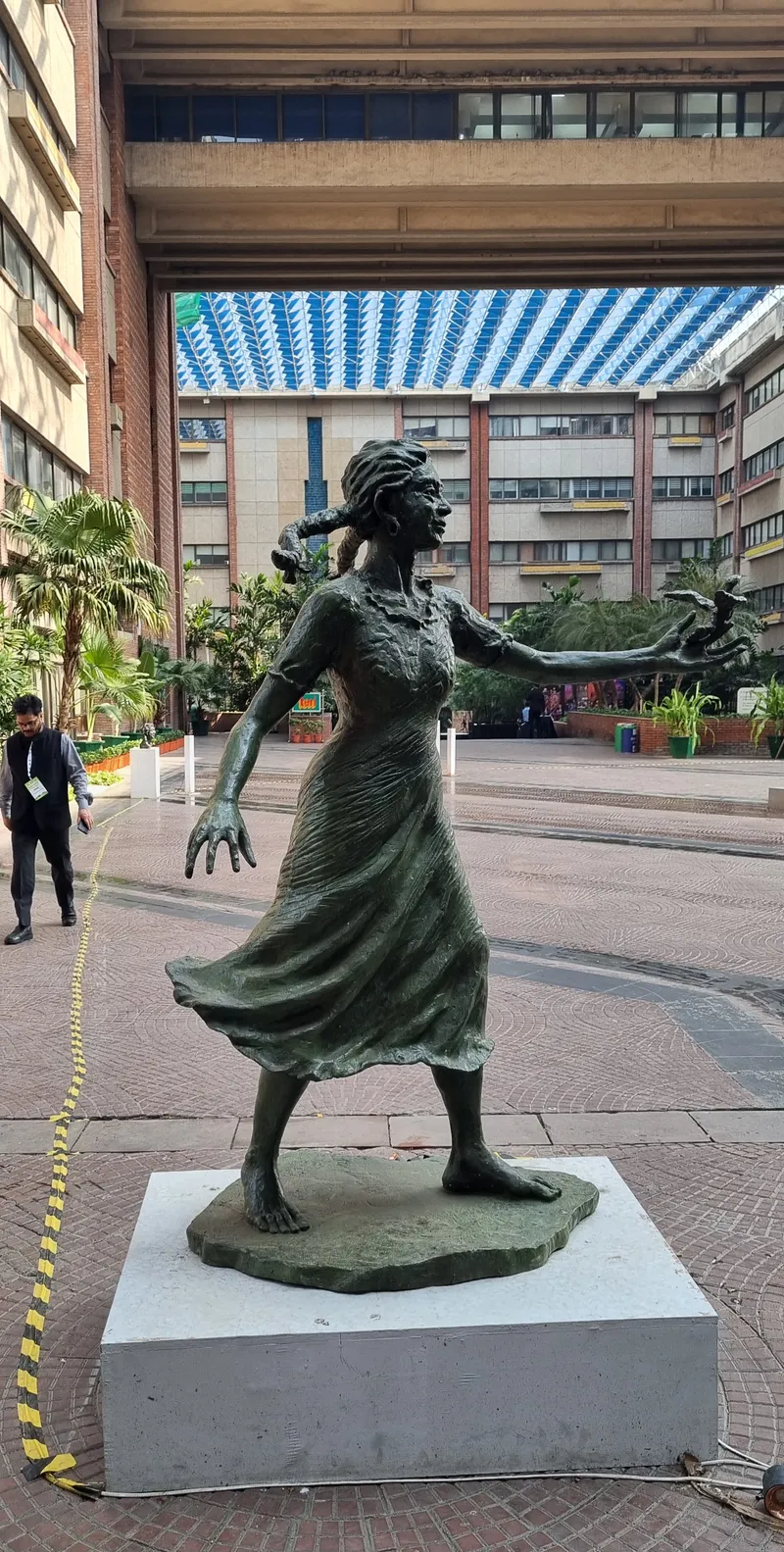
Stein is also the designer of other important institutional buildings such as the India International Centre and Triveni Kala Sangam. IHC is not just a modern office complex but an integration of public life, ecological sensitivity, and cultural participation into a single architectural framework.
The expansive space includes interconnected blocks linked by elevated walkways, internal courtyards, gardens, shaded corridors, and open gathering spaces. The architectural language combines modernist principles with traditional Indian climatic responses.
Its sandstone facades, shaded passageways, water features, and landscaped courts reduce heat while encouraging movement and interaction. Its auditoriums, libraries, restaurants, amphitheatres, learning centres, exhibition galleries, and public plazas constitute a vibrant hub for intellectual, social and cultural functions.
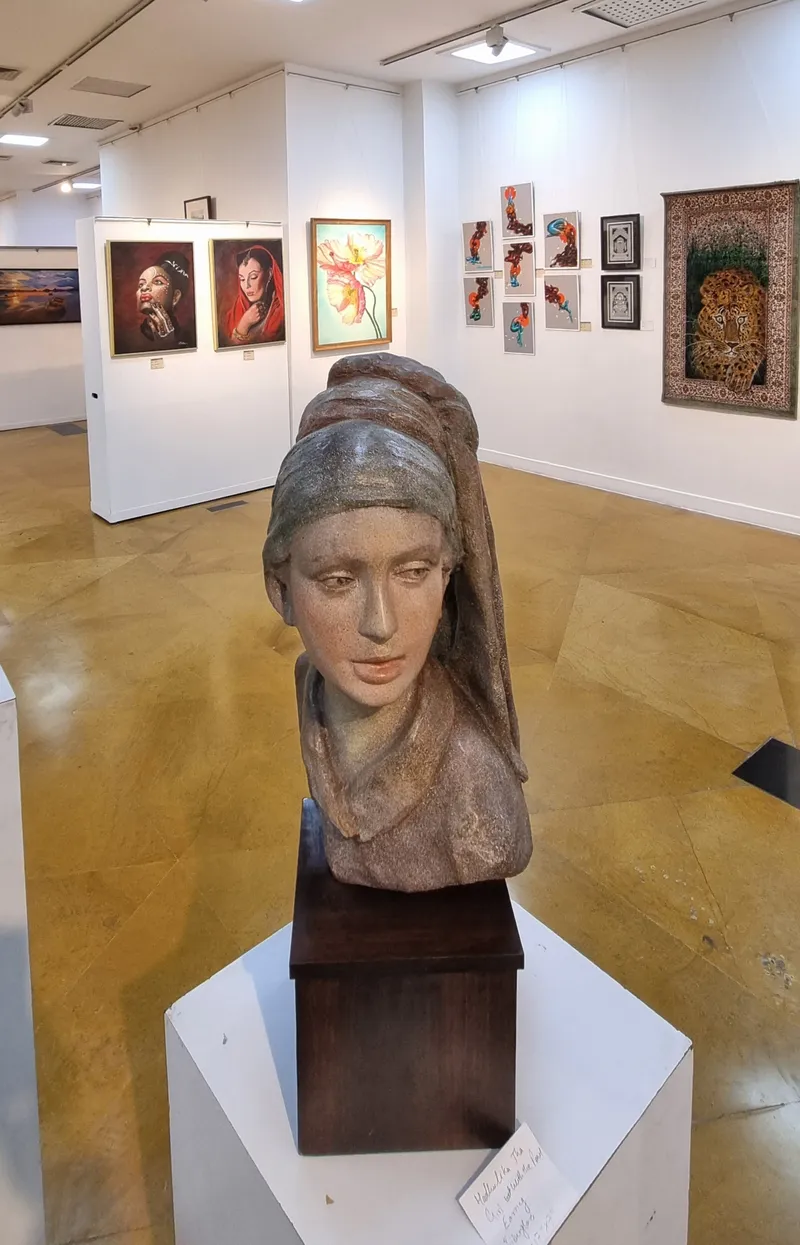

IHC regularly hosts classical music concerts, theatre, literary discussions, cinema festivals, photography events, and visual arts exhibitions. Public engagement has become a defining principle: many events are either free or open to broad audiences, helping cultivate an inclusive urban arts culture.
The Visual Arts Gallery, established in 2000, has become particularly influential in shaping IHC’s artistic profile. As show in this photo essay, it supports both traditional and contemporary artistic practices, and creates a dialogue between ‘high art’ and popular or indigenous traditions.
Unlike commercial galleries primarily focused on sales, IHC’s exhibition spaces emphasise accessibility and experimentation. Artists at varying stages of their careers—emerging, mid-career, and established—have used the venue to present paintings, sculpture, photography, installations, mixed-media works, and interdisciplinary projects.
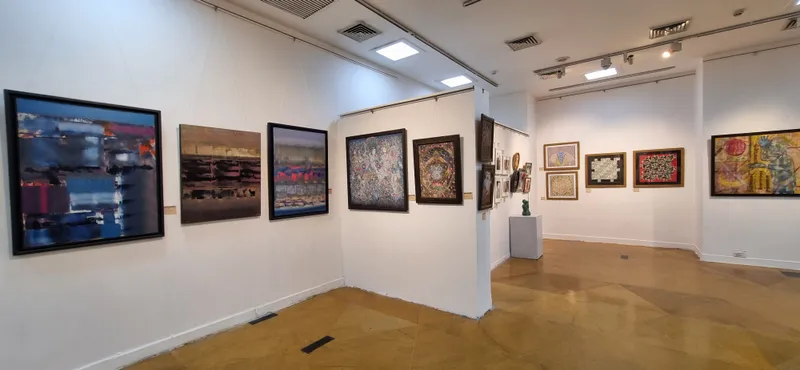
Contemporary art exhibitions form a significant part of IHC’s programming. The gallery routinely showcases group exhibitions and solo retrospectives addressing urban life, memory, identity, conflict, ecology, and emotional experience.
IHC’s galleries support experimentation across mediums, allowing artists to integrate video, digital projection, sound, and spatial interventions into exhibitions. This openness has enabled IHC to function as a platform for evolving contemporary Indian artistic practices.
Its exhibitions have reinforced sustained engagement with indigenous and folk traditions such as Adivasi visual cultures, Baiga artistic forms, and Gond folk art. The gallery frequently positions indigenous art within contemporary discourse rather than treating it solely as ethnographic heritage.
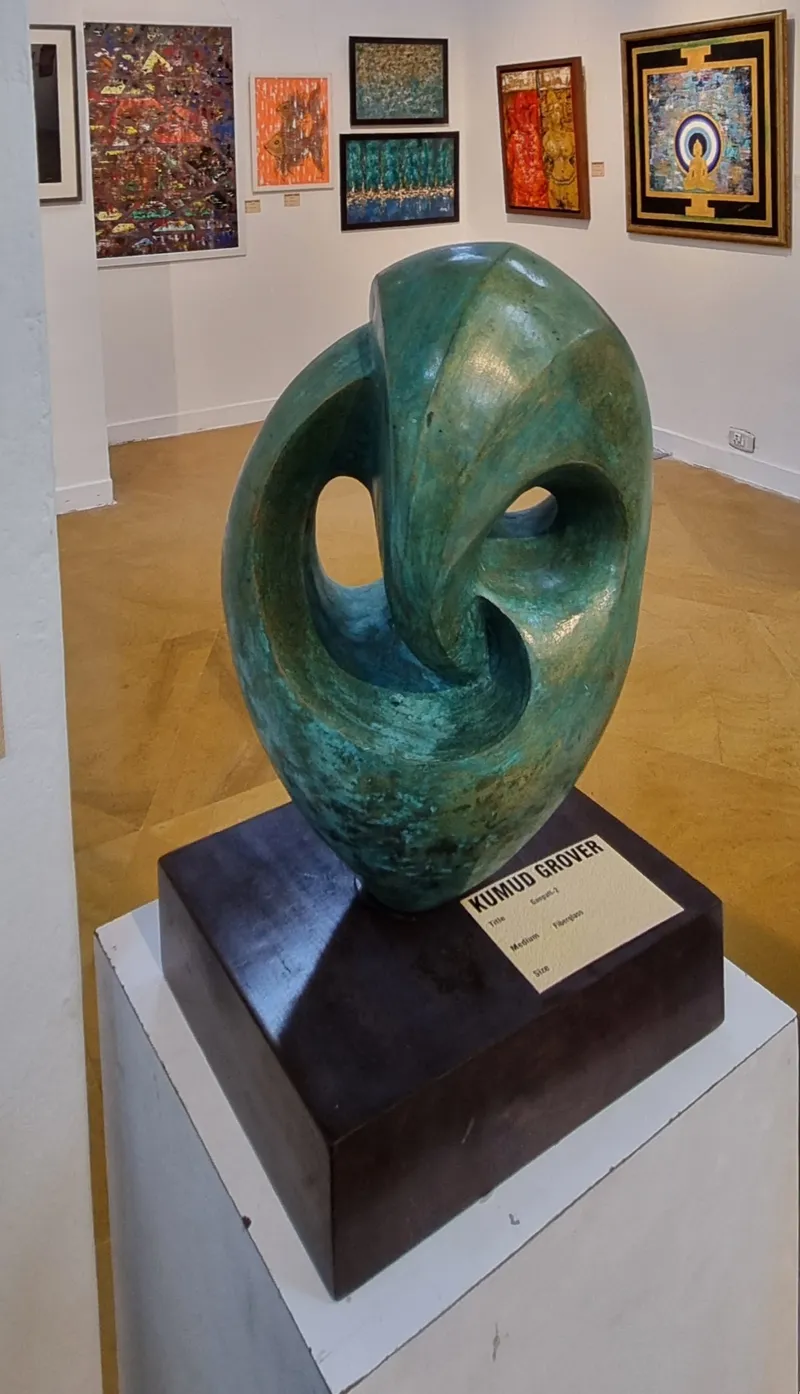
Photography exhibitions at IHC have featured themes such as migration, urban transformation, climate, identity, and memory. Its open courts and transitional spaces have proven particularly suited to large-scale photographic installations and sculpture exhibitions.
The art showcases often integrate environmental awareness, social reflection, literature, music, and performance into visual art. This interdisciplinary spirit reflects IHC’s original institutional mission: connecting environmental, social and cultural thought within a shared civic space.
In sum, over more than three decades, IHC has become far more than a conference venue or institutional complex. It stands today as a key public cultural space in India’s capital.
IHC is truly a rare environment where architecture, ecology, intellectual life, and artistic experimentation coexist organically. Its lasting significance lies in how successfully it opened itself to public culture.
By hosting diverse, integrated and hybrid exhibitions, IHC has helped shape Delhi’s cultural ecology in enduring ways. It also opens the door to other cities to celebrate cultural space in their own distinct ways.
Now what have you done today to pause in your busy schedule and harness your creative side for a better world?
(All photographs taken by Madanmohan Rao on location at India Habitat Centre.)
[ad_2]
Source link