[ad_1]
U.S. frontier myths still colour Yukon’s image as tourism season begins
Published 3:00 pm Tuesday, May 12, 2026
As the Yukon heads into another tourism season, a local scholar says visitors still arrive with American Klondike myths that shape perceptions of the territory and frame current debates over land, mining, and identity.
The tension is detailed in an article published in the Canadian Art Review by Yukon University associate professor Drew Lyness, who examines how outside narratives continue to shape the territory’s image.
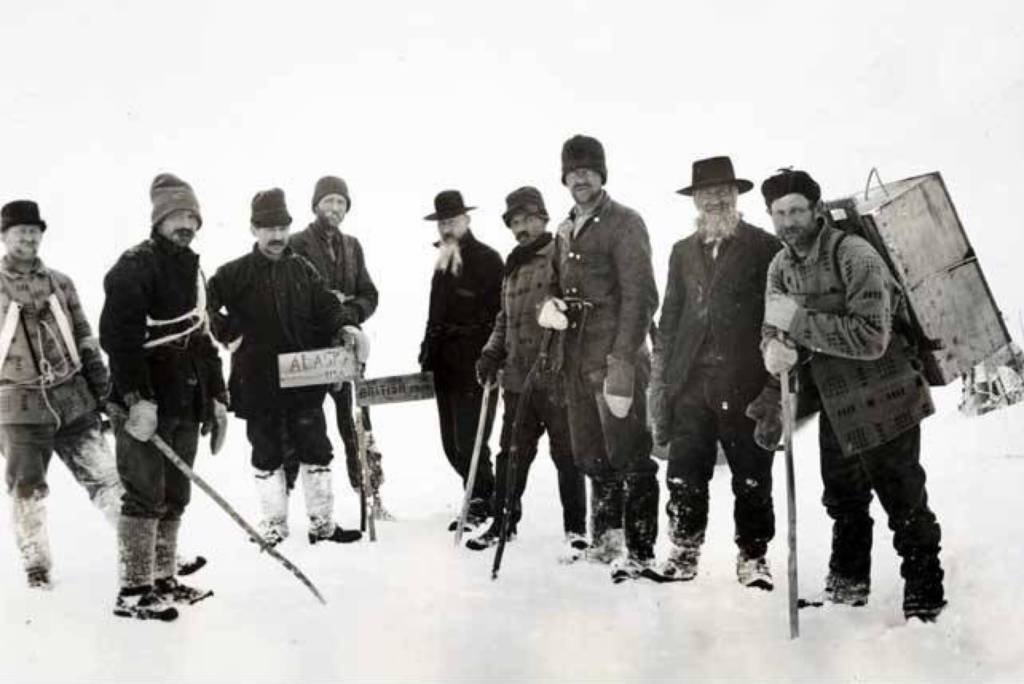
Lyness said in an interview that the Klondike has been folded into American frontier mythology for more than a century, often blurring the border with Alaska and overshadowing Yukon First Nations.
“This isn’t really an article about the Yukon at all,” Lyness said
“This is an article about the fantasy of the Yukon.”
His essay traces how novels, films, and reality television have built a ghostlike illusion repeated so often it becomes difficult to separate representation from reality. He pointed to Jack London, who spent less than a year in the Yukon but became a defining voice of the Klondike in American culture.
Lyness said those portrayals tend to cast the North as empty, hostile and available for extraction.
“When you have this geographic region that is largely represented as empty despite the many Indigenous populations that have lived here for thousands of years, it’s sort of primed culturally for exploration and for extraction,” he said.
That narrative still shapes expectations in Dawson City, where Parks Canada manages more than 100 heritage structures. Lyness said many visitors arrive expecting a frontier boomtown, even though Yukon historians have noted Dawson was defined more by law and order than chaos during the 1898 rush.
He pointed to the role of the North-West Mounted Police and figures like Sam Steele, whose enforcement of firearm bans and Sabbath observance contrasted sharply with the frontier wild west tropes common in American media.
His article also highlights how far present-day American portrayals travel.
One example he examines is a Yukon‑themed section at an amusement park in Illinois, where faux Klondike buildings, log flumes, and Yukon signage package the North for crowds of visitors. In the essay, Lyness says those theme‑park images boil the Yukon down to a few familiar props such as snowy peaks, canvas tents, and frontier kitsch, standing in for a place that’s far more complex.
The gap between myth and reality is also visible in current policy debates.
Lyness said discussions around free‑entry staking, mining royalties, and land‑use planning are front‑of‑mind as the territory’s population grows and its identity shifts.
“When the population of a place increases, the identity of the place also changes,” he said.
He added that the cultural confusion around the Klondike, sometimes portrayed as quasi‑Alaskan, matters at a time when northern sovereignty is drawing renewed geopolitical attention.
“Security starts with a strong civic society and a strong sense of who you are,” he said.
Artists across the territory are responding to those tensions.
Lyness said Yukon First Nations artists in particular are excavating what’s beneath the surface of Klondike mythology and opening space for more grounded stories about land, governance, and community.
Champagne and Aishihik Citizen and Tahltan comic artist Cole Pauls said during a 2025 Dawson presentation that he aims to create an authentic representation of Yukon First Nations in media and challenge stereotypes embedded in earlier depictions. His graphic novels, including Dakwäkada Warriors, remix Indigenous language, Yukon culture and sci‑fi tropes.
Lyness also pointed to the work of Little Salmon Carmacks artist Lianne Charlie, whose installations and public art interrogate colonial narratives and the visual symbols of extraction.
Parks Canada is revisiting its own narratives in Dawson City, particularly through its joint work with Tr’ondëk Hwëch’in on the region’s UNESCO World Heritage designation. Lyness said the shift reflects broader conversations about heritage, tourism, and the responsibilities of self‑governing Yukon First Nations.
Contact Jake Howarth at jake.howarth@yukon-news.com
[ad_2]
Source link