[ad_1]
Scientists suggest creative hobbies like painting, dancing and museum visits may support healthier ageing by improving emotional wellbeing, social connection and cognitive engagement later in life.

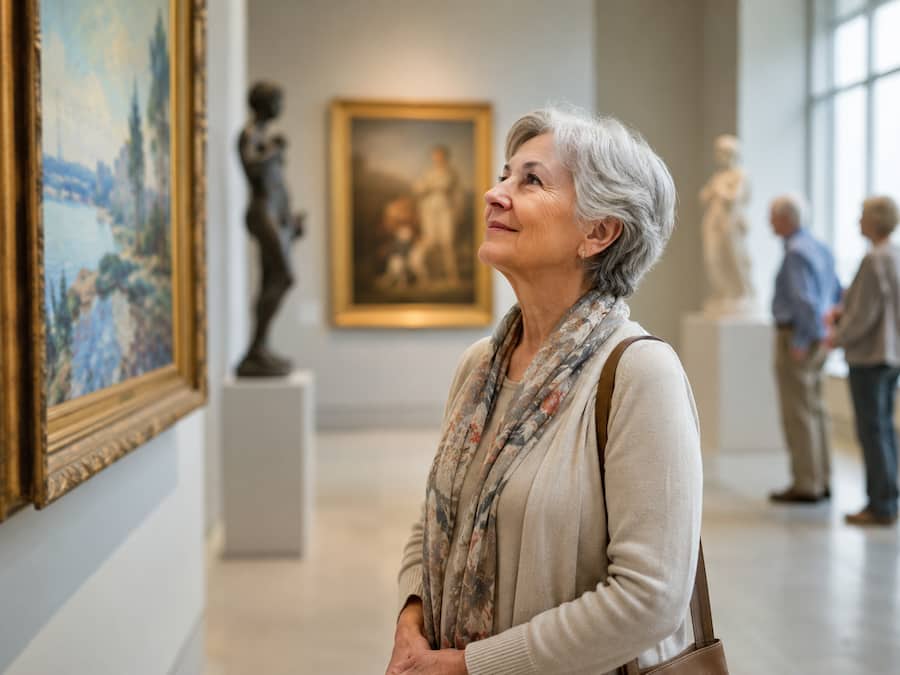
Museum visits. (Image: AI Generated)
While a trip to the museum may have been an inspiration for creativity it also has the potential to stop you from ageing quickly. A recent study in the UK has proposed that participation in arts and culture may have a positive impact on biological ageing as much as vigorous exercise.
The study published now in Innovation in Aging led by University College London (UCL) found that individuals who regularly engaged in some form of artistic or cultural activity such as going to museums, exhibitions, singing, dancing or painting may actually slow down ageing on a biological level.
Museum visits can help slow down ageing
The results come years after doctors in Canada started ‘prescribing’ patients to visit museums as part of a wellness project aimed at boosting their mental and physical health. The latest research now provides scientific evidence that art may really lead to healthier ageing.
“Our study provides the first evidence that arts and cultural engagement is linked to a slower pace of biological ageing,” says senior author and epidemiologist Feifei Bu from UCL. “This builds on a growing body of evidence about the health impact of the arts, with arts activities being shown to reduce stress, lower inflammation and improve cardiovascular disease risk just as exercise is known to do.”
3,500 adults in the UK were examined
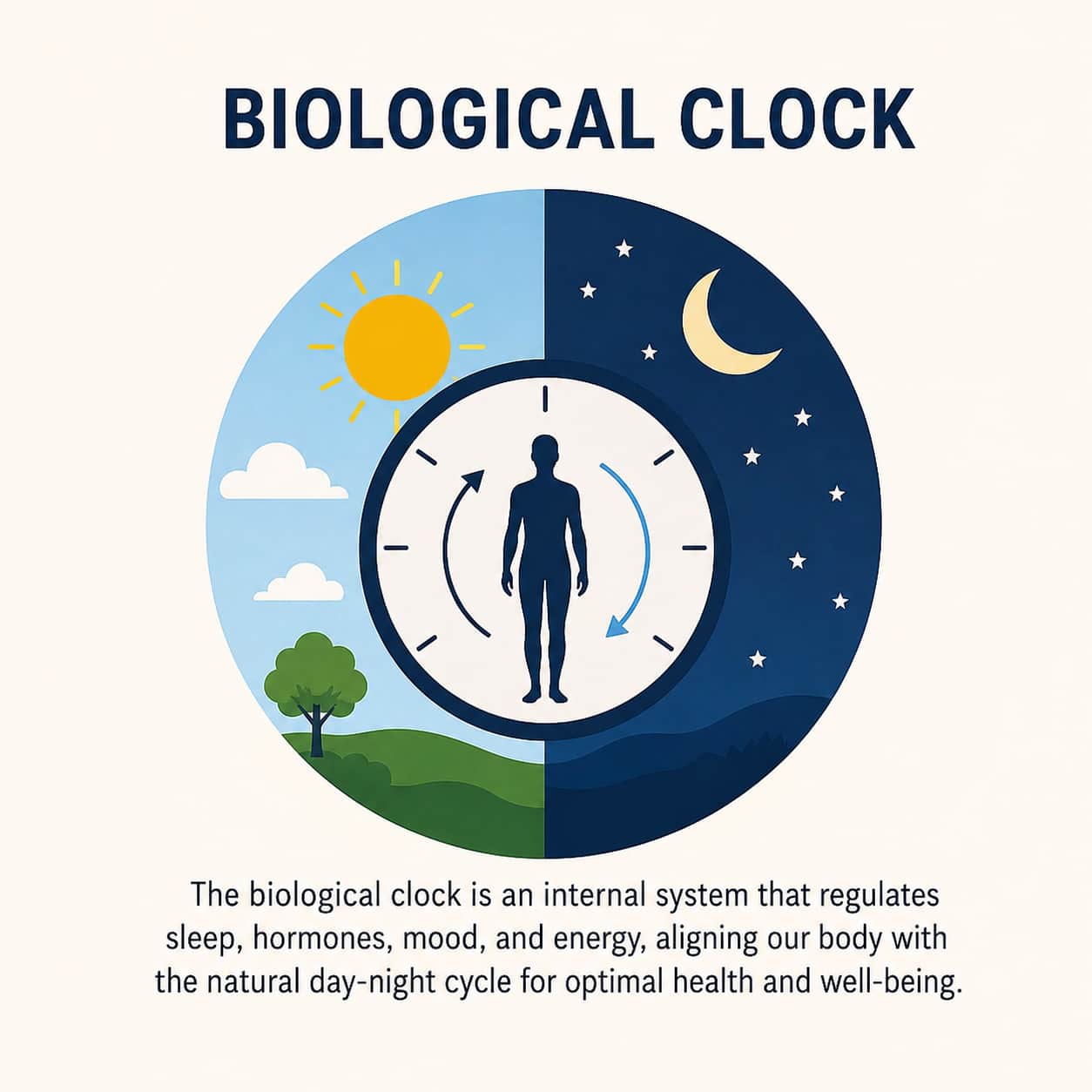
For this study, researchers analysed the health data of over 3,500 adults in the UK. Scientists analyzed various ‘epigenetic clocks’ scientific tools for predicting biological age at the cellular level based on changes in gene expression from lifestyle and health factors. Participants who engaged in arts and cultural activities showed slower ageing as compared to those who rarely involved themselves with such activities.
The researchers also looked at one of their epigenetic clocks called DunedinPACE and found that people who engaged in arts on a weekly basis aged 4 per cent more slowly. The findings also discovered that even sporadic engagement provided advantages. Compared with people who never participated in artistic activities, those who participated three or more times a year had an ageing pace that was 2 per cent slower than those who participated once a month had an ageing pace that was 3 per cent slower.
One of the senescence models used in the research is PhenoAge which compares a person’s chronological age to how old their physiology indicates they would be. According to this measure at least weekly arts or cultural participation made people appear to be on average one year younger biologically when compared with those who rarely participated.
Can art positively affect health?
Daisy Fancourt, lead author and epidemiologist of the study who has been investigating the health benefits of art at UCL for almost a decade said, “These results demonstrate the health impact of the arts at a biological level. They provide evidence for arts and cultural engagement to be recognized as a health-promoting behaviour in a similar way to exercise.”
The most significant effects were seen among middle-aged in which the researchers noted that individuals who participated in more diverse cultural experiences tended to show markers of healthy ageing. Some experts believe there are various ways that the arts can positively affect health. This means that activities such as painting, dancing or visiting a museum can stimulate the brain, reduce stress, enhance socialisation and increased emotional health. Other research has also suggested that arts engagement is correlated with lower levels of inflammation and better cardiovascular health.
Disclaimer: This article is for informational purposes only and does not replace professional medical advice, diagnosis or treatment related to ageing, mental health or cognitive wellbeing.
Add The Health Site as a Preferred Source

[ad_2]
Source link